AMD vs Intel Desktop CPU 2025: The Best Processor at Every Price Point This July
July 10, 2025
OP-1 Field Firmware 2025: Amp Synth Engine, 10-Channel USB Audio, and a Hidden Easter Egg
July 11, 2025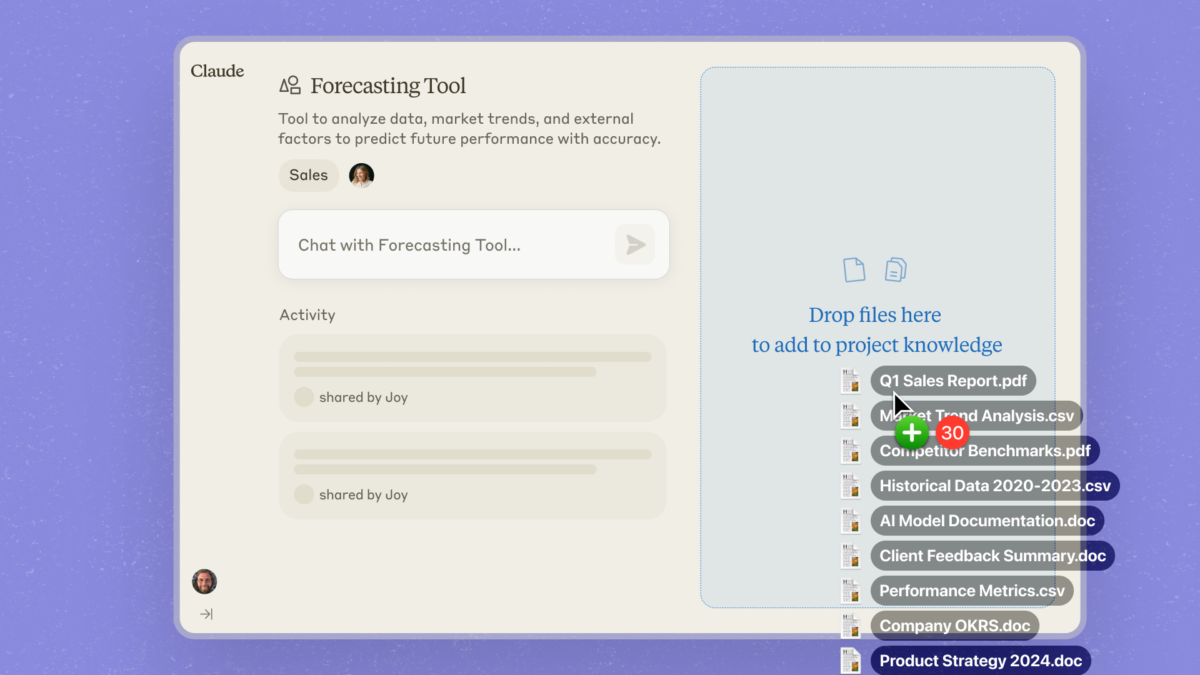
Ten months ago, your security team would have laughed you out of the room for suggesting an AI chatbot in production workflows. Now, with Claude Enterprise SOC 2 Type II certification in hand and a feature set that reads like an IT admin’s wish list, Anthropic has quietly removed every excuse your compliance officer could throw at you.
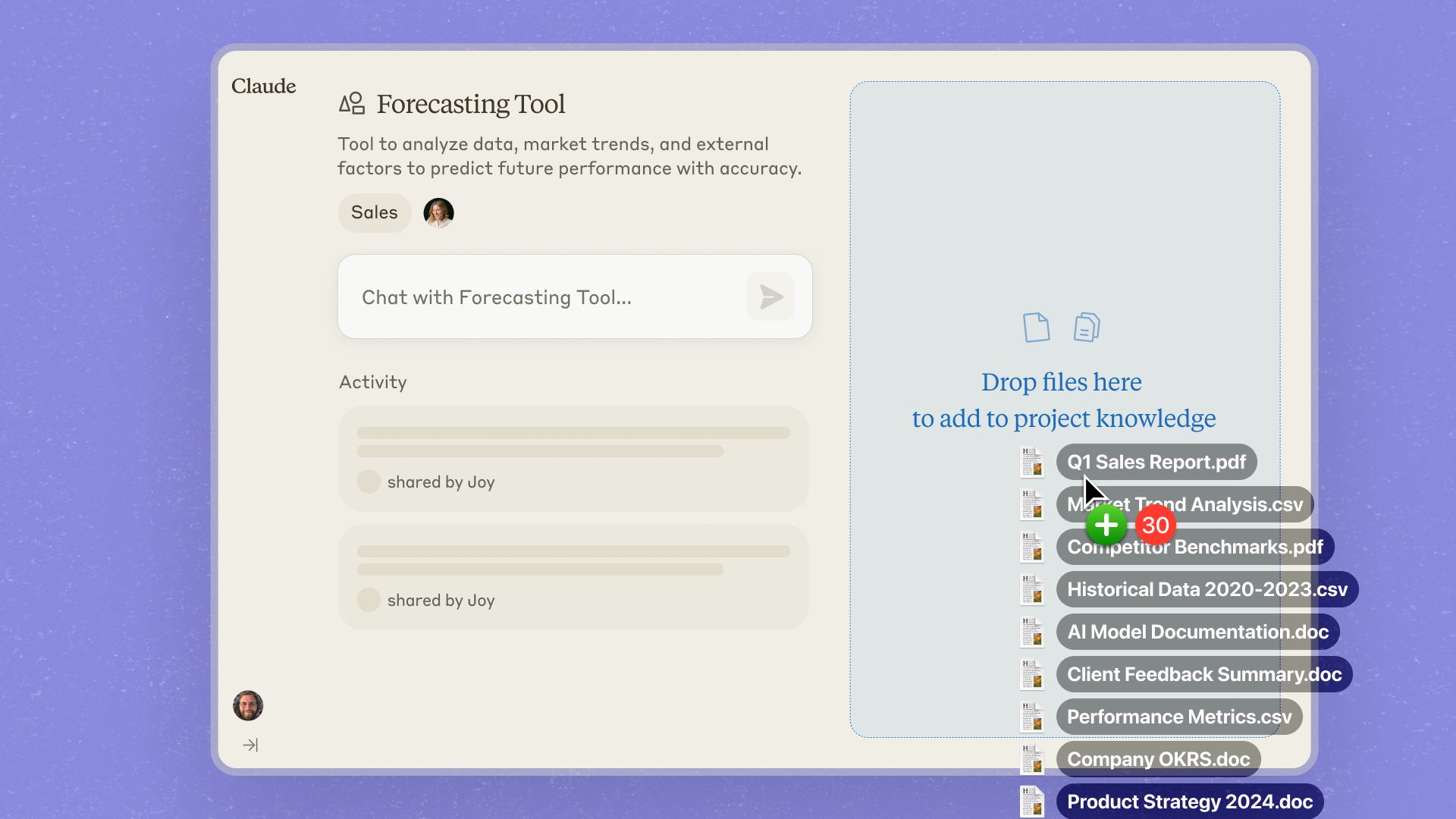
Since its launch in September 2024, Claude Enterprise has gone from an ambitious promise to a platform that companies like GitLab and Midjourney are running in production. But the real story isn’t the 500K context window or the GitHub integration — it’s the security and governance infrastructure that makes enterprise adoption actually possible. Here’s what IT leaders need to know heading into the second half of 2025.
Claude Enterprise SOC 2 Certification: What It Actually Means
Let’s start with the certification that matters most to procurement teams. Anthropic holds both SOC 2 Type I and SOC 2 Type II certifications, along with ISO 27001:2022 and the newer ISO/IEC 42001:2023 (the first international standard specifically for AI management systems). For organizations in healthcare, HIPAA-ready configurations with Business Associate Agreements are also available.
The distinction between Type I and Type II is critical. Type I confirms that security controls are properly designed at a specific point in time. Type II — the one that actually matters — validates that those controls have been operating effectively over a sustained audit period. When your CISO asks “how do we know they’re not just checking a box?”, the Type II report is your answer.
What makes this particularly relevant for AI platforms is the data handling commitment: Anthropic does not train on enterprise customer data. Period. This zero-training guarantee, combined with network isolation options and zero-data-retention configurations, addresses the single biggest objection that’s been blocking enterprise AI adoption since ChatGPT first went viral.
Team Management Features That IT Admins Actually Need
Security certifications get you through the procurement gate, but team management features determine whether the platform actually works at scale. Claude Enterprise delivers on the essentials:
SSO and Identity Management
Claude Enterprise supports SAML 2.0 and OIDC-based Single Sign-On, integrating with identity providers like Okta, Azure AD, and Google Workspace. This means your team authenticates through your existing identity infrastructure — no separate passwords, no shadow IT risks, no “I forgot my Claude login” tickets.
SCIM 2.0 provisioning automates user lifecycle management. When someone joins your organization, they get Claude access through your IdP. When they leave, access is revoked automatically. For teams managing hundreds of seats, this isn’t a nice-to-have — it’s a hard requirement.
Role-Based Permissions and Admin Controls
Granular role-based access control lets administrators define who can do what within the platform. Recent updates have expanded admin capabilities significantly — Anthropic’s latest admin controls include self-serve seat management, granular spend controls at both org and individual levels, usage analytics, and managed policy settings.
The policy management layer is especially powerful for Enterprise customers. Admins can enforce tool permissions, restrict file access, and control MCP (Model Context Protocol) server configurations across the organization. If you need to ensure that certain teams can only use Claude for specific workflows, these guardrails make it possible without constant manual oversight.

Audit Logs and Compliance Reporting
Audit logging is aligned with SOC 2 Type II requirements, providing 30-day log retention with export capabilities in JSON and CSV formats. For organizations running centralized security operations, Claude Enterprise supports SIEM integration with platforms including Splunk, Datadog, and Elastic.
This means every conversation, every file upload, every administrative action is tracked and auditable. When your compliance team needs to demonstrate AI usage governance for an internal audit or regulatory review, the data is there — not as an afterthought, but as a core platform capability.
The 500K Context Window: Why It Changes Enterprise Workflows
While competitors are still celebrating 128K context windows, Claude Enterprise offers a 500K token context — roughly 350,000 words or about 700 pages of documentation in a single conversation. For enterprise use cases, this isn’t just a bigger number on a spec sheet.
Consider what becomes possible: uploading an entire codebase for review, feeding in full regulatory documents for compliance analysis, or processing complete project documentation suites without chunking and losing context. Legal teams can analyze entire contracts. Engineering teams can debug across full repositories. Research teams can synthesize complete literature reviews in a single session.
Combined with native GitHub integration, developers can connect their repositories directly and have Claude analyze, review, and contribute to code with full repository context. Early adopters like GitLab have reported meaningful productivity gains in code review and documentation workflows.
Pricing and Deployment: What to Expect
Claude Enterprise operates on custom pricing through Anthropic’s sales team, with minimum seat commitments. While Anthropic’s pricing page lists the Team plan (with SSO included) as the self-serve business option, Enterprise customers negotiate based on usage volume, seat count, and specific security requirements.
This is standard for enterprise AI platforms, but worth noting: if you’re evaluating Claude Enterprise against alternatives, make sure you’re comparing total cost of ownership rather than just per-seat pricing. The included security infrastructure, compliance certifications, and admin tooling would cost significant additional budget if bolted onto a less enterprise-ready platform.
How Claude Enterprise Stacks Up: An IT Leader’s Evaluation Framework
After tracking enterprise AI platforms for the past year, here’s the framework I recommend for evaluating Claude Enterprise against your specific requirements:
Security and Compliance — SOC 2 Type II, ISO 27001, ISO 42001, HIPAA-ready. This is the strongest compliance portfolio among major AI providers as of mid-2025. Verify the most recent audit dates and request the full SOC 2 Type II report from Anthropic’s sales team.
Data Privacy — Zero training on enterprise data, network isolation options, configurable data retention policies. Ask specifically about data residency requirements if your organization operates under GDPR or similar regional regulations.
Identity and Access — SAML/OIDC SSO, SCIM 2.0, role-based permissions. Confirm compatibility with your specific IdP and test the SCIM integration in a pilot before full deployment.
Admin Controls — Spend management, usage analytics, policy enforcement, tool permission controls. Evaluate whether the granularity of controls meets your governance model — especially around MCP server configurations if your team uses custom tool integrations.
Observability — 30-day audit logs, JSON/CSV export, SIEM integration. Verify compatibility with your existing security stack (Splunk, Datadog, or Elastic) and confirm that log granularity meets your internal audit requirements.
Capability — 500K context window, GitHub integration, Claude Code for development workflows. Run a proof-of-concept with your actual use cases to validate that the extended context and integrations deliver measurable productivity improvements.
The Bottom Line for IT Decision Makers
Claude Enterprise has matured significantly since its September 2024 launch. The combination of SOC 2 Type II certification, comprehensive team management features, and a 500K context window creates a platform that can survive enterprise procurement scrutiny — which, for anyone who has navigated that process, is no small achievement.
The key question isn’t whether Claude Enterprise meets security standards — it clearly does. The question is whether your organization has identified specific, high-value use cases where AI-assisted workflows would deliver measurable ROI. Start with a focused pilot in one department, measure results rigorously, and expand from there. The platform infrastructure is ready. The question is whether your organization’s AI strategy is.
For organizations navigating the rapidly evolving AI tooling landscape — whether it’s evaluating enterprise platforms, building AI-integrated automation systems, or developing an AI adoption strategy — having a structured approach to technology evaluation makes all the difference between a successful deployment and an expensive experiment.
Need help evaluating enterprise AI platforms or building an AI adoption strategy for your organization?
Get weekly AI, music, and tech trends delivered to your inbox.