Best Gaming Mice August 2025: 7 Wireless Lightweight Picks Under $100
August 11, 2025
AMD Ryzen 9000X3D Refresh: 3D V-Cache CPUs Get Up to 500MHz Clock Speed Boost and 192MB Cache
August 12, 2025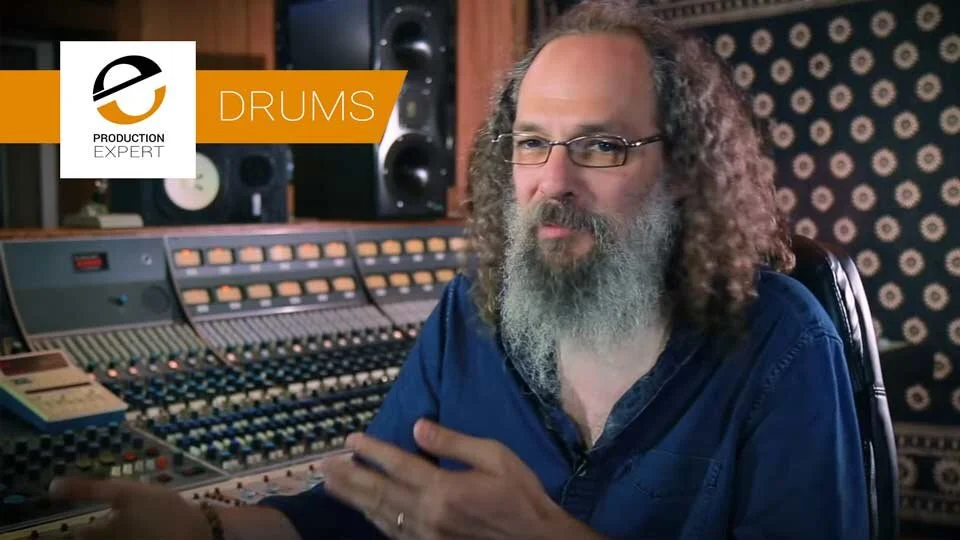
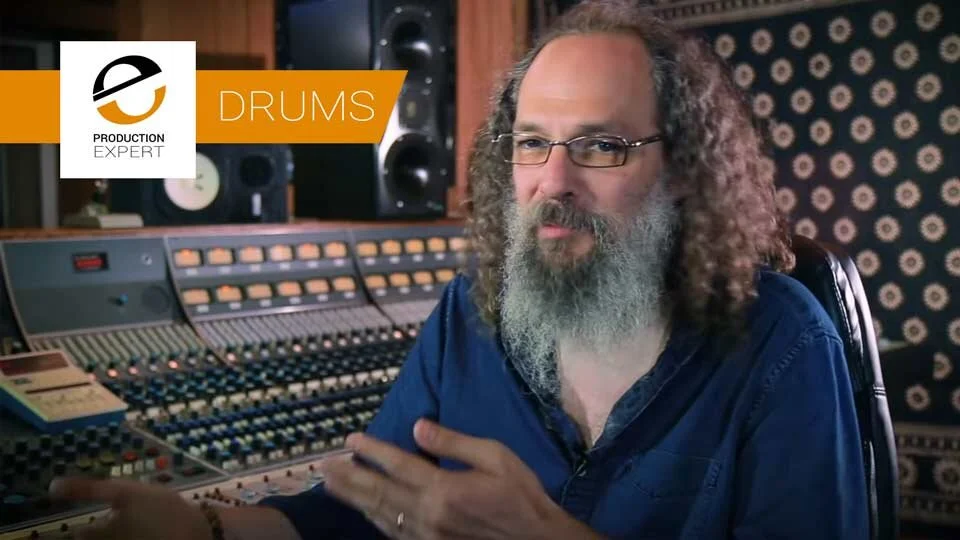
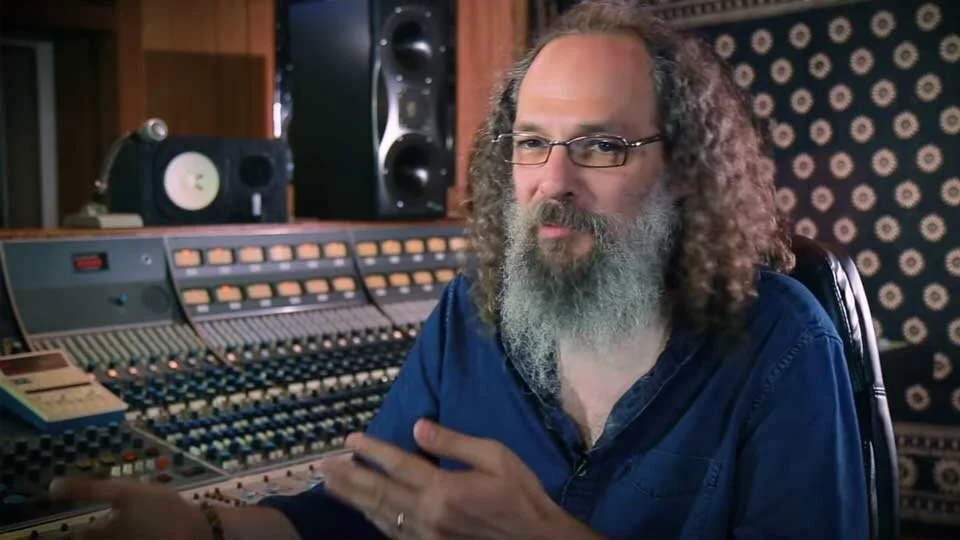
Thirty parallel compressors. That’s how many Andrew Scheps runs in a single mix session — and almost none of them are doing what you’d expect. The Grammy-winning engineer behind Red Hot Chili Peppers’ Stadium Arcadium, Adele’s 21, and Metallica’s Death Magnetic barely touches direct compression on individual tracks. Instead, he’s built an entire mixing philosophy around Andrew Scheps parallel processing drums techniques that preserve every transient while adding massive weight and energy underneath.
If your drum mixes feel flat, squashed, or lifeless despite hours of tweaking compressor settings, you’re probably approaching it backwards. Scheps’ method flips the script: keep the dry signal loud, and blend heavily processed parallel chains underneath. The result? Drums that hit like a freight train while breathing like they’re alive. Here’s exactly how to do it.
Why Andrew Scheps Uses Parallel Processing Instead of Direct Compression
Most engineers reach for a compressor and slap it directly on their kick or snare channel. Scheps takes the opposite approach. In his sessions, the uncompressed signal is always the louder element — the parallel compressed signal sits beneath, adding sustain, body, and excitement without ever touching the original transients.
“I don’t directly compress very much at all,” Scheps has explained in interviews with Audiofanzine. “But there’s a lot of parallel compression going on.” This isn’t subtle — he runs roughly 30 parallel compressors across a full mix, with dedicated chains for kick and snare, full drum kit, and even the entire mix minus drums.
The advantage is control. When you compress directly, you’re making a permanent trade-off between punch and sustain. With parallel processing, you keep 100% of the original attack and dynamics, then dial in exactly how much weight, grit, or glue you want from the processed signal. It’s additive rather than destructive.
The Three Parallel Drum Chains: Scheps’ Complete Architecture
Scheps doesn’t use just one parallel compressor on drums — he uses three distinct chains, each serving a different purpose. Understanding this architecture is the key to recreating his sound.
1. Kick/Snare Crush (dbx 160)
The foundation of Scheps’ Andrew Scheps parallel processing drums approach starts with a dedicated send from the kick and snare to a parallel bus running a dbx 160 compressor (or its plugin equivalent). This isn’t gentle — the dbx 160 is known for its aggressive, punchy character with a hard-knee ratio that grabs transients hard.
The trick: Scheps sends both kick and snare to the same compressor, not separate ones. This forces the two most important rhythmic elements to interact dynamically — when the kick hits, it ducks the snare’s sustain slightly, and vice versa. The result is a cohesive, punchy center that drives the track.
- Send level: 0 dB from kick and snare
- Compression: Heavy — 10-15 dB of gain reduction
- Return level: Blended low, typically -10 to -15 dB below the dry drums
- Character: Punchy, aggressive attack emphasis
2. Drums Dirt Bus (iZotope Trash 2)
This is where things get interesting. Scheps’ “Drums Dirt” bus takes the entire drum kit — kick, snare, hi-hats, toms, and overheads — and sends them to a parallel chain running iZotope Trash 2 for distortion processing. According to Puremix’s breakdown of his technique, the key is that you process the audio quite heavily, but only bring in a small amount alongside the original.
The distortion adds harmonic content and excitement that compression alone can’t achieve. It fills in the gaps between transients, creating a sense of energy and aggression without actually making the drums louder. Think of it as adding texture and grit — the kind of thing that makes drums sound like a performance rather than a collection of samples.
- Source: All drum elements (kick, snare, hats, toms, OH)
- Processing: Heavy distortion/saturation via Trash 2
- Return level: Very low — just enough to add grit without obvious distortion
- Character: Warmth, aggression, harmonic density
3. Full Drum Parallel Compression
The third chain is a more traditional parallel compression approach applied to the entire drum subgroup. Scheps uses a stereo compressor — often modeled on an SSL G-bus or similar — with aggressive settings to heavily squash the drum bus, then blends it back in at a low level.
This chain provides the “glue” that makes the entire kit feel like one instrument rather than a collection of separate microphones. The heavy compression brings up room tone, cymbal sustain, and ghost notes that add realism and depth.
- Ratio: 4:1 to 10:1
- Attack: Fast (1-5 ms) to catch everything
- Release: Medium-fast, tuned to the tempo
- Gain reduction: 10-20 dB (heavily squashed)
- Blend: Low — 15-20% of the parallel signal mixed in
The Rear Bus: Scheps’ Secret Weapon for Mix Context
Beyond drums, Scheps employs one of the most clever parallel techniques in modern mixing: the Rear Bus. He sends the entire mix minus the drums to a parallel bus running a Universal Audio 1176LN compressor at a low 2:1 ratio.
Why exclude drums? Because without the kick and snare hitting the compressor, the vocals become the loudest signal hitting the Rear Bus. This means the parallel compression naturally rides around the vocal, creating a self-balancing effect where the rest of the instrumentation gently ducks around the lead vocal. As Scheps puts it: “It’s like the song starts to mix itself.”
For your drum mix, this matters because it means the drums sit in their own uncompressed space while everything else is gently compressed around them. The drums punch through the mix naturally, without needing extra level or aggressive EQ to cut through.
Setting Up Scheps-Style Parallel Drums in Your DAW
Here’s a step-by-step guide to implementing Scheps’ three-chain parallel drum architecture in any DAW:
Step 1: Create Your Parallel Buses
Create three new aux/return tracks:
- “KS Crush” — for kick/snare parallel compression
- “Drum Dirt” — for distortion parallel
- “Drum Parallel” — for full kit parallel compression
Step 2: Route Your Sends
- Kick → KS Crush (0 dB send), Drum Dirt (0 dB send), Drum Parallel (0 dB send)
- Snare → KS Crush (0 dB send), Drum Dirt (0 dB send), Drum Parallel (0 dB send)
- Hi-Hats → Drum Dirt (0 dB send), Drum Parallel (0 dB send)
- Toms → Drum Dirt (0 dB send), Drum Parallel (0 dB send)
- Overheads → Drum Dirt (-6 dB send), Drum Parallel (0 dB send)
Step 3: Process Each Chain
KS Crush: Insert a dbx 160 emulation (Waves dbx 160, UAD dbx 160, or any aggressive VCA compressor). Set input gain high enough to hit 10-15 dB of gain reduction. The output should be pulled down significantly — start at -15 dB and bring it up until you feel the punch without hearing obvious compression artifacts.
Drum Dirt: Insert iZotope Trash 2 (or Soundtoys Decapitator, FabFilter Saturn 2, or any good saturation plugin). Choose a tape or tube saturation algorithm. Drive it hard — you should hear obvious distortion when soloed. Then pull the return fader down until the distortion is felt rather than heard in context.
Drum Parallel: Insert an SSL G-bus style compressor (Waves SSL G-Master, Brainworx SSL 4000 G, or similar). Set ratio to 4:1, attack to 3 ms, release to auto or tempo-synced. Push the threshold until you’re seeing 10-15 dB of gain reduction. Blend at -12 to -18 dB below the dry drums.
Step 4: Blend and Balance
This is where the magic happens. Start with all three parallel returns muted. Play the song and listen to your dry drums in the full mix. Then:
- Unmute KS Crush first — bring it up until the kick and snare feel more authoritative
- Add Drum Dirt — bring it up until you feel extra energy without hearing distortion
- Finally, add Drum Parallel — bring it up for overall glue and room tone
The key insight from Scheps: the uncompressed signal should always be louder than the parallel chains. You’re adding seasoning, not replacing the main ingredient.
The Scheps Parallel Particles Shortcut
If setting up three separate parallel chains sounds like too much routing, Scheps worked with Waves to create Scheps Parallel Particles — a single plugin that encapsulates his parallel processing philosophy into four intuitive controls:
- Sub: Adds low-end weight and deep harmonics without muddiness — perfect for kick drums
- Thick: Fills in the lower mids and midrange body, like moving a mic closer to the source
- Bite: Controls transient energy and attack character — low settings for intensity, high for aggression
- Air: Lifts high-end detail smoothly — ideal for bringing out cymbal shimmer and snare wire
Because Parallel Particles uses parallel processing internally, the dynamics of your original signal remain intact. Transients stay sharp while you independently enhance each frequency range. For drums, try starting with Sub at 30%, Thick at 20%, Bite at 40%, and Air at 25% — then adjust to taste.
Scheps’ 2025 Template Philosophy: Intent Over Inertia
In September 2025, Scheps released an updated mix template through Puremix that reveals a critical evolution in his approach. Every processor in the template starts completely bypassed — no active EQ, no active compression, nothing coloring the sound by default.
“Templates don’t make mixes, decisions do,” Scheps explained. He wants to mix with intent, not inertia. Each drum element — kick, snare, toms — is treated individually with careful processing before being combined in the Drum Kit aux, then onward to his mix bus. The parallel chains (Drums Dirt, KS Crush, Drum Parallel) are all routed and ready, but nothing is turned on until he makes a deliberate choice.
This is the most important lesson from Scheps’ approach: parallel processing is a tool, not a default. Don’t turn everything on and adjust — start clean, listen to what the drums need, and bring in each parallel chain only when it solves a specific problem.
Putting It All Together: The Scheps Drum Mixing Workflow
After 28 years in the audio industry, I can confirm that Scheps’ parallel approach fundamentally changed how I think about drum processing. Here’s the workflow distilled into actionable steps:
- Start dry. Get your drum balance with no processing. If the drums don’t sound good dry, fix the source — don’t mask problems with parallel chains.
- Add KS Crush first. The kick and snare are the foundation. Use the dbx 160 parallel to add punch and cohesion to these two elements.
- Layer Drums Dirt. Once the punch is right, add the distortion parallel for energy and harmonic density. This is especially effective on snare and toms.
- Glue with Drum Parallel. The full kit parallel compression brings everything together. Adjust the blend until the kit feels like one instrument.
- Set up the Rear Bus. Send everything except drums to an 1176-style parallel compressor. This creates space for your drums to punch through naturally.
- Check in mono. Parallel processing can cause phase issues. Always verify your drum mix in mono — if something disappears, adjust the timing or level of your parallel returns.
The beauty of this system is its flexibility. Some songs need all three parallel chains running hot. Others might only need a touch of KS Crush. The framework gives you options without locking you into a single approach — exactly as Scheps intended.
Ready to take your drum mixes to the next level? Whether you need professional mixing, mastering, or guidance on building your own parallel processing chains, we can help.
Get weekly AI, music, and tech trends delivered to your inbox.