Plugin Alliance Mega Bundle Summer Sale: 200+ Plugins at $14.99/Month — Is the Subscription Actually Worth It?
July 10, 2025
Claude Enterprise SOC 2: Anthropic’s Certified AI Platform with Full Team Management (2025 Guide)
July 11, 2025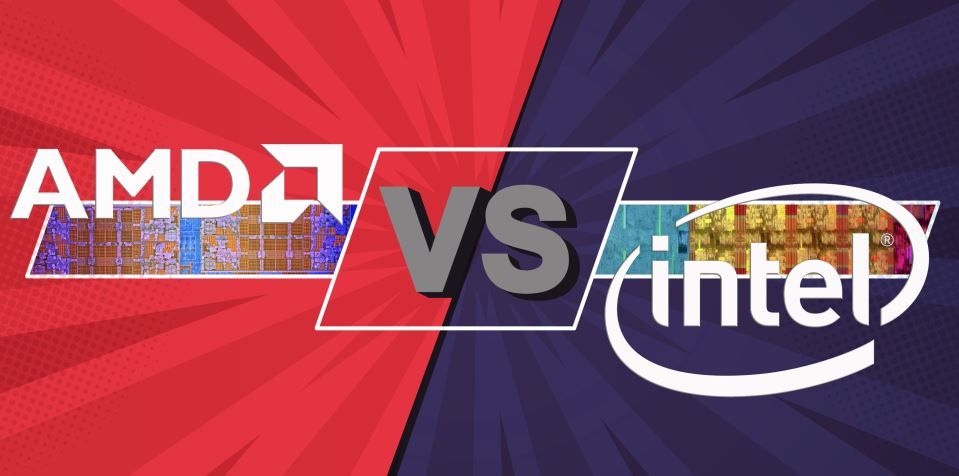
The AMD vs Intel desktop CPU 2025 battle has never been more one-sided. The Ryzen 7 9800X3D just demolished Intel’s fastest chip by 30% in gaming benchmarks — and it’s not even AMD’s flagship. July 2025 marks a historic inflection point in the desktop processor market, with AMD claiming victory in 5 out of 9 performance categories while Intel clings to just 2. Whether you’re building a $500 budget rig or a $2,000 content creation workstation, the processor you pick today will define your computing experience for the next 3-5 years. We’ve analyzed hundreds of benchmarks across every price tier to tell you exactly which chip deserves your money.
Market Overview: Where AMD and Intel Stand in July 2025
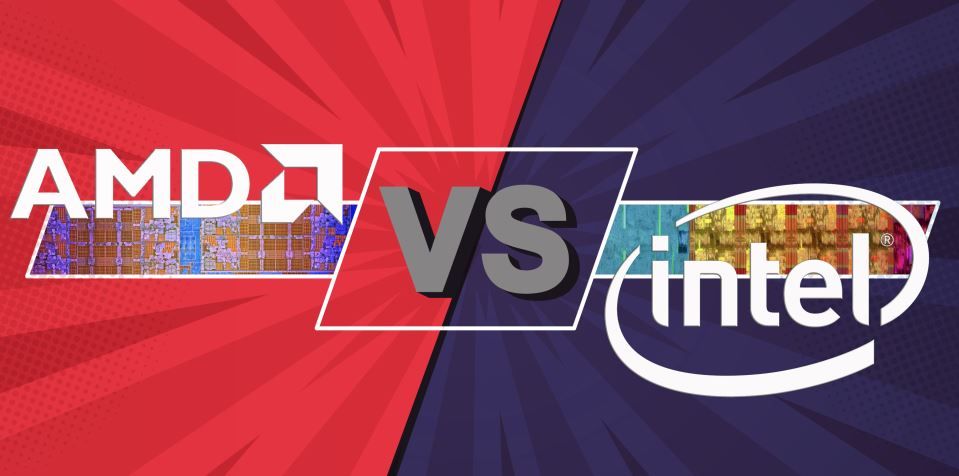
Before diving into specific recommendations, let’s set the stage. According to Tom’s Hardware’s comprehensive AMD vs Intel analysis, AMD now leads in 5 of 9 CPU performance categories: gaming, single-threaded performance, power efficiency, value, and platform longevity. Intel holds just 2 categories — heavy multi-threaded content creation and software compatibility — while the remaining 3 are effectively tied.
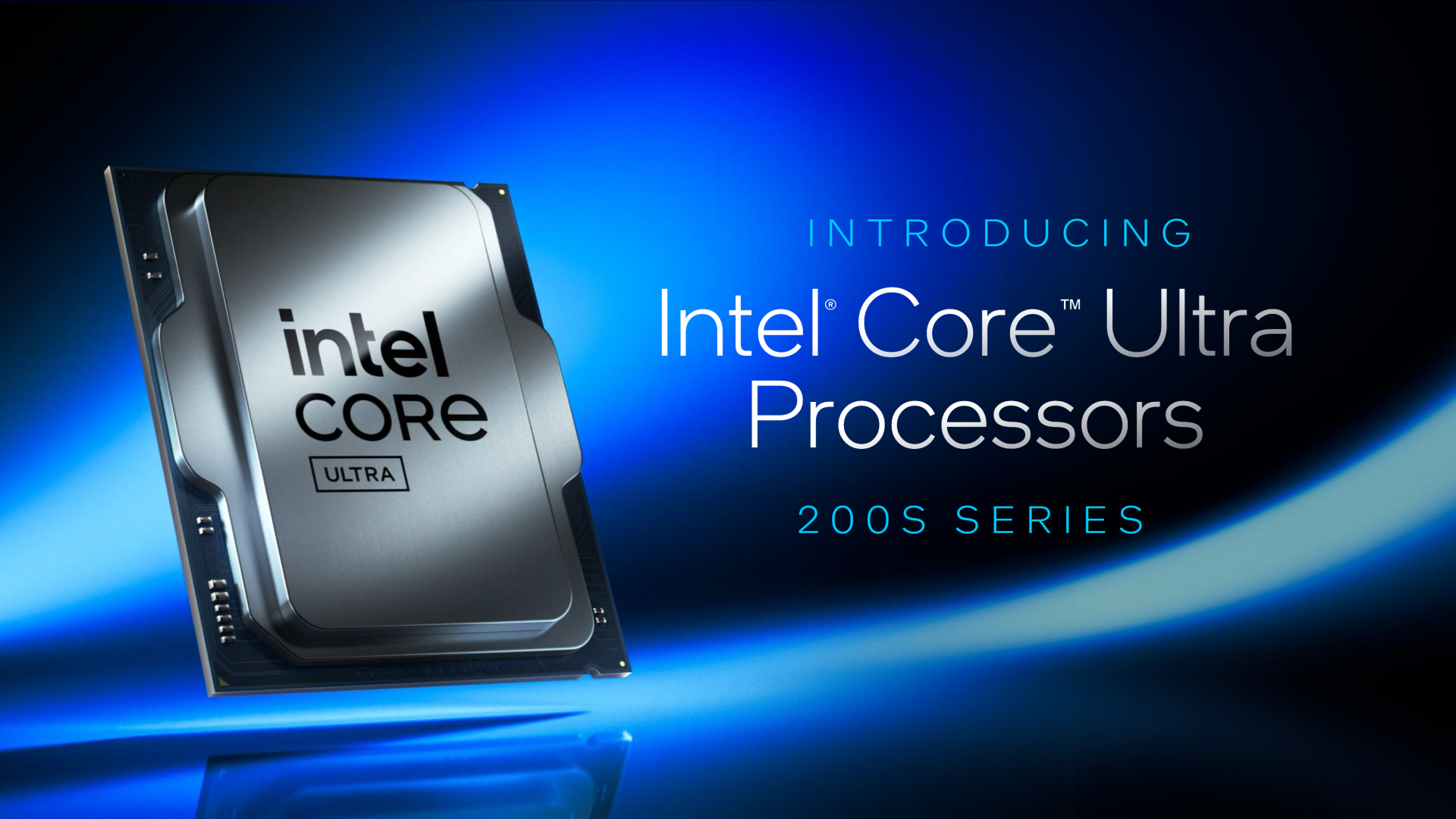
Despite AMD’s technical dominance, Intel still commands a massive 74.6% desktop market share versus AMD’s 25.4%. That gap is shrinking fast, however, as enthusiast builders increasingly choose Ryzen 9000. The reason is simple: AMD’s Zen 5 architecture delivers better performance-per-watt, better gaming performance thanks to 3D V-Cache technology, and a platform (AM5) with a confirmed upgrade path through 2027 and beyond. Intel’s Arrow Lake (Core Ultra 200S) brought genuine efficiency improvements but failed to reclaim the gaming or value crowns.
Budget Tier ($150-$280): Ryzen 5 9600X vs Core i5-14600K
The budget tier is where most PC builders start, and the choice here sets the tone for the entire AMD vs Intel rivalry. AMD’s Ryzen 5 9600X has become the undisputed value king at just $193. This 6-core, 12-thread processor runs at a mere 65W TDP, which means you can pair it with a modest cooler and a B650 motherboard without breaking the bank. In single-threaded performance — the metric that matters most for everyday tasks, web browsing, and many games — the 9600X leads Intel’s closest competitor by roughly 7%.
Intel’s counter-punch is the Core i5-14600K, a 14-core (6 Performance + 8 Efficient), 20-thread chip priced around $290-$300. On paper, that’s a huge core count advantage. In practice, the extra cores make a meaningful difference only in heavily multi-threaded workloads. In Blender rendering, the i5-14600K is 25-30% faster than the 9600X — a legitimate win for content creators on a budget. But that advantage comes at a steep cost: the 14600K pulls 125W TDP (and much more under boost), requires a beefier cooler, and sits on the end-of-life LGA 1700 platform with zero upgrade path.
The verdict at this tier is clear. For pure gaming, everyday productivity, and long-term platform value, the Ryzen 5 9600X is the better buy by a wide margin. The only scenario favoring the i5-14600K is if you regularly run multi-threaded rendering workloads and can find the chip on clearance with a cheap LGA 1700 motherboard. Even then, the power consumption difference — 65W vs 125W+ — means the AMD chip pays for itself in electricity savings over a couple of years.
Mid-Range ($280-$400): Ryzen 7 9700X vs Core Ultra 5 245K
The mid-range tier is where things get genuinely interesting, because this is where Intel’s new Arrow Lake architecture enters the picture. AMD’s Ryzen 7 9700X ($290-$340) is arguably the sweet spot of the entire AM5 lineup. With 8 cores, 16 threads, and that incredibly efficient 65W TDP, it delivers excellent gaming performance, smooth multitasking, and enough multi-threaded grunt for light video editing and streaming. The 9700X runs cool and quiet — many users report perfectly acceptable temperatures with the stock cooler, which is almost unheard of at this performance level.
Intel’s offering is the Core Ultra 5 245K ($294), the first mid-range chip on the brand-new LGA 1851 platform. This Arrow Lake processor features 14 cores (6P + 8E) and 14 threads — yes, Intel dropped Hyper-Threading entirely with Arrow Lake, so the thread count is lower than you’d expect from 14 cores. The big headlines here are the integrated NPU (Neural Processing Unit) for on-device AI tasks and dramatically improved power efficiency compared to 13th/14th gen Intel. According to Wccftech’s Arrow Lake coverage, the Core Ultra 200S series draws up to 188W less than its Raptor Lake predecessors in sustained workloads.
In gaming, the Ryzen 7 9700X holds a slight but consistent edge. In productivity, the 245K’s extra cores help in some multi-threaded scenarios, but the lack of Hyper-Threading limits the advantage. The real differentiator is the platform: buying the 9700X puts you on AM5 with confirmed future CPU support, while the 245K puts you on LGA 1851 with an uncertain roadmap beyond Arrow Lake Refresh. For most builders, the Ryzen 7 9700X is the smarter investment — it does everything well, sips power, and sits on a platform with a real future.
High-End Gaming ($420-$530): Ryzen 7 9800X3D vs Core Ultra 9 285K
This is the tier that generates the most heated debates, and it’s where AMD has built an almost unfair advantage. The Ryzen 7 9800X3D ($420-$480) is, put simply, the fastest gaming CPU on the planet. According to GamersNexus’s exhaustive review, the 9800X3D beats Intel’s Core i9-14900K by a staggering 30% in gaming benchmarks and outperforms its own predecessor, the 7800X3D, by 14.7%.
The secret weapon is AMD’s 3D V-Cache technology. Instead of relying solely on clock speeds and core counts, AMD physically stacks an additional layer of L3 cache on top of the processor die, bringing the total L3 cache to a massive 96MB. Why does cache matter so much for gaming? Because modern games constantly access large datasets — textures, physics calculations, AI pathfinding, world state — and having that data available in ultra-fast on-chip cache eliminates the need to fetch it from slower main memory. The result is dramatically lower latency and higher frame rates, especially at 1080p and 1440p where the CPU is the bottleneck rather than the GPU.
Despite having “only” 8 cores and 16 threads, the 9800X3D doesn’t sacrifice productivity performance either. It handles streaming, light video editing, and multitasking without breaking a sweat. The 120W TDP is higher than the 65W budget chips but still remarkably efficient for a top-tier gaming processor.
Intel’s closest competitor at this price range is the Core Ultra 9 285K ($530-$589), Arrow Lake’s flagship with 24 cores (8P + 16E) and 24 threads. This chip is a productivity powerhouse — the sheer core count makes it excellent for video rendering, 3D modeling, and compilation tasks. Intel also claims the 285K draws 58% less power than the previous-generation i9-14900K during sustained productivity workloads, which is a genuine and impressive improvement. However, in gaming, the 285K simply cannot keep up with the 9800X3D. Intel has no answer to 3D V-Cache, and no amount of cores or clock speed optimization can compensate for that massive cache advantage in gaming workloads.
Flagship Tier ($499-$680): The Productivity and Do-Everything Champions
For users who need maximum multi-threaded performance alongside top-tier gaming, AMD has two compelling options that Intel simply cannot match. The Ryzen 9 9950X ($499) is a 16-core, 32-thread beast that, according to Phoronix’s 400-benchmark comparison, averages 18% faster than Intel’s Core Ultra 9 285K across a wide range of workloads. That’s a massive gap at a lower price point — the 9950X costs $499 while the 285K sits at $530-$589.
Then there’s the Ryzen 9 9950X3D at $677 — AMD’s ultimate “have it all” processor and the crown jewel of the Zen 5 lineup. It combines the 9950X’s 16-core, 32-thread muscle with 3D V-Cache technology, delivering gaming performance on par with the 9800X3D while also crushing productivity workloads. If your workflow involves switching between gaming sessions and video editing, 3D rendering, or software compilation, this is the chip that eliminates every compromise. No Intel processor can simultaneously match it in both gaming and productivity.
Intel doesn’t really have an answer in this tier. The Core Ultra 9 285K, while respectable in multi-threaded work, falls behind the 9950X by 18% on average and can’t touch either X3D chip in gaming. The one area where the 285K shines is power efficiency during sustained productivity loads — it averages 140W compared to the 9950X’s 148W average, though the AMD chip peaks much higher at 312W vs 210W. For buyers prioritizing sustained quiet operation under heavy loads, Intel has a slight edge here, but it’s a narrow advantage that doesn’t justify the higher price and lower overall performance.
Platform Wars: AM5 vs LGA 1851 vs LGA 1700
Your CPU choice isn’t just about the chip — it’s about the platform you’re committing to for the next several years. The motherboard, memory, and upgrade path you lock into today will determine whether your next CPU upgrade costs $300 or $800+. Here’s how the three current desktop platforms stack up:
AM5 (AMD Ryzen 9000): DDR5 memory, PCIe 5.0, motherboards from $120-$400. The killer feature is AMD’s confirmed support through 2027 and beyond, meaning your next CPU upgrade won’t require a new motherboard. You could buy a budget B650 board today with a Ryzen 5 9600X, then drop in a Ryzen 9 9950X3D (or its successor) in two years without changing anything else. This is the platform to build on if you plan to upgrade incrementally — and it’s a massive cost advantage over Intel’s frequent socket changes.
LGA 1851 (Intel Arrow Lake): DDR5 with CUDIMM support, PCIe 5.0, motherboards from $150-$450. Intel has confirmed an Arrow Lake Refresh, but beyond that, the platform’s future is uncertain. Intel’s history of changing sockets every 1-2 generations — LGA 1200, LGA 1700, now LGA 1851 — doesn’t inspire confidence for long-term builders. The platform does offer one unique feature: integrated NPU support for on-device AI inference, which may become more relevant as Windows AI features mature.
LGA 1700 (Intel 12th-14th Gen): The budget wildcard that nobody expected. With DDR4 and DDR5 support, bargain motherboards from $80-$350, and clearance-priced CPUs, this dead-end platform actually offers incredible value if you have zero interest in future CPU upgrades. A Core i5-14600K with a $90 B660 motherboard and your existing DDR4 RAM is one of the cheapest ways to build a capable gaming PC in 2025. Just know that you’re buying a terminal platform — there will be no new CPUs for LGA 1700, ever.
AMD vs Intel Desktop CPU 2025: The Verdict
After analyzing benchmarks from Tom’s Hardware’s CPU hierarchy, GamersNexus, and Phoronix, the picture is unmistakable: AMD dominates the desktop CPU landscape in July 2025 across nearly every price point and use case. Here’s the definitive buying guide:
- Best budget CPU: AMD Ryzen 5 9600X ($193) — unbeatable value with 65W efficiency
- Best mid-range CPU: AMD Ryzen 7 9700X ($290) — the efficiency king and AM5 sweet spot
- Best gaming CPU: AMD Ryzen 7 9800X3D ($480) — nothing else comes close, 3D V-Cache is a cheat code
- Best productivity CPU: AMD Ryzen 9 9950X ($499) — 18% faster than Intel’s best across 400 benchmarks
- Best do-everything CPU: AMD Ryzen 9 9950X3D ($677) — gaming + productivity perfection in one chip
- Best Intel option: Core Ultra 9 285K ($530) — only if you specifically need NPU features or prefer the Intel ecosystem
- Best bargain build: Core i5-14600K on clearance LGA 1700 boards — dead-end platform but dirt cheap entry point
The pattern is consistent across every tier: Gaming = AMD wins (3D V-Cache has no Intel equivalent). Productivity = Mixed (Intel 285K handles some heavy multi-threaded work well, but the 9950X beats it on average). Budget = AMD wins (9600X at $193 is untouchable). Power efficiency = AMD wins (65W TDP across the lineup vs 125W+ for Intel). Platform longevity = AMD wins (AM5 confirmed through 2027+ vs Intel’s uncertain roadmap).
Intel’s Arrow Lake isn’t a bad architecture — the efficiency improvements over Raptor Lake are genuine and impressive, and the NPU inclusion is forward-thinking for the coming wave of on-device AI features. But AMD’s combination of 3D V-Cache gaming dominance, superior performance-per-watt across the entire stack, competitive pricing, and a platform with a real confirmed future makes the Ryzen 9000 series the default recommendation at virtually every budget level. Intel needs Panther Lake to shift this momentum, and that’s still months away. Until then, AMD is the clear choice for anyone building or upgrading a desktop PC in 2025.
Get weekly AI, music, and tech trends delivered to your inbox.