Neural DSP Quad Cortex CorOS 3.2: Cory Wong X, Live Tuner, and 5 Changes That Actually Matter
September 4, 2025
Google Chrome AI Features September 2025: Tab Organizer and Writing Assistant Transform Your Browser
September 5, 2025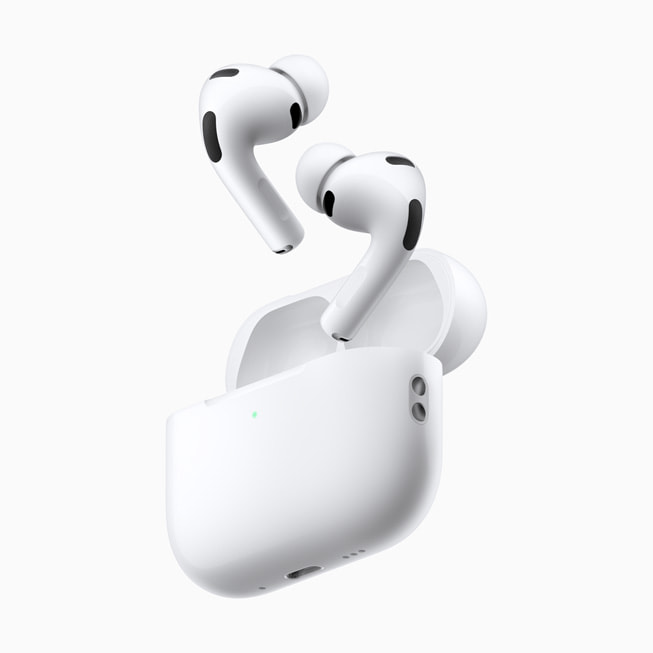
Apple just turned earbuds into medical devices — again. The AirPods Pro 3, announced at the September 9 event, pack FDA-cleared hearing aid capabilities, a heart rate sensor that pulses infrared light 256 times per second, and active noise cancellation that doubles what the Pro 2 could do. All for the same $249 price tag. Here’s everything that matters.
AirPods Pro 3: What the H3 Chip Actually Changes
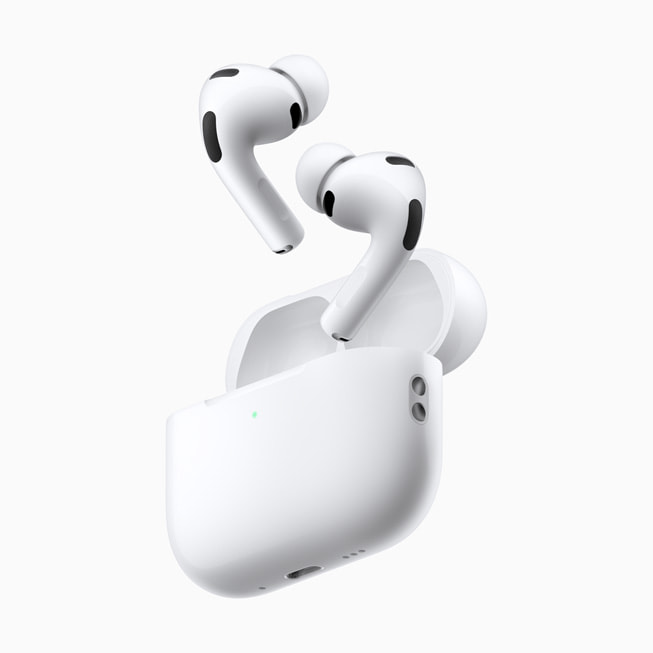
At the core of every upgrade sits Apple’s new H3 chip. This isn’t a spec-sheet flex — it’s the engine behind every meaningful improvement in the AirPods Pro 3. The chip drives 2x better active noise cancellation compared to the AirPods Pro 2, and a staggering 4x improvement over the original AirPods Pro. It powers the new heart rate sensor, handles real-time language translation through Apple Intelligence, and manages the computational audio pipeline that makes spatial audio feel genuinely immersive.
The result? Earbuds that don’t just play music — they monitor your health, translate conversations, and adapt to your hearing profile in real time. That’s a fundamentally different product category than what we had even two years ago.
FDA-Cleared Hearing Aid Features: A Game-Changer for Millions
The hearing health story started with AirPods Pro 2 in late 2024, when Apple secured FDA clearance for a software-based hearing aid feature targeting mild to moderate hearing loss. With AirPods Pro 3, Apple isn’t just carrying that feature forward — they’re making it significantly better.
Here’s what’s included in the AirPods Pro 3 hearing health suite:
- Hearing Test — A clinically validated five-minute test on iPhone or iPad. You respond to tones at various frequencies and volumes, generating a personalized audiogram based on data from the Apple Hearing Study.
- Hearing Aid Mode — The world’s first software-enabled, FDA-cleared hearing aid feature. It uses your audiogram to amplify specific frequencies in real time, making conversations clearer without dedicated hearing aid hardware.
- Automatic Conversation Boost — New to AirPods Pro 3. In loud environments like restaurants or crowded spaces, this feature kicks in automatically, amplifying speech while reducing background noise. Previous versions required manual activation.
- Active Hearing Protection — Works across all listening modes to prevent exposure to dangerously loud environmental noise. This is particularly important for users who rely on Transparency mode throughout the day.
According to Hearing Tracker, the automatic Conversation Boost alone represents a major leap for hearing aid users who previously had to fiddle with settings in noisy environments. The clinical-grade designation means these aren’t novelty features — they’re genuine assistive technology packaged in consumer hardware.
Heart Rate Sensing: Your Ears Are the New Wrist
The AirPods Pro 3 introduce a custom photoplethysmography (PPG) sensor — the same type of technology used in the Apple Watch — built directly into the earbuds. This sensor pulses infrared light 256 times per second to measure blood flow through the ear canal, providing continuous heart rate data during workouts.
As TechCrunch reported, the heart rate sensing supports over 50 workout types through the Fitness app, making AirPods Pro 3 a legitimate fitness tracking device. Apple also introduced “Workout Buddy,” an AI-powered coaching feature that uses your real-time heart rate data to provide personalized guidance during exercise.
This is a smart strategic move. The ear canal provides more consistent blood flow readings than the wrist, especially during high-movement activities like running. For users who don’t wear an Apple Watch, the AirPods Pro 3 now offer a compelling alternative for workout tracking.

Adaptive Transparency and Battery Life: The Numbers That Matter
Battery life has been the Achilles’ heel of noise-canceling earbuds for years. The AirPods Pro 3 address this head-on with dramatic improvements across the board:
- ANC mode: Up to 8 hours — a 33% increase over the AirPods Pro 2’s 6 hours
- Transparency mode: Up to 10 hours — a massive 67% improvement over the previous generation
That Transparency mode number is particularly significant for hearing aid users. If you’re using AirPods Pro 3 as your primary hearing assistance device, 10 hours of continuous use covers most of a waking day. The previous generation’s battery life made all-day hearing aid use impractical; this generation removes that barrier.
The adaptive transparency feature itself has been refined through the H3 chip’s improved computational audio. Environmental sounds are processed more naturally, with less of the “digital” quality that some users noticed in earlier generations. Combined with the 2x improved ANC, you get a more seamless transition between noise cancellation and transparency modes.
Live Translation: Breaking Language Barriers Face-to-Face
Powered by Apple Intelligence, the AirPods Pro 3 bring real-time translation to in-person conversations. Here’s how it works: your iPhone processes the conversation, playing one language through the device speaker for your conversation partner while delivering the translation directly to your AirPods.
At launch, Live Translation supports English, French, German, Portuguese, and Spanish. Italian, Japanese, Korean, and Simplified Chinese are expected by year-end 2025. For frequent travelers and international professionals, this could be the single most compelling reason to upgrade.
Design Overhaul: 10,000 Ear Scans Later
Apple claims the AirPods Pro 3 are the “best-fitting AirPods ever,” and the engineering behind that claim is substantial. The internal architecture was completely redesigned using data from over 10,000 ear scans and more than 100,000 hours of research. The new foam-infused ear tips now come in five sizes — XS, S, M, L, and a new XXS option for smaller ear canals.
Durability gets an upgrade too: IP57 sweat and water resistance replaces the previous IP54 rating. That’s a meaningful jump — IP57 means the AirPods Pro 3 can handle brief submersion, not just splashes. For gym-goers and outdoor runners, this removes a real anxiety point.
As 9to5Mac noted, the new multiport acoustic architecture is designed to deliver a more immersive spatial audio experience. Combined with the improved fit, the audio quality improvements should be immediately noticeable — especially for music production monitoring and critical listening.
AirPods Pro 3 vs AirPods Pro 2: Should You Upgrade?
If you bought AirPods Pro 2, here’s the honest breakdown:
- Upgrade if: You want heart rate tracking without an Apple Watch, need better battery life for all-day hearing aid use, travel frequently and want Live Translation, or work in noisy environments where 2x better ANC makes a real difference.
- Skip if: You already use the hearing aid features on AirPods Pro 2 and don’t need heart rate monitoring. The core hearing health features are identical across both generations.
The $249 price point is unchanged from the Pro 2 launch, which means Apple is offering significantly more capability at the same cost. For new buyers, the AirPods Pro 3 are an easy recommendation. For existing Pro 2 owners, the decision hinges on whether heart rate sensing and Live Translation justify the upgrade for your specific use case.
The Bigger Picture: Earbuds as Health Platforms
What Apple is building with AirPods Pro 3 goes beyond better earbuds. They’re establishing the ear as a health monitoring platform — hearing assessment, hearing assistance, heart rate tracking, and hearing protection, all in a device that most people already wear daily. The FDA clearances validate this approach, and the automatic Conversation Boost shows Apple is thinking about accessibility as a first-class feature, not an afterthought.
With pre-orders opening September 9 and availability on September 19, 2025, the AirPods Pro 3 arrive at the intersection of consumer tech, health tech, and accessibility — a space that’s only going to get more important. Whether you’re upgrading for the ANC, the hearing features, or the heart rate sensor, these are earbuds that genuinely do more than play music.
Stay ahead of every major tech launch and audio gear update — get weekly insights delivered straight to your inbox.
Get weekly AI, music, and tech trends delivered to your inbox.