Pre-Holiday Music Gear Buying Guide: 12 Smart Purchases Before Black Friday 2025
October 29, 2025
Claude Haiku 4.5 Release: Fastest Claude Model Gets Quality Boost with 73.3% SWE-Bench Score
October 30, 2025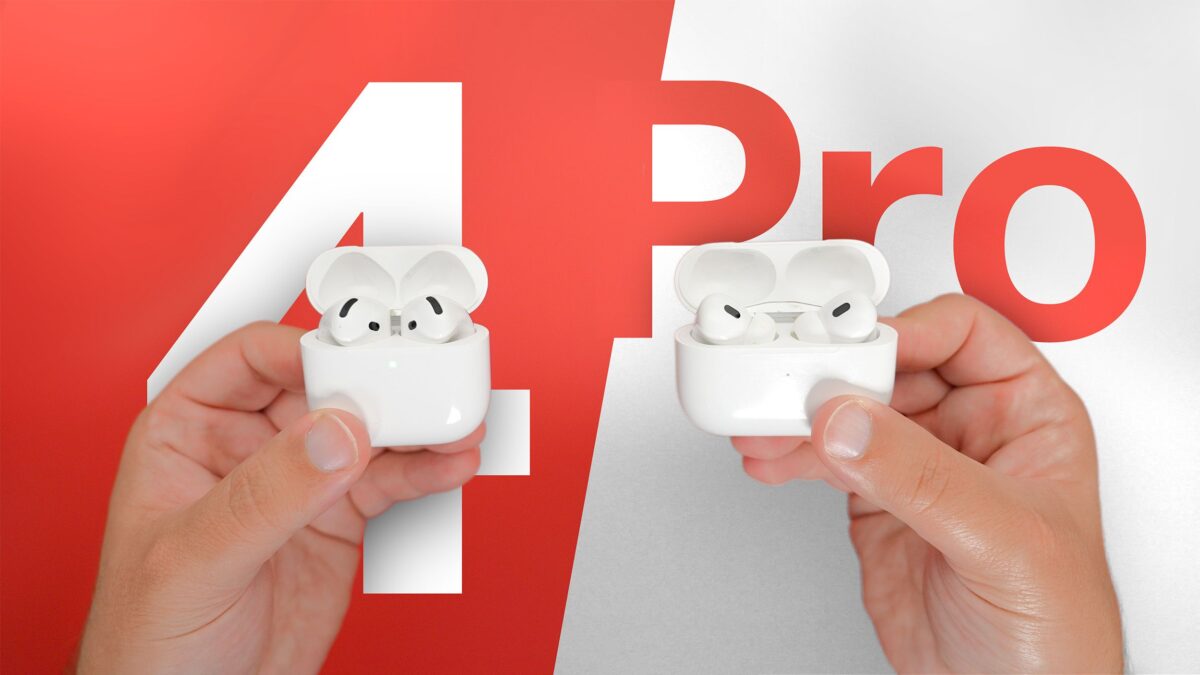
$179 or $249 — that’s the question every Apple user is asking right now. Six weeks after AirPods Pro 3 landed with a heart rate sensor and 4x better noise cancellation, the AirPods 4 with ANC still holds its ground as Apple’s best-value noise-canceling option. I’ve been testing both side by side, and the answer isn’t as obvious as the price gap suggests.
AirPods 4 ANC vs AirPods Pro 3: The Core Design Philosophy Split
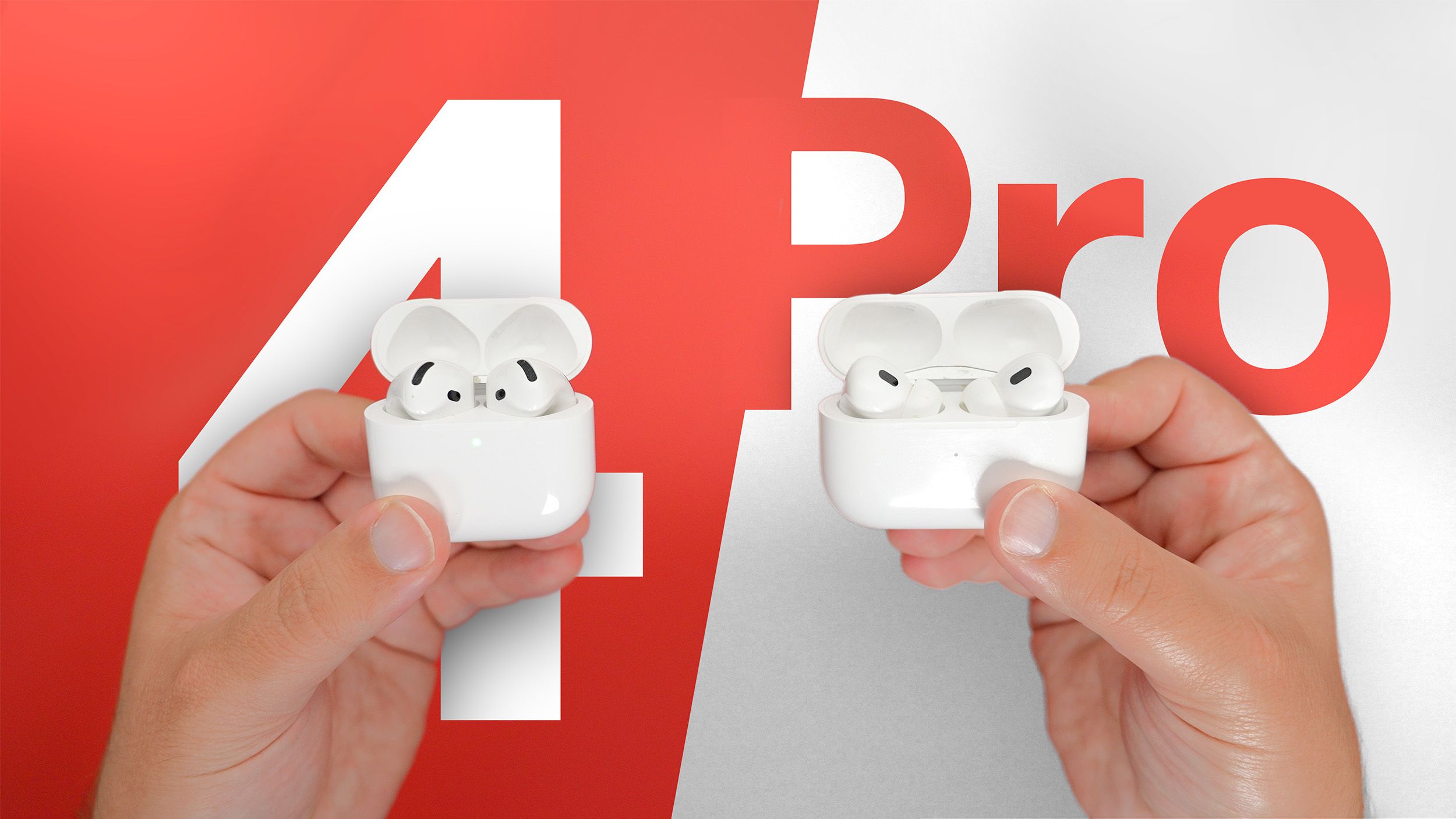
Before diving into specs, understand this fundamental difference: AirPods 4 use an open-ear design with no silicone tips, while AirPods Pro 3 seal your ear canal with foam-infused silicone tips in five sizes. This single design choice ripples through every performance metric — ANC, sound quality, comfort, and battery life.
If you’ve ever hated the feeling of silicone tips pressing into your ear canals, the AirPods 4 ANC vs AirPods Pro 3 debate might already be settled for you. Comfort is subjective, and no amount of superior specs can compensate for earbuds you won’t actually wear.
Noise Cancellation: The $70 Gap Shows Here
Apple claims AirPods Pro 3 deliver 4x more active noise cancellation than AirPods 4 with ANC — and real-world testing backs this up. The Pro 3’s sealed design combined with the new H3 chip blocks noise across the entire frequency spectrum, from subway rumbles to office chatter.
The AirPods 4 ANC, despite its open-ear design, manages surprisingly effective mid-to-high frequency noise reduction — about 20dB in the vocal range. That’s roughly a 75% perceived reduction in loudness for everyday sounds like conversations and keyboard clicks. However, low-frequency noise below 100Hz (airplane engines, train rumble) passes through largely unaffected.
There’s also a practical consideration: Transparency mode. Both models let environmental sound through when you need situational awareness, but the AirPods 4 ANC already provides a semi-transparent listening experience by default due to its open design. The Pro 3’s Transparency mode is technically superior — using microphones to pipe in external audio while maintaining ANC — but the AirPods 4 achieves a similar practical result naturally.
For daily commuters and frequent fliers, AirPods Pro 3 is the clear winner. For office workers who just need to dim ambient chatter, AirPods 4 ANC handles the job remarkably well at $70 less.
Sound Quality: Sealed vs Open Changes Everything
Using SoundGuys’ MDAQS scoring system, the AirPods Pro 2 earned a 4.8 out of 5 — and the Pro 3 is expected to score even higher with its improved driver and chip. The AirPods 4 ANC scored 3.6, which is respectable for an open-ear design but noticeably behind.
The most significant gap is in bass response. AirPods 4 ANC essentially has no sub-bass below 100Hz — physics dictates that open-ear designs can’t reproduce those frequencies effectively. AirPods Pro 3’s sealed fit delivers full-range sound with punchy bass, detailed mids, and crisp highs that compete with dedicated audiophile IEMs at this price point.
If you primarily listen to podcasts and vocal-heavy music, the AirPods 4 ANC sounds perfectly fine. For bass-heavy genres, electronic music, or any content where low-end matters, AirPods Pro 3 is in a different league.
One area where AirPods 4 ANC actually holds a slight edge is spatial audio immersiveness. SoundGuys measured an immersiveness score of 3.8 for the AirPods 4 compared to 3.7 for the Pro 2, suggesting the open-ear design creates a slightly wider soundstage. The Pro 3’s improved spatial audio processing may close this gap, but it’s worth noting that open-ear designs have inherent advantages for creating a natural, speaker-like listening experience.
Battery Life: A Surprising Reversal
AirPods Pro 3 deliver up to 8 hours of listening with ANC enabled — a massive 67% improvement over the Pro 2’s 5 hours 43 minutes. The AirPods 4 ANC offers about 5 hours of listening time with ANC on.
However, the total case capacity tells a different story. AirPods 4’s charging case holds 30 hours total, while AirPods Pro 3’s case provides 24 hours with ANC. For multi-day trips without a charger, the AirPods 4 ANC actually edges ahead on total battery ecosystem.
The Pro 3 case does win on charging versatility — MagSafe, Qi wireless, Apple Watch charger, and USB-C versus USB-C only on the AirPods 4.
Health Features: AirPods Pro 3’s Killer Advantage
This is where AirPods Pro 3 justifies its premium most convincingly. Apple packed three health features that AirPods 4 simply doesn’t have:
- Heart Rate Sensor — A custom-built optical sensor tracks heart rate during workouts. Combined with the Fitness app on iPhone, you can track calories burned and even close your Move ring with just AirPods Pro 3 and an iPhone — no Apple Watch needed.
- Clinical-Grade Hearing Aid — FDA-authorized hearing assistance for mild to moderate hearing loss, including a built-in hearing test.
- Live Translation — Real-time conversation translation supporting English, French, German, Portuguese, and Spanish at launch, with more languages coming by year-end.
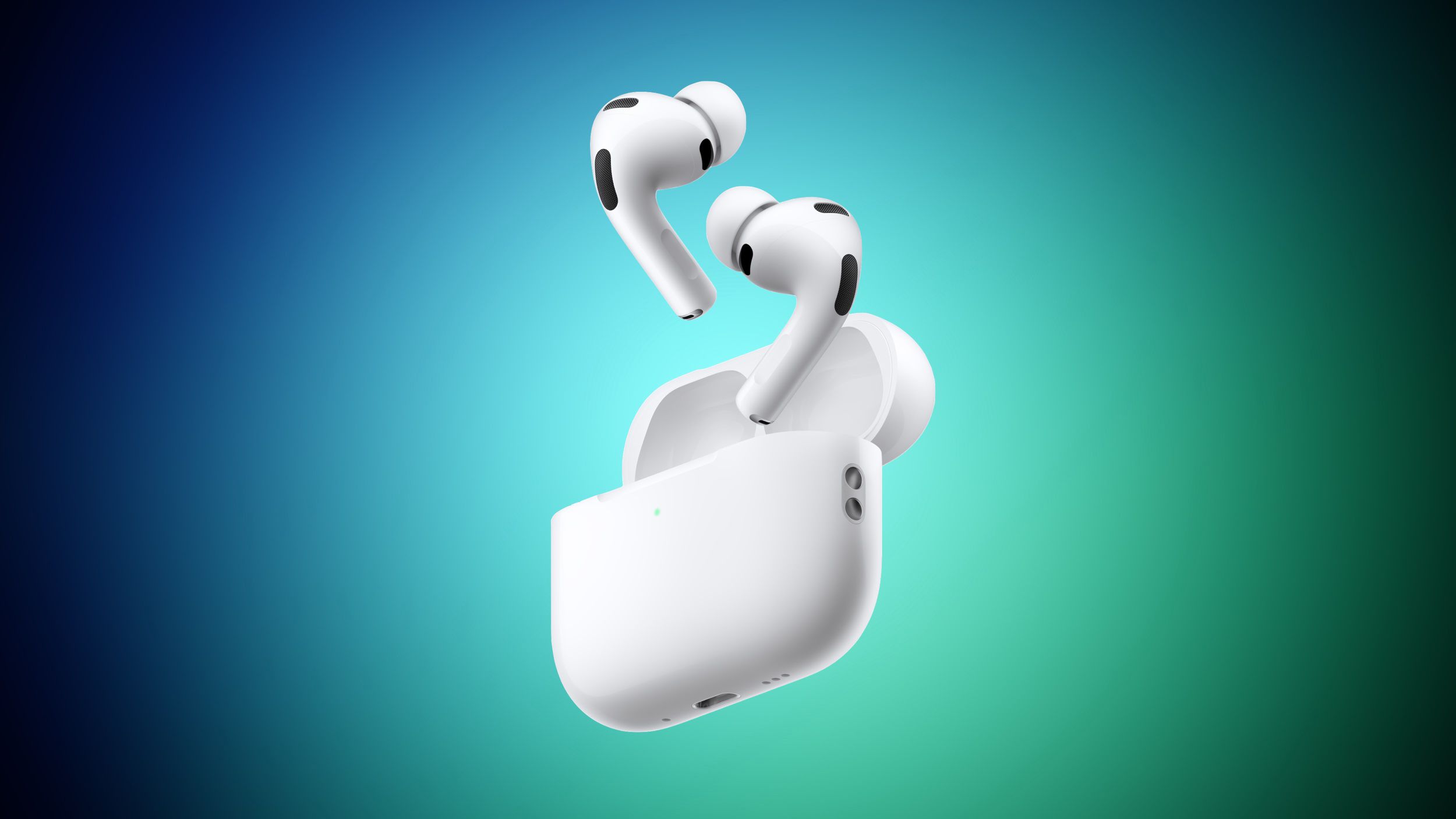
For fitness enthusiasts without an Apple Watch, the heart rate sensor alone could justify the $70 upgrade. Apple’s integration is seamless — start a workout on your iPhone, and the AirPods Pro 3 automatically begin tracking your heart rate, displaying zones in real time. You’ll see your BPM on the Now Playing widget, and all data syncs to Apple Health for long-term trend analysis.
The hearing aid functionality deserves special attention. Previously, clinical-grade hearing aids cost $1,000 to $6,000. AirPods Pro 3 provides FDA-authorized hearing amplification for mild to moderate hearing loss at $249, a fraction of the cost. For the estimated 30 million Americans with some degree of hearing loss, this feature alone makes the Pro 3 one of the most impactful consumer tech products of 2025.
Build Quality and Durability
AirPods Pro 3 carry an IP57 rating — dust-tight and submersible in up to 1 meter of water for 30 minutes. AirPods 4 ANC’s IP54 rating protects against splashes and dust but isn’t rated for submersion. For gym-goers, runners in the rain, or anyone accident-prone around water, the Pro 3’s durability advantage is real.
The Pro 3 case also features a lanyard loop and the U2 chip for Precision Finding — meaning you can locate your case with pinpoint accuracy through your iPhone’s Find My app. AirPods 4’s case has the basic Find My speaker but lacks the precision tracking.
Connectivity is another differentiator. AirPods Pro 3 support both 2.4GHz and 5GHz Wi-Fi bands, enabling faster data transfer for features like lossless audio streaming to Apple Vision Pro. AirPods 4 are limited to 2.4GHz. While this won’t affect most daily usage, it future-proofs the Pro 3 for Apple’s expanding spatial computing ecosystem.
The Verdict: Which AirPods Should You Buy in October 2025?
Buy AirPods 4 with ANC ($179) if: You hate in-ear tips, primarily use earbuds for calls and podcasts, want solid noise cancellation for office environments, or simply want Apple’s ecosystem features at the lowest ANC price point. The open-ear comfort is genuinely superior for extended daily wear.
Buy AirPods Pro 3 ($249) if: You want the absolute best ANC Apple offers, care about bass-heavy music, exercise regularly and want heart rate tracking without an Apple Watch, need hearing assistance features, or frequently travel in noisy environments. The $70 premium buys a significantly more capable device.
The best earbuds are ultimately the ones you’ll actually keep in your ears. If comfort drives your decision, AirPods 4 ANC punches well above its weight class. If performance and features drive your decision, AirPods Pro 3 is the most feature-packed pair of earbuds Apple has ever made — as MacRumors’ comprehensive comparison confirms — and arguably the best wireless earbuds available today at any price.
Want weekly breakdowns of the latest tech, audio gear, and AI tools? Get curated insights delivered straight to your inbox.
Get weekly AI, music, and tech trends delivered to your inbox.