AI Education Tools 2026: 5 Tools Reshaping How Students Learn After CES and NAMM
January 26, 2026
Meta Llama 5 Open Source AI: Complete Roadmap from Behemoth to Avocado in 2026
January 27, 2026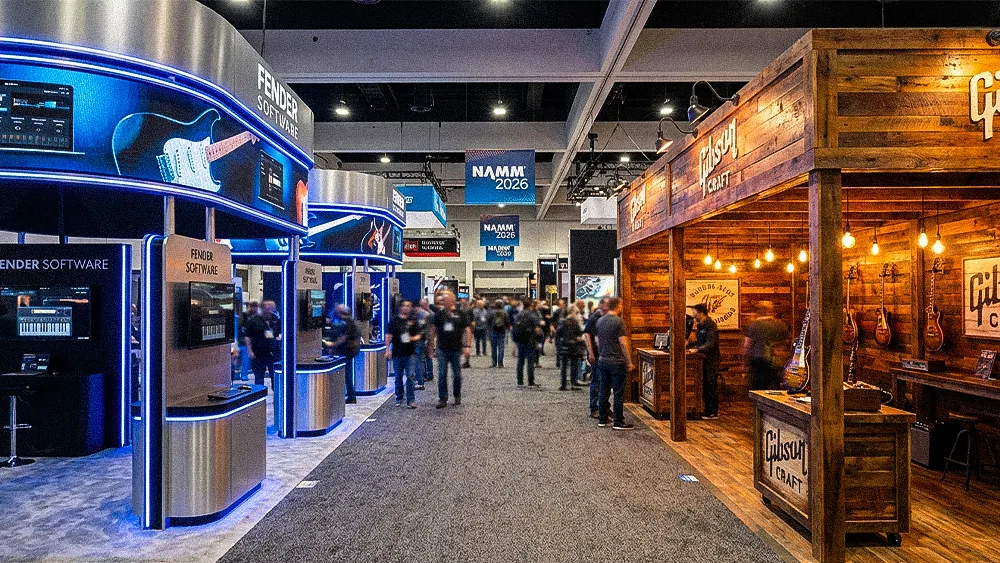
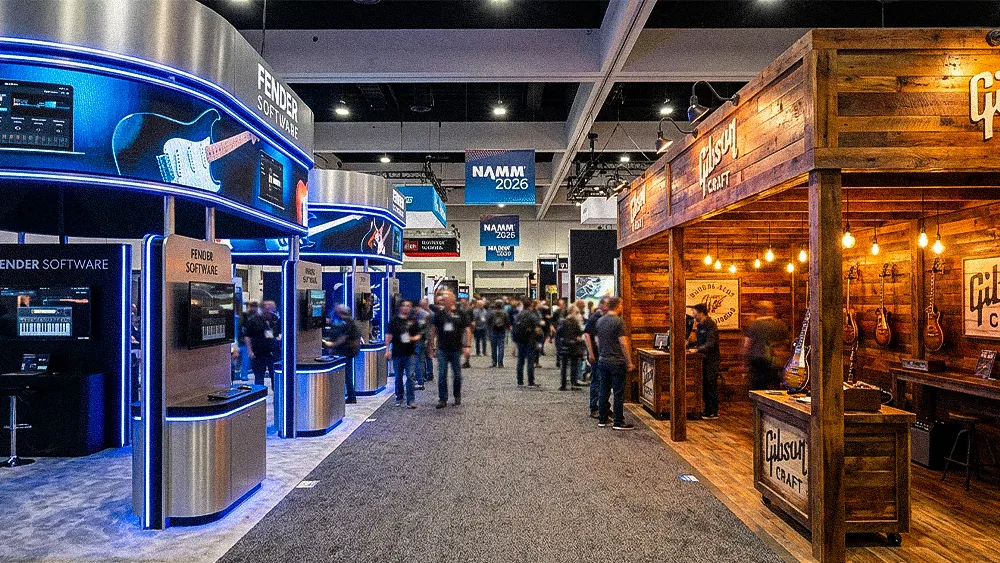
NAMM 2026 just wrapped, and this year the show floor wasn’t dominated by new hardware — it was dominated by AI. Avid announced AI-powered Splice integration inside Pro Tools. Output unveiled Co-Producer, an AI plugin trained exclusively on ethically sourced content. Polyend debuted Endless, an AI pedal that builds effect chains from text descriptions. This wasn’t a peek at the future of AI music production. This was the present, arriving all at once.
But alongside the excitement, there’s a growing tension. A Sonarworks survey of over 1,100 producers found that 77% fear losing their originality to AI. And that fear isn’t unfounded — questions about training data sourcing, copyright ownership, and fair compensation for original creators remain unresolved. Having spent 28+ years in music and audio production, I can say with certainty that this AI wave is fundamentally different from any tech shift I’ve witnessed. The tools are more powerful, which means the ethical stakes are higher than ever.
This guide covers the practical AI music production tools available in 2026 and provides a clear ethical framework for using them responsibly. Whether you’re a seasoned producer or just exploring AI-assisted workflows, this is the roadmap you need.
NAMM 2026 AI Music Production Announcements
The NAMM 2026 show floor made one thing abundantly clear: AI isn’t an add-on anymore — it’s baked into the core tools producers use every day. Here are the standout announcements that matter most for working producers.
Avid + Splice AI in Pro Tools
Avid’s integration of Splice’s AI-powered sample discovery directly into Pro Tools is a workflow game-changer. The system analyzes your session’s key, tempo, and mood, then suggests matching samples without you ever leaving the DAW. For producers who spend hours scrolling through sample libraries, this alone could save significant time in every session. The AI doesn’t make creative decisions for you — it narrows the field so you can make better decisions faster.
Output Co-Producer: The Ethical AI Benchmark
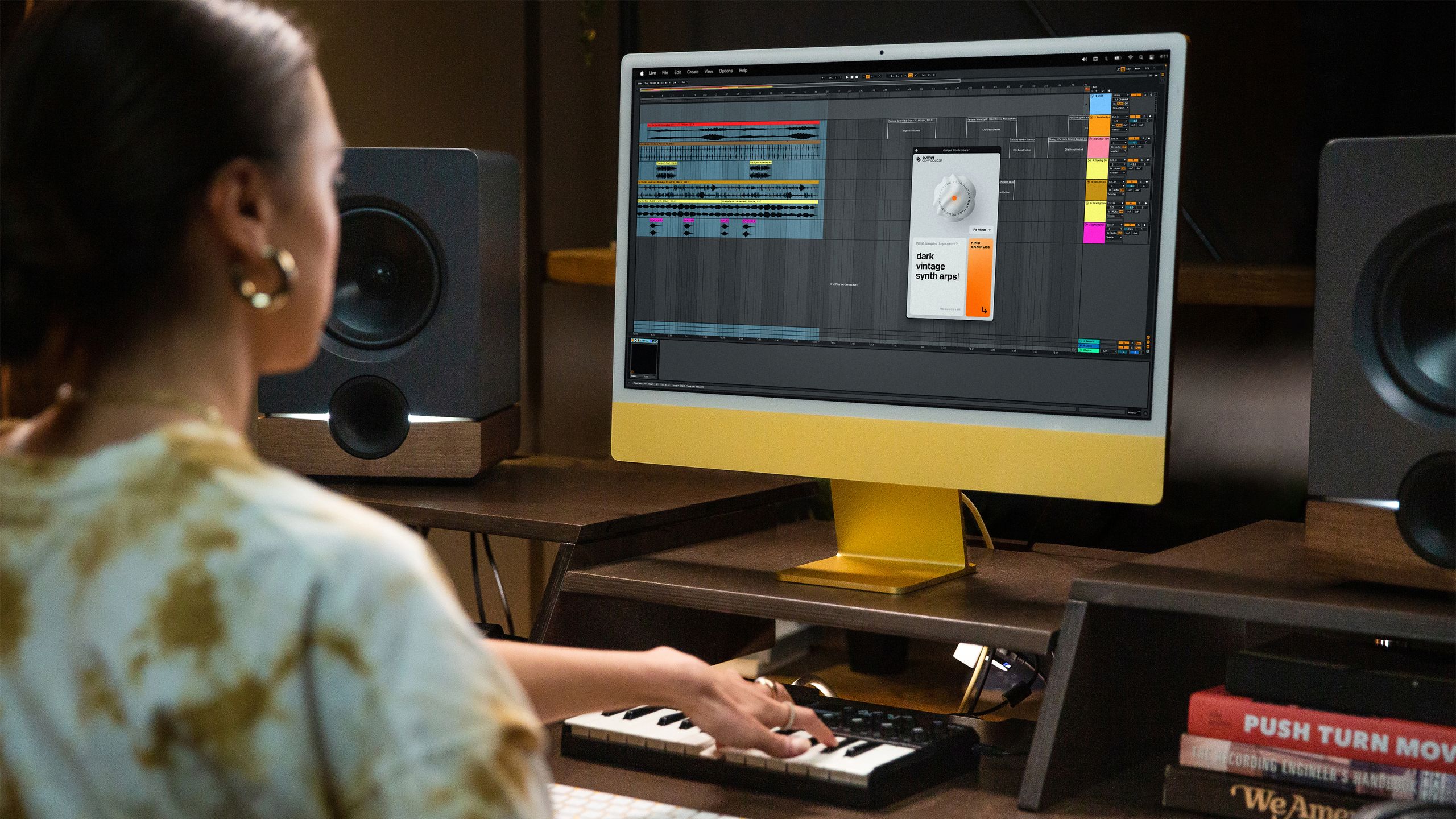
Output’s Co-Producer might be the most important AI music tool launched this year — not because of what it does, but because of how it was built. The plugin listens to your session in real time and finds matching samples from Output’s library. Its “Re-imagine” feature uses AI to generate new variations, but here’s the critical part: the model was trained exclusively on Output’s own royalty-free library and Creative Commons content. No scraped datasets. No unlicensed material.
As MusicRadar reported, this makes Co-Producer a model for responsible AI tool design in music production. It proves that you don’t need to scrape the internet’s creative output to build a powerful AI tool. You just need to be intentional about your training data.
Polyend Endless and LANDR Updates
Polyend’s Endless pedal takes a novel approach: type a text description of the effect you want (“warm tape echo with subtle chorus”), and the AI configures the parameters for you. It’s a compelling example of AI as creative assistant rather than creative replacement.
LANDR also made significant updates. Blueprints analyzes a reference track and auto-suggests mixing and mastering settings. Layers provides AI-powered stem separation with noticeably improved quality over previous generations. Both tools position AI as a way to reduce friction in existing workflows rather than replacing creative judgment.
The AI Music Generation Landscape: Suno, Udio, and AIVA in 2026
Beyond the pro-level DAW integrations, the consumer AI music generation market has exploded in scale. Understanding these platforms is essential for any producer navigating AI music production in 2026.
Suno: Scale and Controversy
Suno has crossed 100 million users and reached a $2.4 billion valuation. Its ability to generate complete, polished songs from text prompts is genuinely impressive. But that scale comes with scrutiny. Suno faces ongoing copyright lawsuits regarding its training data, and the platform’s licensing terms for commercial use require careful review. If you use Suno-generated material in a commercial release, you need to understand exactly what you own and what you don’t.
Udio: Stem-Level Control
Udio differentiates itself with granular stem control. You can independently adjust vocals, drums, bass, and melody in AI-generated tracks. This makes it far more useful as a production collaboration tool than a full-replacement generator. For producers who want AI-generated starting points that they can then reshape with their own production techniques, Udio’s approach is the most practical.
AIVA: Ownership and MIDI Export
AIVA occupies a unique position: it exports MIDI files, and the ownership of generated music transfers to the user. This is significant for several reasons. MIDI export means you can take AI-generated compositions into your DAW and completely rework them — change instruments, adjust timing, modify harmonies. You’re using AI as a compositional starting point, not a finished product. AIVA excels in film scoring, game audio, and background music, particularly in classical and synthesizer-driven genres.
The common thread across all these tools? According to AIjourn’s analysis, the hybrid approach — human creativity combined with AI assistance — delivers the most value for experienced musicians. AI works best when it handles the tedious parts (sample searching, initial arrangement sketches, stem separation) while humans handle the creative decisions.
The Three Pillars of Ethical AI Music Production
No matter how powerful AI tools become, they’re only as sustainable as their ethical foundation. Soundraw’s ethical AI framework outlines three pillars that every producer should evaluate when choosing AI tools.
Pillar 1: Consent
Was the AI model trained on legally licensed data? This is the most fundamental question you can ask about any AI music tool. Output Co-Producer’s approach — training exclusively on their own royalty-free library and Creative Commons content — sets the standard. Tools that scrape music from the internet without permission fail this test entirely. Before adopting any AI tool, investigate its training data sources. If the company can’t or won’t disclose them, that’s a red flag.
Pillar 2: Attribution
Can AI-generated outputs be traced back to their source influences? The EU AI Act is strengthening transparency requirements for AI-generated content, and the US Copyright Office is refining its registration criteria for AI-assisted works. As a producer, disclosing AI usage in your work is rapidly becoming an industry standard, not just an ethical choice. Document which AI tools you used and for what purpose in every project.
Pillar 3: Compensation
Are original creators whose work contributed to AI training being fairly compensated? This isn’t just a moral question — it’s evolving into a legal requirement. Some platforms have already introduced revenue-sharing models that distribute a portion of AI-generated income to training data contributors. Supporting tools that implement fair compensation models isn’t just ethical — it’s investing in a sustainable creative ecosystem.
What 1,100+ Producers Actually Think About AI
The Sonarworks 2026 producer survey provides the most comprehensive snapshot of how working producers feel about AI. The findings reveal a nuanced picture that goes beyond simple acceptance or rejection.
- 77% worry about losing originality — This isn’t technophobia. It’s a legitimate concern about creative identity in an era when AI can generate convincing music in seconds.
- Ethical AI as professional obligation — A significant number of respondents view using ethically trained AI tools as a professional responsibility, not just a personal preference.
- Ideation and mixing are primary AI use cases — Producers are most comfortable using AI for generating initial ideas and assisting with mixing decisions. They’re least comfortable with AI handling final creative choices.
- Human control is non-negotiable — The overwhelming consensus is that final creative authority must remain with the human producer. AI should inform decisions, not make them.
Perhaps the most interesting finding: producers who expressed the strongest concerns about AI were also the most likely to adopt ethical AI tools. They don’t reject AI — they demand AI that’s built the right way.
Practical Guide: Building Your Ethical AI Music Production Workflow
Theory is useful, but you need actionable steps. Here’s a practical framework you can implement in your studio starting today.
Step 1: Audit Your AI Tools’ Training Data
Before adding any AI tool to your workflow, check where its training data comes from. Prioritize tools like Output Co-Producer (royalty-free/CC training data) and AIVA (user-owned MIDI exports). If a tool’s training data origins are opaque, consider alternatives. This single step eliminates most ethical risk.
Step 2: Use AI as a Starting Point, Not a Finish Line
Never use AI-generated material as-is in a final production. Treat AI outputs — drum patterns, melodic sketches, chord progressions — as raw material that needs your creative interpretation. Add your own layers, processing, and arrangement decisions. Udio’s stem control is specifically designed for this kind of hybrid workflow. The more human creative input you add, the stronger both your copyright claim and your artistic identity.
Step 3: Document Everything
Keep session notes on AI usage. Record which tools you used, what they generated, and how you modified the output. This documentation serves multiple purposes: EU AI Act compliance, copyright dispute protection, and simply maintaining a clear record of your creative process. A simple text file per project is enough — just be consistent.
Step 4: Verify Copyright Status Before Commercial Release
Copyright rules for AI-generated music vary by jurisdiction. The US Copyright Office currently does not grant copyright to purely AI-generated works but does recognize copyright when a human makes substantial creative contributions. For any commercial project, verify the copyright status of AI-assisted elements before release. When in doubt, consult with an entertainment attorney who specializes in AI-related intellectual property.
Step 5: Stay Current on Regulation
AI music regulation is evolving rapidly. The EU AI Act, US Copyright Office guidance, and individual platform terms all change frequently. Subscribe to industry publications, follow organizations like A3E (Advanced Audio + Applications Exchange) that hosted key sessions on AI ethics at NAMM 2026, and review your AI tool terms of service at least quarterly.
The future of AI music production isn’t about choosing between human creativity and artificial intelligence. It’s about combining them with intention and integrity. NAMM 2026 showed us that the industry is already moving toward ethical AI as the default — not the exception. Tools like Output Co-Producer gain market attention not just for their features, but for how they were built. Building your own ethical AI workflow isn’t just a moral choice — it’s becoming a competitive advantage and a defining skill for producers in 2026 and beyond.
Looking to optimize your AI-assisted production pipeline or need professional mixing and mastering from someone who’s been in the studio for 28+ years?
Get weekly AI, music, and tech trends delivered to your inbox.