Intel Core Ultra 9 290HX Plus vs AMD Ryzen 9 8940HX: The Definitive 2026 Gaming Laptop CPU Showdown
March 31, 2026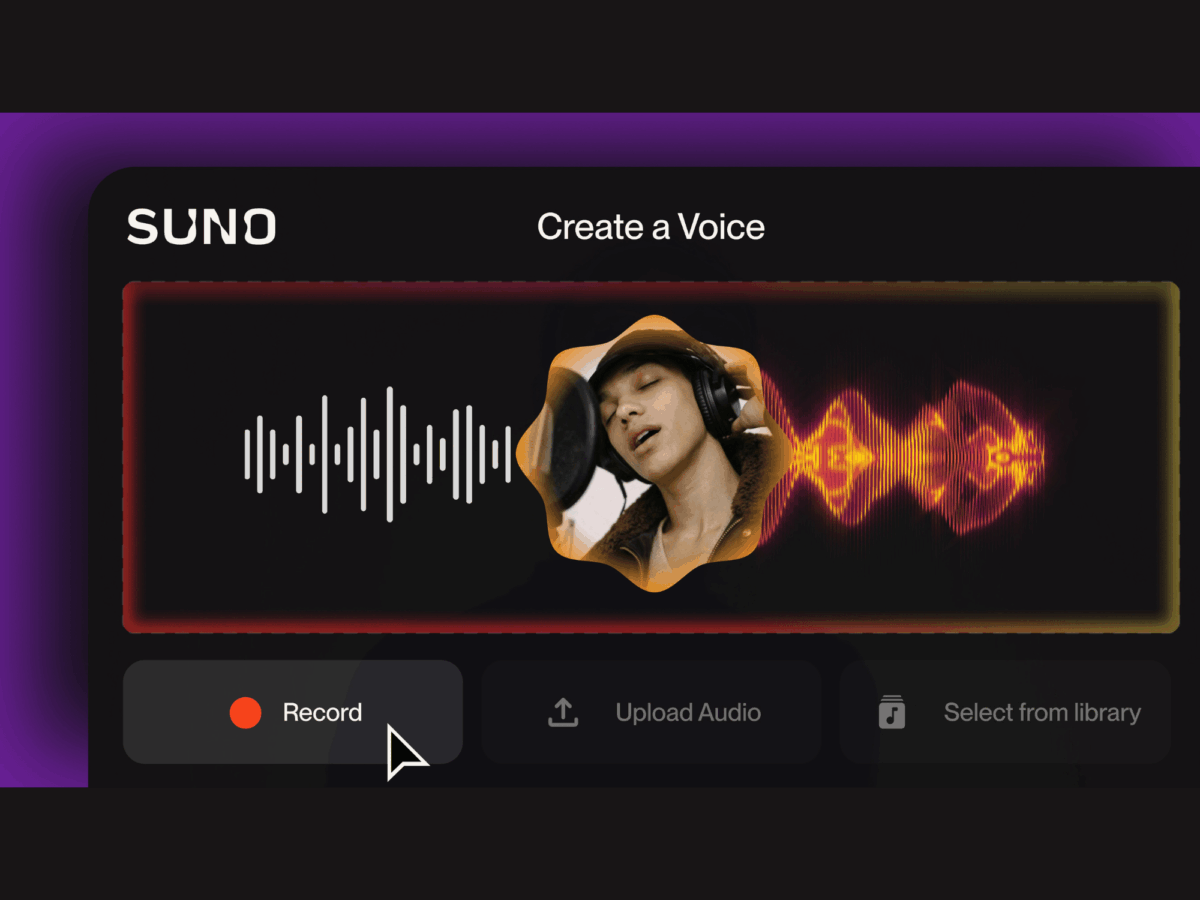
Less than two years ago, the music industry was trying to destroy AI music. The RIAA filed $500 million in lawsuits. Major labels called Suno and Udio existential threats. And now? Warner Music is signing partnership deals with both of them. If you think that pivot happened by accident, you haven’t been paying attention to how AI music licensing 2026 is reshaping the entire industry.

The Timeline: From $500M Lawsuits to Handshake Deals
The transformation from litigation warfare to licensing partnerships happened faster than anyone predicted. Here’s how we got here.
In June 2024, the RIAA filed massive copyright infringement lawsuits against both Suno and Udio in Boston and New York federal courts, on behalf of all three major labels — UMG, Sony Music, and Warner Music Group. The damages sought exceeded $500 million combined. The message was clear: AI music generators had trained on copyrighted recordings without permission, and the labels wanted blood.
Then something shifted. By October 2025, UMG settled with Udio, and the two companies announced plans to build a licensed AI music subscription platform launching in 2026. The settlement included artist opt-in controls and revenue sharing for both training and output — a framework nobody was talking about just a year earlier.
Warner Music moved even faster. In November 2025, Warner settled with Udio, signing a deal for a next-generation AI platform spanning both recorded music and publishing. Days later, Warner settled with Suno too — making it the first major label to reach agreements with both AI music platforms.
Fast forward to March 2026. While Warner and UMG are building AI partnerships, GEMA (Germany’s performing rights organization) is taking Suno to court in what could become the most significant European AI copyright ruling to date. And the big one — the UMG v. Suno fair use ruling — is expected this summer.
Settlement Deep Dive: Who Settled What (and Who Didn’t)
Not all three major labels took the same approach, and the differences matter enormously for the future of AI music licensing 2026 and beyond.
Warner Music Group: The Dealmaker
Warner settled with both Suno and Udio, making it the most aggressive label in the partnership space. The Warner-Suno deal is particularly interesting: it includes Songkick integration for live event discovery, suggesting Warner sees AI music as a gateway to broader fan engagement, not just a licensing revenue stream.
UMG: Strategic but Selective
Universal Music Group settled with Udio in October 2025 and is co-building a licensed subscription platform. But UMG’s case against Suno remains active — and the fair use ruling expected this summer could set the legal precedent for the entire AI music industry. UMG appears to be hedging: partner where it makes sense, but keep litigation alive where a favorable ruling could establish industry-wide standards.
Sony Music: The Holdout
Sony has not settled with either Suno or Udio. As legal analysts at Norton Rose Fulbright have noted, Sony’s holdout strategy may be a deliberate bet on getting a stronger court ruling that would give it more leverage in future negotiations. With UMG, Sony, and Warner controlling roughly 65-70% of the recorded music market, Sony’s position has significant weight.
Platform Changes: Suno vs. Udio — Two Different Futures
What’s fascinating about the settlement aftermath is how differently Suno and Udio are evolving. As Billboard’s analysis makes clear, these two platforms are heading in fundamentally different directions.
Suno: Licensed Creation, With Limits
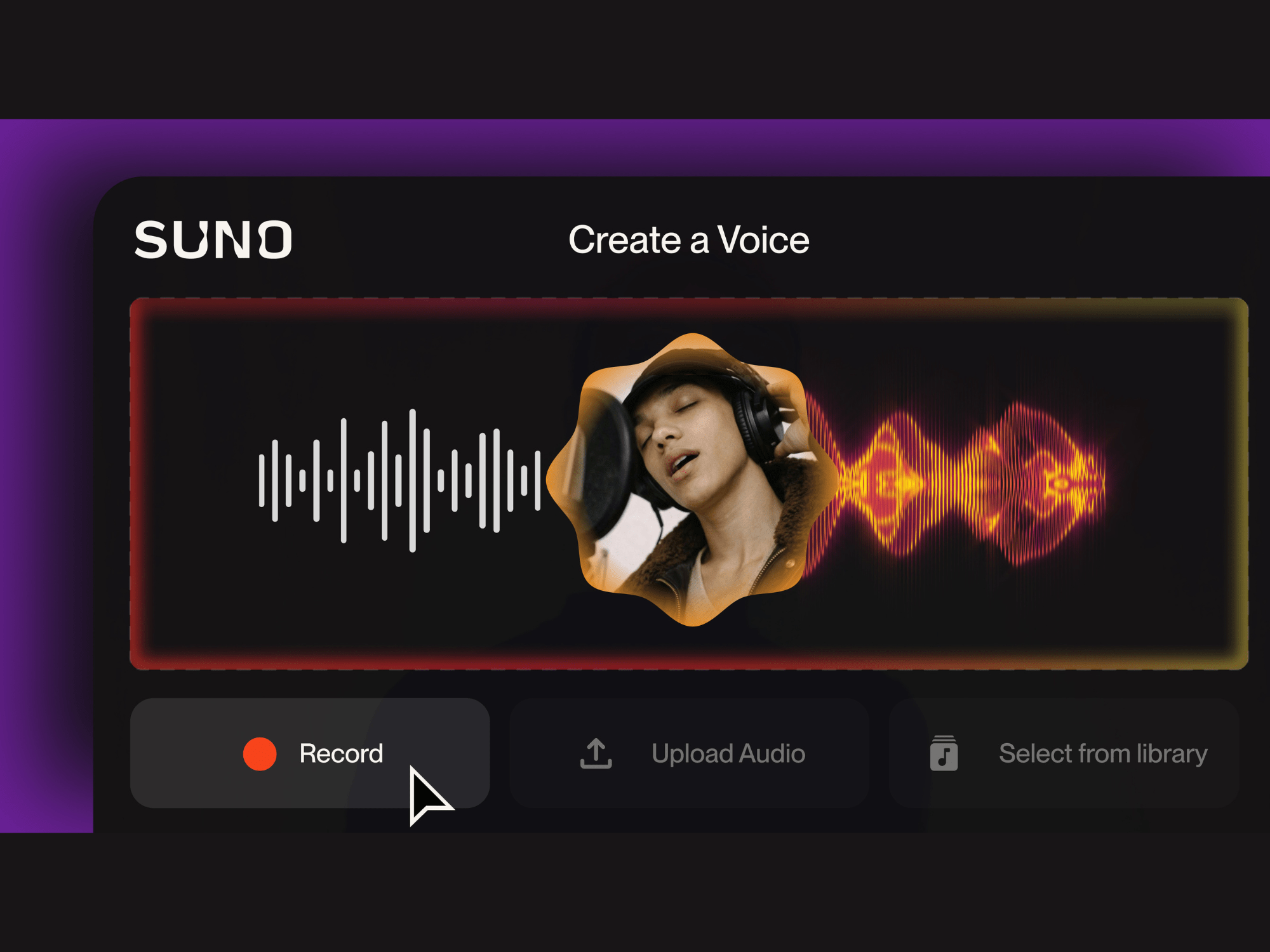
Suno is keeping its core AI music creation model but transitioning to licensed training data. The changes are significant for users: free tier accounts will lose download capabilities entirely — tracks will be playable and shareable only within the Suno ecosystem. Paid subscribers keep download access but with monthly caps. In March 2026, Suno added a “Voices” feature giving artists opt-in control over their names, voices, likenesses, and compositions — clearly preparing for the licensed model era.
Udio: The Walled-Garden Pivot
Udio’s transformation is far more dramatic. The platform is pivoting from an open creation tool to a walled-garden fan engagement platform. Users can remix and mashup licensed music, but their creations cannot leave the platform. This is fundamentally different from Udio’s original vision as a music creation tool and represents a complete strategic pivot toward label-friendly fan interaction.
GEMA and the European Front
While American settlements grab headlines, a landmark case is unfolding in Germany. On March 9, 2026, GEMA (Germany’s performing rights organization) brought Suno to a German court in what could become the most consequential European AI copyright case yet.
The evidence presented was striking: GEMA demonstrated that AI outputs closely matched original copyrighted works in melody, harmony, and rhythm — not just in style or genre, but in specific musical elements. A ruling is expected by June 2026, and legal experts believe it could influence global AI copyright policy, particularly within the EU’s existing framework of stricter digital regulation.
This matters because even if American courts lean toward fair use, a strong European ruling against AI training on copyrighted music could force platforms to implement different models for different markets — a compliance nightmare that would effectively make licensing the path of least resistance worldwide.
AI Music Detection: The 60,000 Track Problem
Beyond the legal battles, there’s a practical crisis unfolding on streaming platforms. Deezer has reported receiving approximately 60,000 AI-generated tracks per day — accounting for 39% of all daily uploads. The platform has deployed proprietary detection technology and excludes identified AI tracks from algorithmic recommendations and editorial playlists.
Apple Music launched its Transparency Tags system in March 2026, an optional metadata framework that flags AI involvement in tracks. The word “optional” is doing heavy lifting there — without mandatory disclosure requirements, the system relies on uploaders self-reporting AI usage. The effectiveness of voluntary compliance in an industry where undisclosed AI usage can mean the difference between playlist placement and algorithmic exile remains to be seen.
These detection efforts highlight an uncomfortable reality: the volume of AI-generated music is already overwhelming traditional curation systems. Whether the industry response is licensing, detection, or both, the sheer scale of AI music production has fundamentally changed the distribution landscape.
My Take: What 28 Years in Audio Taught Me About This Shift
I’ve been in the music and audio production industry for 28 years. I’ve watched the CD-to-digital transition, the rise of home studios, the streaming revolution, and the loudness wars. Every single one of those shifts had people predicting the death of professional music. None of them delivered that death blow — but every one of them permanently changed who makes money and how.
That’s what I see happening with AI music licensing right now. The labels didn’t pivot from lawsuits to partnerships because they had a change of heart. They did the math. Fighting AI music in court costs hundreds of millions and takes years. Licensing AI music creates a new revenue stream immediately. Warner understood this first — which is why they settled with both platforms while Sony is still spending on lawyers.
What worries me as a studio owner at Greit Studios is the middle layer. The labels will be fine — they own the catalogs, and now they’re getting licensing fees from AI platforms on top of streaming royalties. The AI platforms will be fine — they’ve secured the legal right to operate. But session musicians, independent producers, the people who actually create the music that these AI models learned from? They’re not at the negotiation table. The independent artist class action working its way through the courts right now is the case I’m watching most closely.
From the production side, I also see an opportunity that most people are missing. Licensed AI tools with proper attribution could actually create work for skilled producers. Someone has to curate, mix, master, and quality-control AI-generated content. The 60,000 daily AI tracks flooding Deezer are mostly terrible — and the ones that aren’t terrible still need human polish. That’s where studios and experienced engineers find their place in this new ecosystem.
What’s Next for AI Music Licensing 2026: The Summer Fair Use Ruling
Everything in the AI music licensing landscape converges on one moment: the UMG v. Suno fair use ruling expected this summer. If the court rules that training AI on copyrighted music constitutes fair use, it validates every AI music platform’s foundational approach — even the ones that have already settled. If the court rules against fair use, it gives Sony and every rights holder who hasn’t settled enormous leverage in future negotiations.
Either way, the licensing deals aren’t going away. Warner and UMG have already built their AI partnerships, and those agreements exist independent of the fair use question. But the ruling will determine whether AI music companies negotiate from a position of legal necessity or legal choice — and that distinction will shape pricing, revenue splits, and artist control for the next decade.
The $500 million lawsuit era is effectively over, and AI music licensing 2026 has entered a new phase. What replaces it — a fair, transparent licensing ecosystem or a label-dominated walled garden — depends on what happens in courtrooms and boardrooms over the next six months. For anyone in music production, audio engineering, or the broader creative industry, this is the most consequential shift since streaming. And it’s happening right now.
AI music licensing is reshaping studio workflows and production pipelines. If you’re navigating this shift and need professional mixing, mastering, or production consultation, let’s talk.
Get weekly AI, music, and tech trends delivered to your inbox.