How to Create Professional FL Studio Beats: 7 Steps From Blank Project to Final Mix
May 23, 2025
AI Music Copyright Suno Udio Lawsuits: The Copyright Office Just Changed Everything
May 26, 2025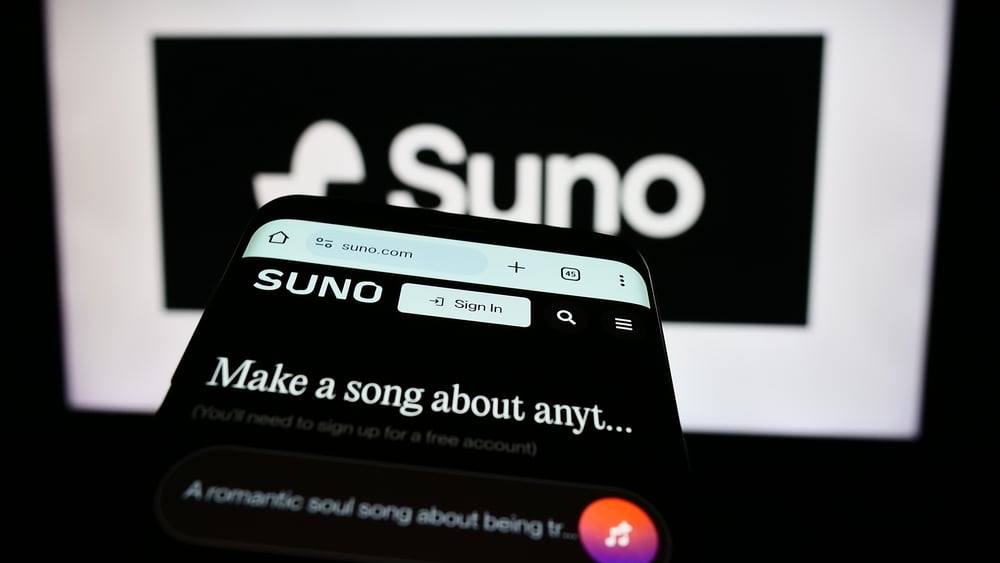
$150,000 per infringed work. That is the price tag the world’s three largest record labels placed on every song allegedly scraped by AI music generators Suno and Udio when they filed dual lawsuits in June 2024. Eleven months later, neither side has blinked. The AI music copyright lawsuits Suno Udio have now entered the most revealing phase of litigation — discovery — and what is emerging from the courtroom filings could reshape how every AI company handles copyrighted training data.
AI Music Copyright Lawsuits Suno Udio: The Cases That Could Define an Era
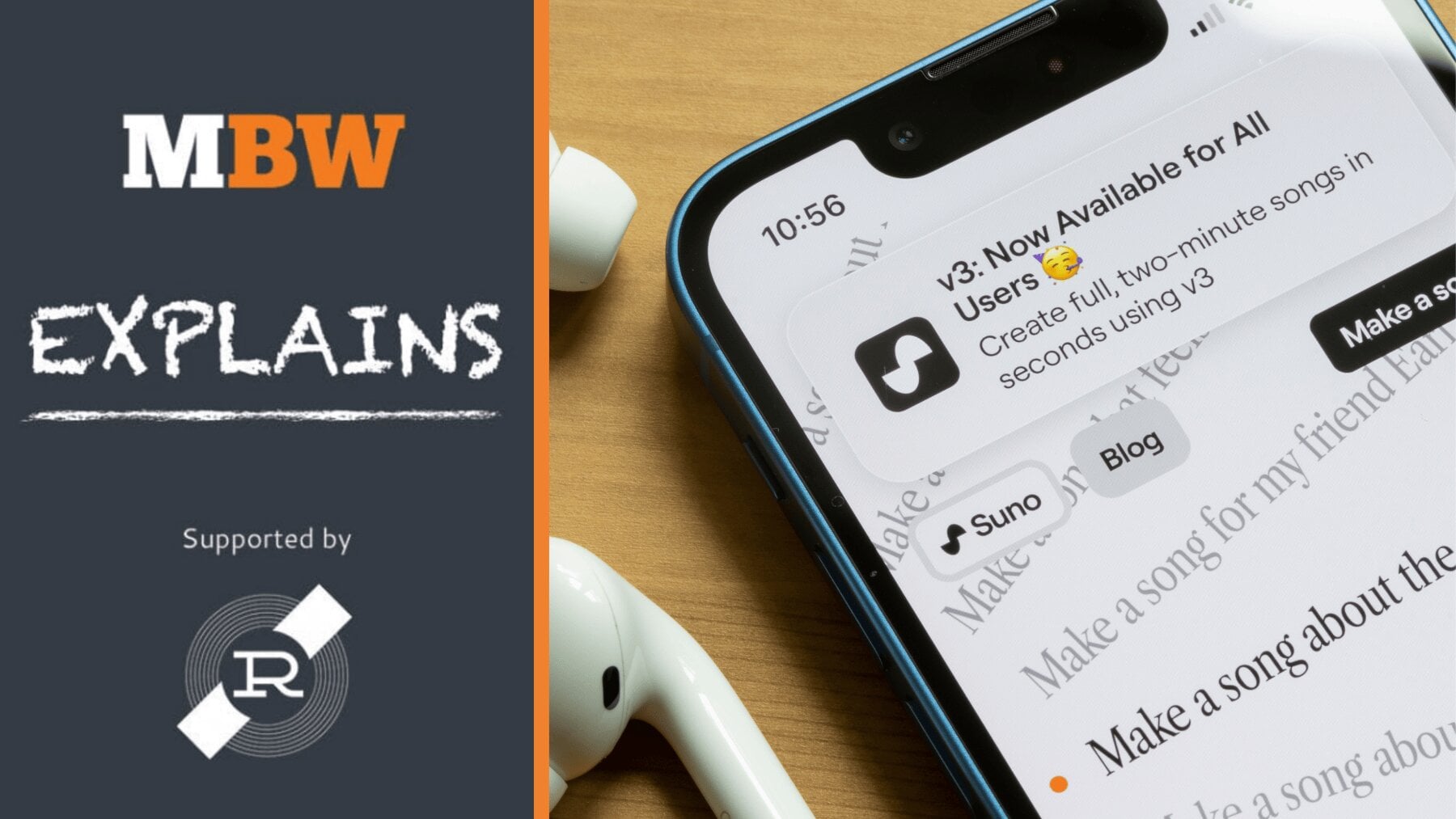
On June 24, 2024, the RIAA announced that Sony Music, UMG Recordings, and Warner Records had simultaneously filed copyright infringement suits against Suno Inc. in the District of Massachusetts and Udio (Uncharted Labs) in the Southern District of New York. The complaints allege that both companies ingested vast catalogs of copyrighted music to train their generative AI models without permission, producing outputs that could mimic the vocal styles of Michael Jackson, Bruce Springsteen, ABBA, Mariah Carey, and dozens more.
The stakes are enormous. The labels seek statutory damages of up to $150,000 per work infringed, plus $2,500 per act of technological circumvention. With potentially thousands of works at issue, the total exposure could reach into the billions. But money is only part of the equation. These cases will likely produce the first binding judicial analysis of whether training AI on copyrighted sound recordings qualifies as fair use under U.S. copyright law.
What Happened in Discovery: Udio’s Key Victory in April 2025
The most significant procedural development came on April 28, 2025, when Judge Hellerstein in the Southern District of New York granted Udio’s motion to compel UMG to produce deposit copies of the sound recordings at issue — essentially the actual audio files the labels claim were infringed. The court also ordered UMG to turn over artist-label work-made-for-hire (WMFH) agreements, which are critical to establishing whether the labels actually own the copyrights they are asserting.
This was a major win for Udio. By gaining access to both the recordings and the underlying ownership agreements, the defense can now scrutinize whether UMG’s copyright claims are as airtight as they appear. If even a fraction of the asserted works turn out to be owned by artists rather than the label, portions of the case could collapse.
Suno quickly followed suit, filing a nearly identical discovery request in the Massachusetts case. Rather than fight the motion, UMG and Suno reached a joint stipulation agreeing to the production of digital deposit copies — a pragmatic concession that suggests the labels recognized the writing on the wall after the Udio ruling.
Suno’s Fair Use Defense: The “No Sample” Argument
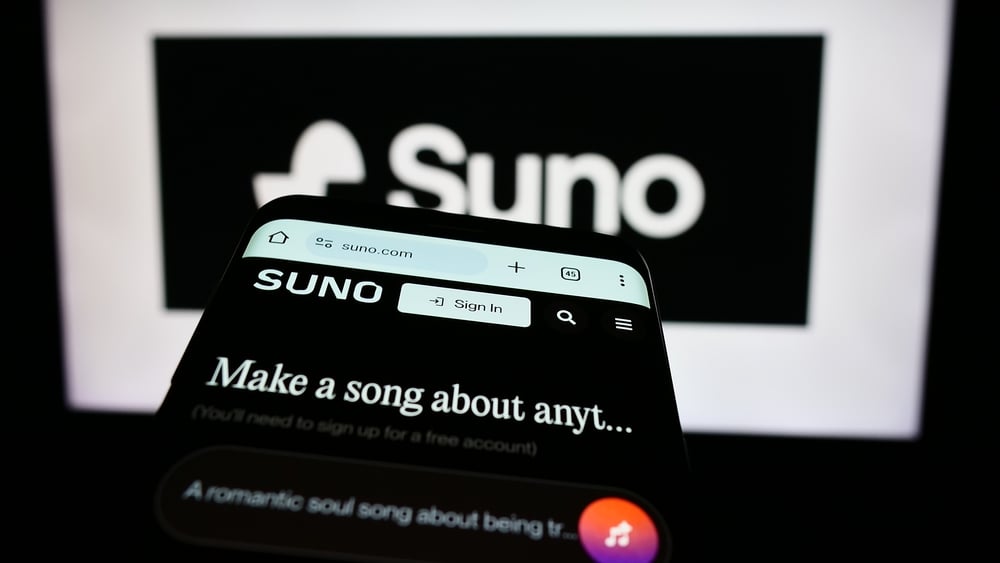
Suno’s legal strategy has centered on a bold claim: its AI generates entirely new sounds rather than copying or stitching together samples from training data. Filed in August 2024, the fair use defense leans heavily on Section 114(b) of the Copyright Act, which requires an actual sample — a literal copying of a sound recording — for sound recording infringement to occur.
The argument is elegant but untested. If Suno can demonstrate that its model learns patterns and relationships rather than memorizing and regurgitating specific audio, it could undermine the labels’ core claim. However, the labels have countered with evidence that users can generate outputs strikingly similar to specific copyrighted songs, including recognizable vocal characteristics of artists like The Temptations and James Brown.
The legal precedent here is thin. Traditional sampling law, established in cases like Bridgeport Music v. Dimension Films, dealt with literal copies of recorded audio. AI-generated music operates in fundamentally different territory — the model does not store or retrieve audio clips, but it does encode statistical representations of what music sounds like based on its training data. Whether those statistical representations constitute a “copy” under copyright law is the central unresolved question. Courts will need to develop new analytical frameworks because existing case law simply was not written for this technology.
Adding another layer of complexity, Suno has pointed to recent court decisions in parallel AI cases as favorable precedent. The company cited Bartz v. Anthropic and Kadrey v. Meta, both involving text-based AI, where courts expressed skepticism about broad infringement claims based on training data alone. Whether these text-based precedents will transfer to music — where the outputs more directly compete with originals — remains to be seen.
The US Copyright Office Weighs In: Part 3 of the AI Report
On May 9, 2025, the US Copyright Office released the pre-publication version of Part 3 of its landmark AI report, specifically addressing AI training on copyrighted works. The findings are nuanced but lean toward the labels’ position on a critical point: the report concluded that AI music generation is only “modestly transformative” because it serves the same audience and purpose as original works.
This language matters enormously for the Suno and Udio cases. Under the four-factor fair use test, the “transformative” nature of the use and its effect on the market for the original work are the two most heavily weighted considerations. If a court adopts the Copyright Office’s framing, Suno’s and Udio’s fair use defenses become significantly harder to sustain.
That same day, the House Administration Committee held a two-hour roundtable in Nashville with music industry stakeholders to discuss AI’s impact on copyright. According to the Copyright Alliance’s summary, the discussion reinforced a growing consensus among legislators that some form of intervention may be necessary — though the Copyright Office itself cautioned that government-mandated licensing frameworks would be premature given the rapidly evolving technology.
The Discovery Timeline: What Comes Next
With the document discovery deadline extended to October 3, 2025, both cases are entering a critical data-exchange phase. Here is the current timeline:
- June 24, 2024: RIAA files dual lawsuits against Suno (D. Mass.) and Udio (SDNY)
- August 2024: Suno files answer asserting fair use defense
- Q1 2025: Discovery battles intensify over deposit copies and WMFH agreements
- April 10, 2025: Suno files discovery request mirroring Udio’s successful motion
- April 28, 2025: Judge Hellerstein grants Udio’s motion to compel in SDNY
- May 9, 2025: US Copyright Office releases Part 3 of AI report; Nashville roundtable held
- October 3, 2025: Document discovery deadline (both cases)
No trial dates have been set. No settlements have been announced. And critically, no court has yet ruled on the substance of the fair use defense in either case. The October discovery deadline will determine how much evidence each side has to work with when summary judgment motions are eventually filed — likely in late 2025 or early 2026.
One particularly important dimension of discovery involves the technical inner workings of Suno’s and Udio’s AI models. The labels have signaled interest in deposing the companies’ machine learning engineers and examining training data logs. If those logs reveal that specific copyrighted recordings were included in training datasets — and that the models can reproduce recognizable elements of those recordings — it would significantly strengthen the infringement claims. Conversely, if the AI companies can show that their models genuinely generate novel audio without referencing specific training examples, the fair use argument gains substantial credibility.
The Bigger Picture: Legislative and Industry Pressure
These lawsuits do not exist in a vacuum. The NO FAKES Act, which would create federal protection against unauthorized AI-generated replicas of voices and likenesses, gained significant momentum in April 2025 with over 400 artist signatures in support. A Senate Judiciary hearing titled “The Good, the Bad, and the Ugly: AI-Generated Deepfakes in 2025” is scheduled for May 21, adding legislative pressure alongside the judicial proceedings.
Meanwhile, the broader AI copyright landscape continues to develop. The Suno and Udio cases are just the music industry’s front in a multi-front war. Text-based AI companies face similar suits from publishers and authors. Visual AI generators are battling artists and stock photo agencies. But music may prove to be the most consequential battleground because of the unique economics: unlike text or images, a single AI-generated song can directly compete with and substitute for a specific copyrighted recording in streaming playlists and licensing markets.
Why This Matters for the Music Industry — and Everyone Else
The outcome of these cases will establish precedent far beyond music. If the courts find that training AI on copyrighted works constitutes fair use, it effectively creates a legal framework for any AI company to ingest any creative work without compensation. If the labels prevail, AI companies will need to negotiate licensing deals — creating a new revenue stream for rights holders but potentially slowing AI development.
For music producers, artists, and audio professionals, the stakes are personal. If AI-generated music can legally compete with human-created recordings without compensation to the original creators, it fundamentally alters the economics of music production. Streaming platforms already pay fractions of a cent per play. An unlimited supply of AI-generated music competing for the same listener attention could push those rates even lower.
The question is not whether AI music generation will continue to advance — it will. The question is whether the people whose creative work trained these systems will have any say in how that work is used, and whether they will be compensated for it. The discovery documents emerging from these cases over the next five months will go a long way toward answering that question.
Get weekly AI, music, and tech trends delivered to your inbox.