Music Production Trends 2025 Recap: AI Settlements, Spatial Audio Takeover, and the Open-Source Surge
December 17, 2025
Home Studio 2026 Upgrade Priorities Guide: Where to Invest First (From a 28-Year Veteran)
December 18, 2025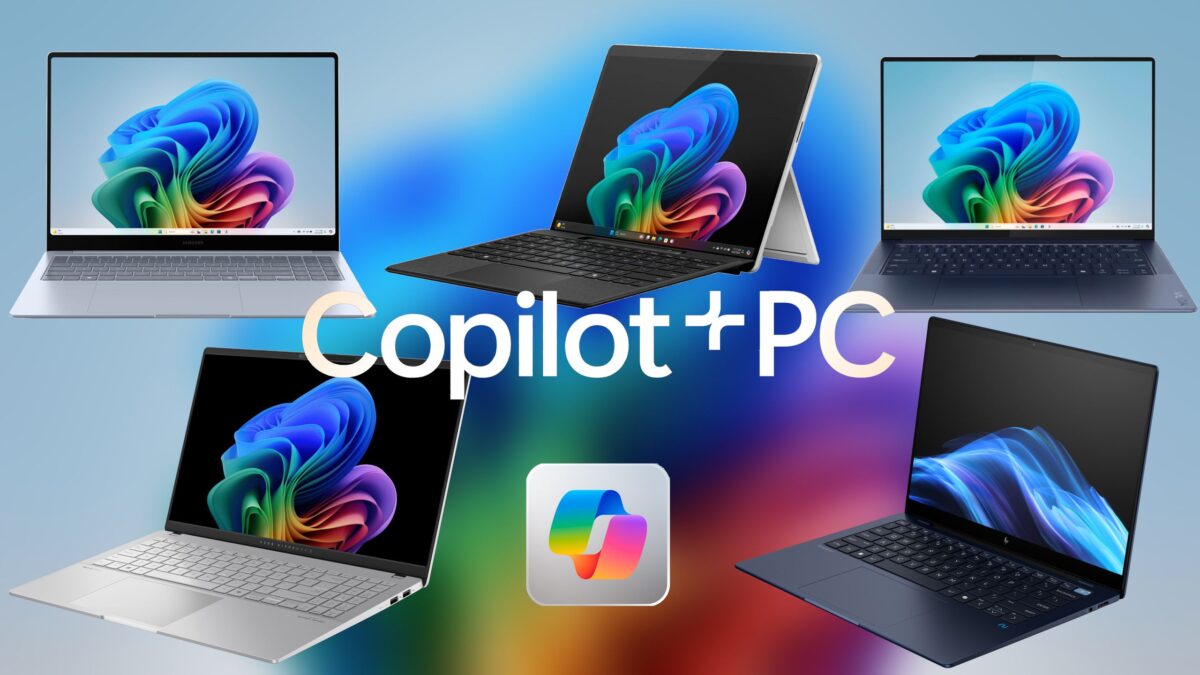
The AI hardware 2025 landscape has been nothing short of explosive — a $91.96 billion chip market, server racks that deliver 30x inference gains, laptops running 21 hours on a charge, and a pair of smart glasses that outsold every other AI gadget combined. If you only read one year-end hardware recap, make it this one. Here is every chip, device, and gadget that defined the year.
Data Center AI Chips: The Engines Behind the Boom
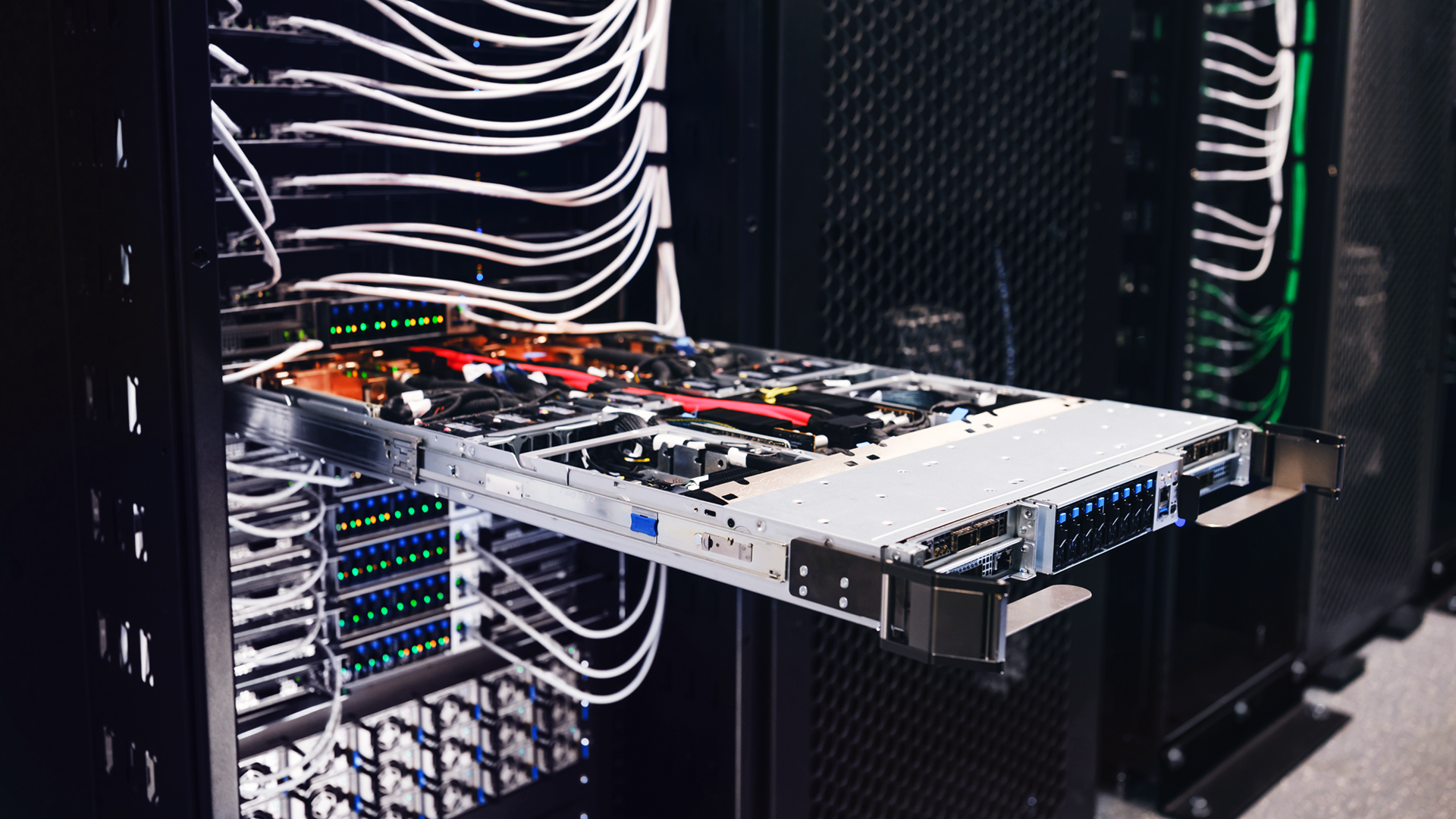
The data center has been the main battlefield for AI hardware in 2025, and the numbers tell the story. The global AI chip market surged from $71.3 billion in 2024 to an estimated $91.96 billion this year, according to TechTarget’s industry analysis. Four major players shaped that growth.
NVIDIA Blackwell: The Undisputed King
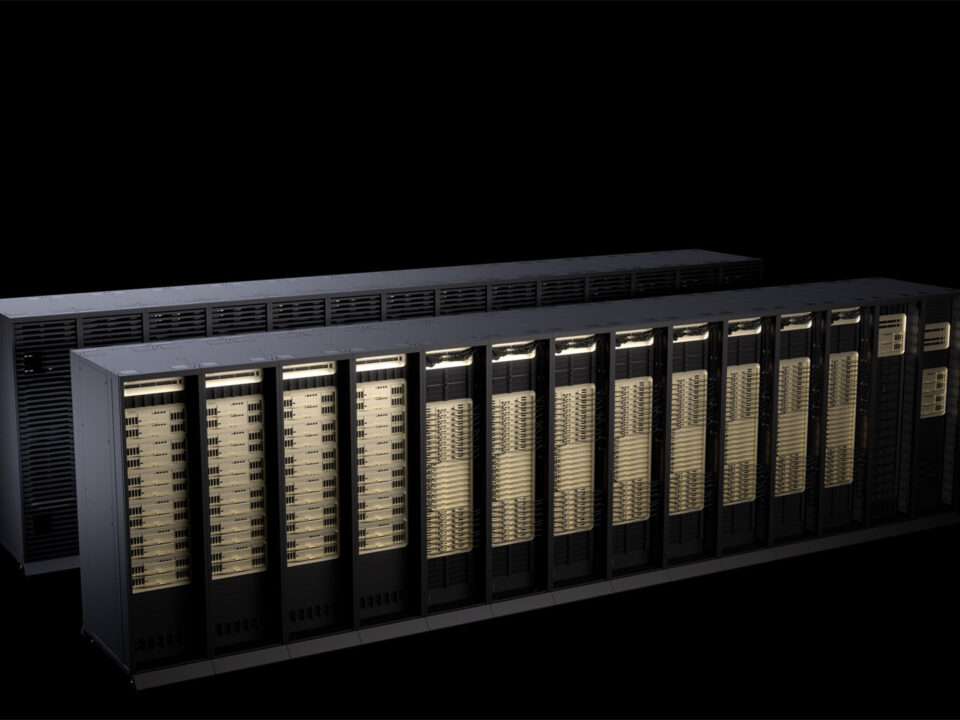
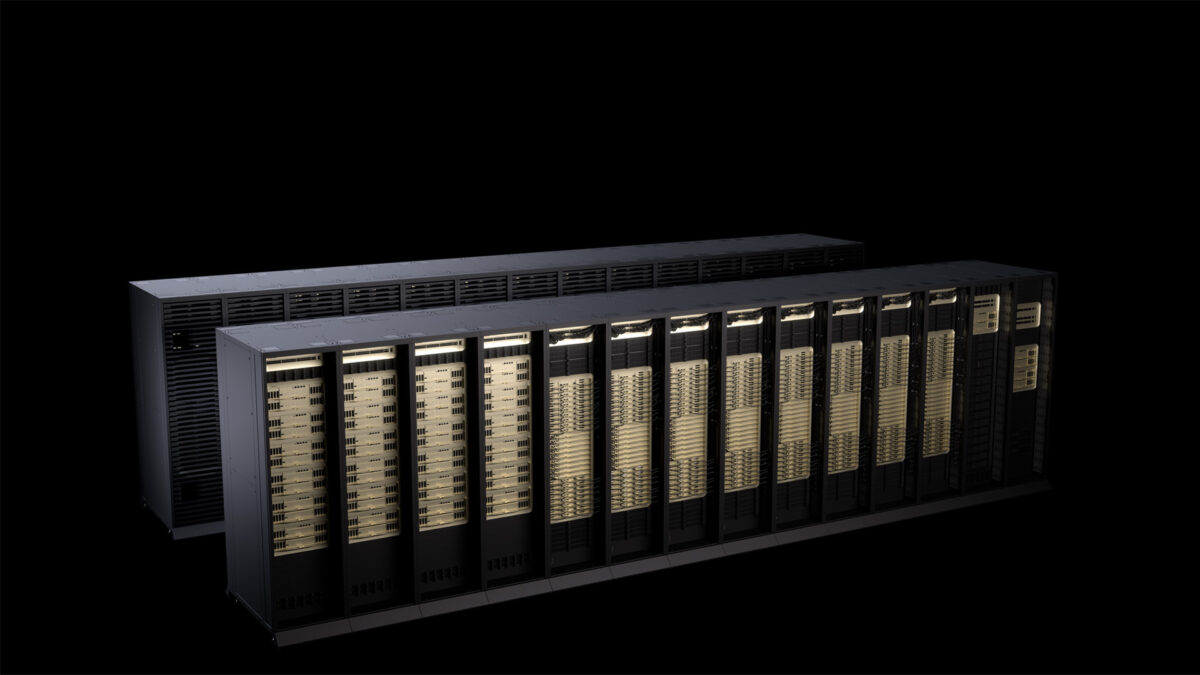
NVIDIA’s Blackwell architecture is the headline act of 2025. The B200 GPU delivers 2.5x the training performance of the H100, while the GB200 Grace Blackwell Superchip pushes large-language-model inference to 30x over its predecessor. The full-rack GB200 NVL72 system is now shipping to Microsoft, Oracle, AWS, and Meta — and Blackwell chips account for over 80 percent of NVIDIA’s high-end GPU shipments this year.
It hasn’t been all smooth sailing. Early deployments reported overheating and connection issues in densely packed racks, but NVIDIA has been rolling out firmware and cooling fixes throughout Q3 and Q4. The just-announced Blackwell Ultra variant, which shipped in late 2025, addresses many of these thermal constraints while squeezing out additional performance headroom for next year’s workloads.
AMD MI355X: The Challenger Arrives
AMD released the Instinct MI355X in June 2025, boasting four times the AI compute of the MI300X that turned heads a year ago. With competitive HBM3E memory bandwidth and a more aggressive price-per-TOPS ratio, AMD has carved out a real alternative for cloud providers looking to diversify their GPU supply chain. Hyperscalers like Microsoft Azure and Oracle Cloud have publicly confirmed MI355X deployments.
Google Ironwood TPU: 10x the Power
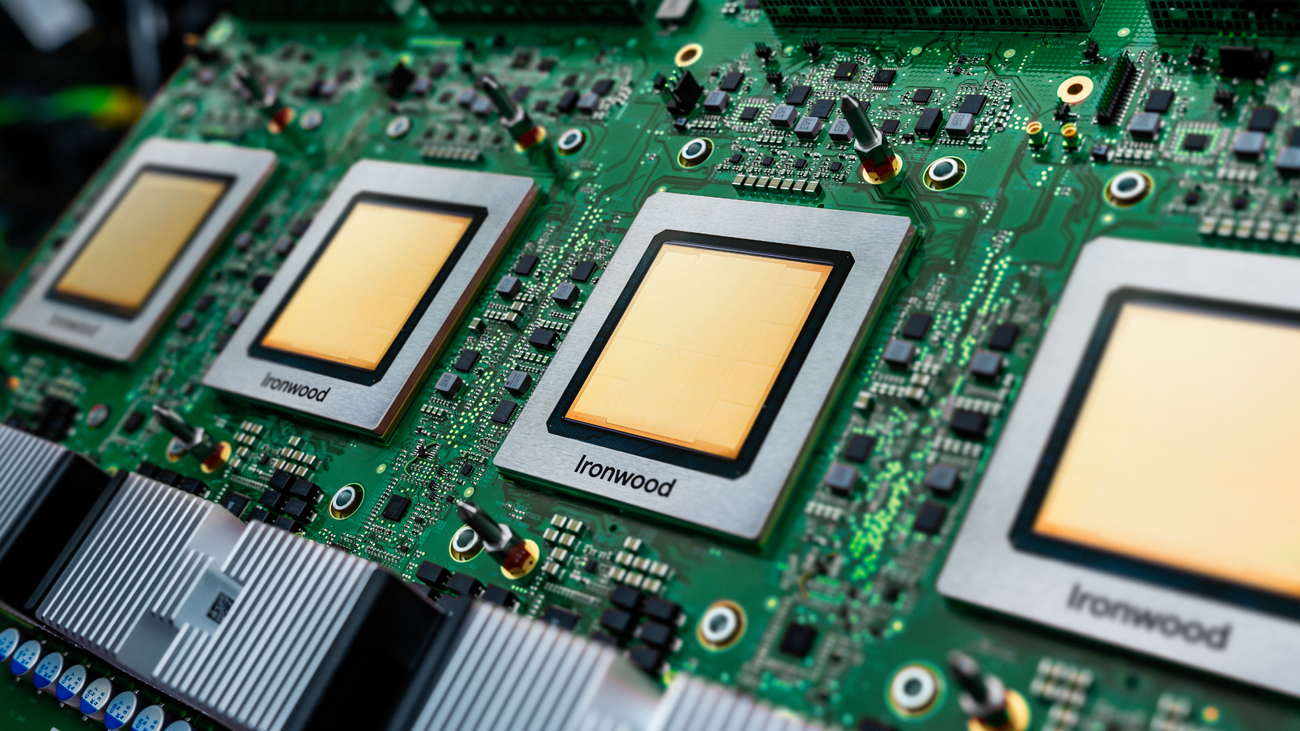
Google unveiled Ironwood, its seventh-generation TPU, in November 2025 with general availability slated for Q4. The numbers are staggering: 10x peak compute over the v5p, 192 GB of high-bandwidth memory per chip, and the ability to scale a single pod to 9,216 chips. Anthropic has already committed to one million Ironwood TPUs for training and serving Claude — a validation of both the silicon and Google Cloud’s infrastructure play.
AWS Trainium3 UltraServer
Not to be left behind, Amazon Web Services launched the Trainium3 UltraServer in December 2025. AWS is betting that custom silicon optimized for its own Bedrock AI services can offer better price-performance than third-party GPUs. Early benchmarks from internal teams show promising results for large-scale fine-tuning workloads, though independent benchmarks are still pending.
Consumer AI Hardware 2025: Apple M4 and the Rise of AI PCs
While data centers grabbed the biggest dollar figures, the consumer side of AI hardware 2025 is where most people will actually feel the change — in the laptop on their desk and the phone in their pocket.
Apple M4 Family
Apple’s M4 chip family — spanning the base M4, M4 Pro, and M4 Max — brought a unified Neural Engine capable of 38 TOPS to every Mac in the lineup. That means on-device generative AI features like Apple Intelligence run natively without cloud calls on even the entry-level MacBook Air. The M4 Max, with its 40-core GPU and up to 128 GB of unified memory, has become the de facto machine for local LLM experimentation among developers and researchers.
Copilot+ PCs: Windows Gets an NPU
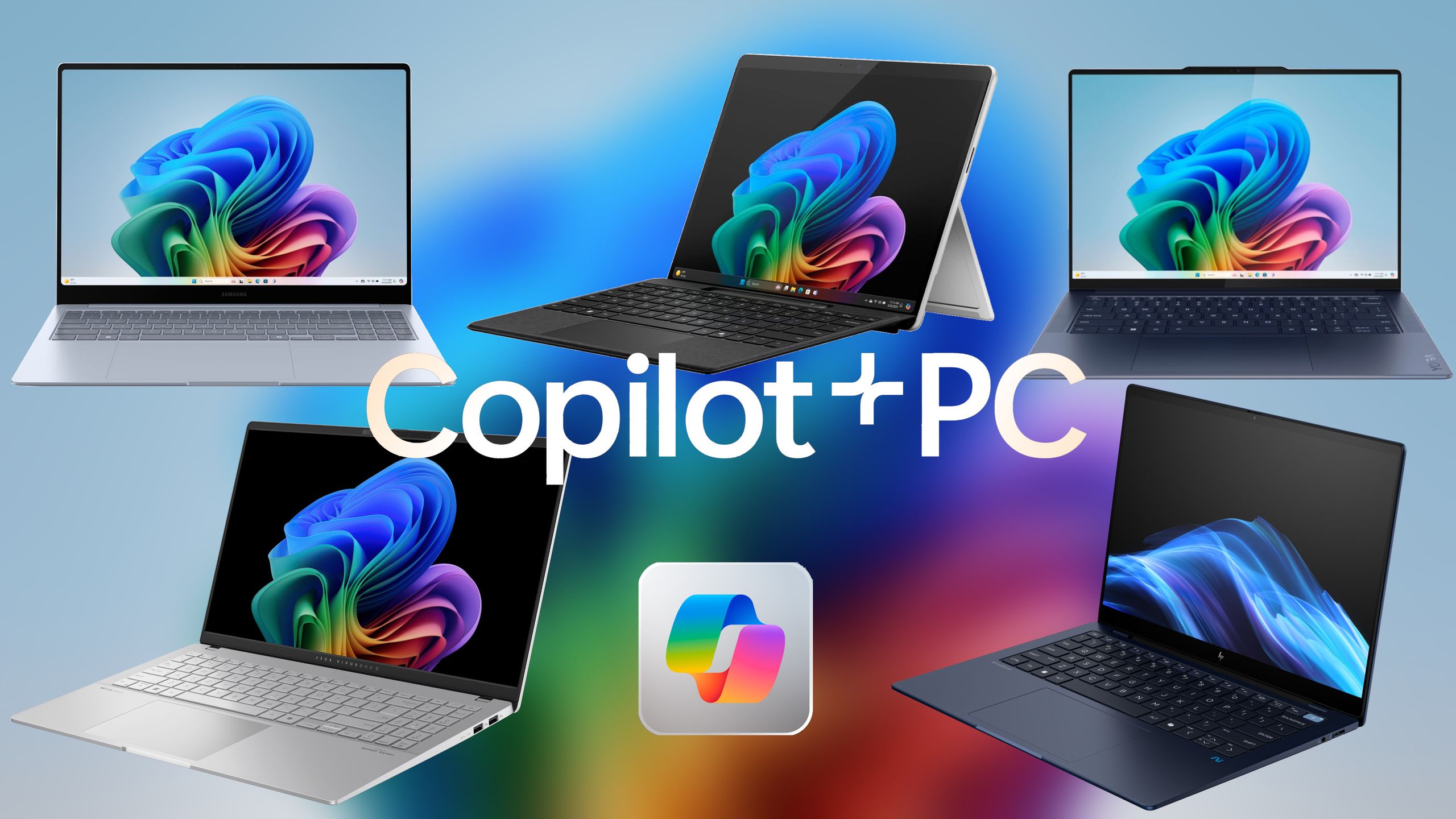
Microsoft’s Copilot+ PC initiative set a new baseline for Windows laptops: a minimum of 40 TOPS from a dedicated Neural Processing Unit. Three chip families compete for this crown.
- Qualcomm Snapdragon X Elite — The Arm-based chip that kicked off the Copilot+ wave, delivering impressive multi-day battery life and native Windows-on-Arm performance that finally feels ready for mainstream use.
- Intel Lunar Lake — Intel’s answer brings x86 compatibility and a 48-TOPS NPU, making it the safe pick for enterprise IT departments worried about legacy app support.
- AMD Ryzen AI — AMD’s Ryzen AI 300 series splits the difference, offering strong CPU and GPU performance alongside a competitive NPU for on-device AI tasks.
Standout devices include the Lenovo ThinkPad T14s Gen 6 with a jaw-dropping 21-hour battery life and the Microsoft Surface Laptop 7 at 18+ hours. These aren’t lab numbers — real-world reviewers confirmed them. The AI PC era is no longer a marketing promise; it’s the new normal for anyone buying a laptop this holiday season.
AI Gadgets of 2025: Winners and Losers
2025 was supposed to be the year AI gadgets went mainstream. Reality was more nuanced — one clear winner and two high-profile flameouts.
Winner: Meta Ray-Ban Smart Glasses Gen 2
Meta’s second-generation Ray-Ban smart glasses are the only standalone AI wearable that consumers actually kept using. At $379, they hit a price point that felt reasonable for a fashion-forward accessory with genuinely useful AI features — real-time translation, visual search, and hands-free Meta AI queries. The smart glasses market grew 110 percent year-over-year, and Meta captured the lion’s share of that growth. These are the proof that AI wearables work when they look like something you’d already want to wear.
Loser: Humane AI Pin
The Humane AI Pin launched at $699 with grand visions of replacing your smartphone. Instead, it replaced investors’ confidence. HP acquired Humane for just $116 million — a fraction of the company’s previous valuation — after the device was widely panned for sluggish performance, a confusing laser-projected interface, and the fundamental problem that nobody wanted to wear a glowing brooch. A cautionary tale in over-engineering a solution to a problem that didn’t exist.
Loser: Rabbit R1
The Rabbit R1 arrived with viral marketing hype and a charming retro design. Then reality set in: 95 percent of buyers abandoned the device within months. The “Large Action Model” couldn’t reliably book a restaurant or order an Uber — tasks your phone already handles in seconds. At $199, it was cheap enough to be an impulse buy and disappointing enough to become a desk drawer resident. The R1 joins a long list of gadgets that proved a slick demo does not equal a useful product.
What the Best AI Hardware of 2025 Means for 2026
Looking ahead, the themes from 2025 are set to intensify. NVIDIA’s Blackwell Ultra and its rumored Rubin architecture will push data center performance further, while AMD and Google’s custom silicon ensure the GPU monopoly continues to loosen. On the consumer side, expect every laptop sold in 2026 to ship with an NPU — the 40-TOPS floor will become table stakes, and new AI-native applications will finally give those neural processors something meaningful to do.
For AI gadgets, the lesson is clear: form factor matters more than features. Meta’s glasses succeeded because they’re glasses first, AI second. Any 2026 entrant that forgets this lesson will join the Pin and the Rabbit in the discount bin.
2025 has been a landmark year for AI hardware — from chips processing trillions of operations per second to laptops that run all day to glasses that translate languages in real time. Whether you’re a developer choosing your next workstation, a cloud architect planning infrastructure, or a consumer shopping for holiday gifts, the best AI hardware of 2025 has something for everyone.
Want to stay ahead of what’s coming in 2026? Subscribe below and get the latest AI, music, and tech trends delivered weekly.
Get weekly AI, music, and tech trends delivered to your inbox.