
Microsoft Zero Trust for AI: 700 Security Controls Every Enterprise Needs Before Deploying AI Agents
April 2, 2026
Warner Music Revelator Acquisition: The 3-Way Indie Distribution War Between Majors Just Got Real (2026 Analysis)
April 2, 2026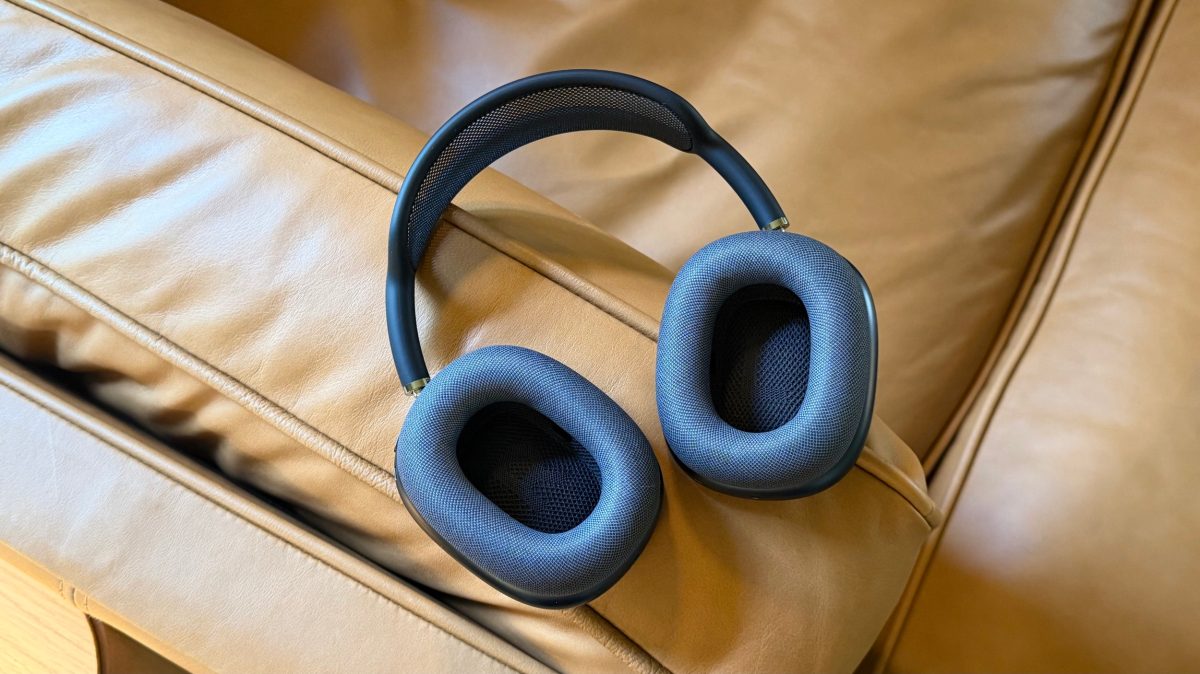
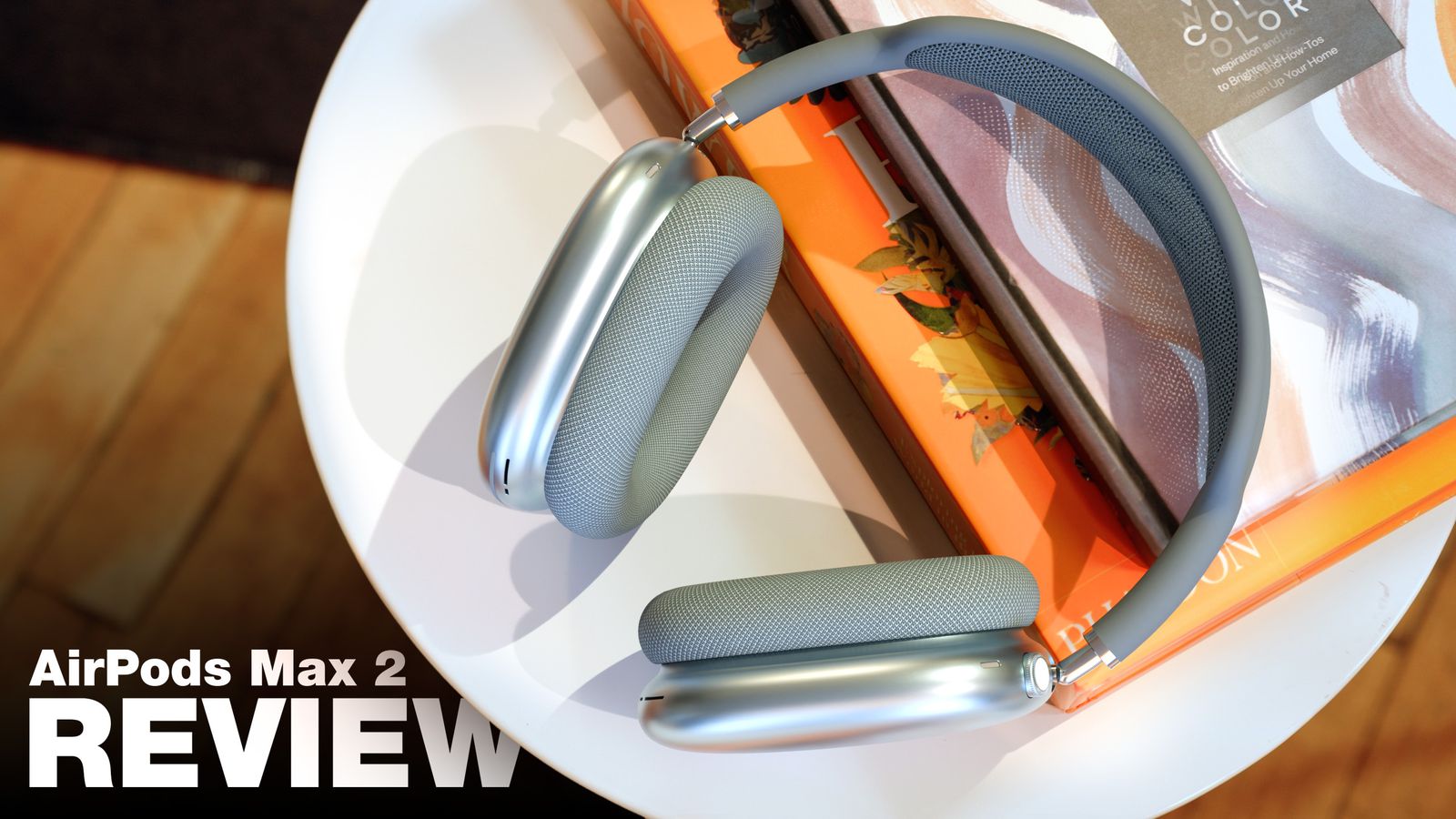
AirPods Max 2 vs Sony WH-1000XM6 — the battle we’ve been waiting for finally has both contenders in the ring. Apple dropped the AirPods Max 2 in stores on April 1, 2026, armed with the H2 chip, 1.5x stronger ANC, and USB-C lossless audio. But at $549 and 385 grams with zero design changes, can it justify the $100 premium over Sony’s lighter, longer-lasting, and arguably smarter WH-1000XM6? Here are 7 critical differences that go far beyond the spec sheet.
1. ANC Performance: H2’s Counterattack vs Sony’s Unshaken Throne
Apple claims the H2 chip delivers 1.5x better noise cancellation than the original AirPods Max. According to Apple’s official newsroom, the new model introduces Adaptive Audio, Conversation Awareness, and Voice Isolation — features that dynamically adjust noise cancellation based on your environment. When someone starts talking to you, the headphones automatically let their voice through without you lifting a finger.
Sony’s WH-1000XM6, however, maintains its position as the undisputed ANC champion. Trusted Reviews confirmed that while AirPods Max 2 has “significantly closed the gap,” the XM6 still offers best-in-class pure noise cancellation. Sony’s V1 processor continues to excel at blocking low-frequency droning — the kind you encounter on planes, trains, and in open offices.
The fundamental difference lies in philosophy. Apple is betting on “smart” ANC that adapts contextually, while Sony doubles down on raw blocking power. For coffee shop workers who want seamless transitions between focus and conversation, Apple’s approach is brilliant. For frequent flyers demanding absolute silence, Sony remains the benchmark.
2. Weight: 385g vs 246g — The Comfort Gap Is Real
On paper, it’s a 139-gram difference. On your head for three hours, it’s a different universe. AirPods Max 2 carries the same 385g weight as its predecessor — 9to5Mac flagged this as one of four things Apple didn’t change, and it’s arguably the most frustrating omission.
Sony’s WH-1000XM6 at 246g is 36% lighter. That difference compounds over time in ways the spec sheet can’t communicate. After two hours of continuous wear, heavier headphones start creating pressure points that force constant readjustment — each adjustment pulling you out of whatever you were focused on.
There’s a counterargument, and it’s legitimate. The AirPods Max 2’s weight comes from aluminum ear cups and a stainless steel frame that feel genuinely premium in a way that Sony’s plastic construction simply cannot match. You’re choosing between ergonomic comfort and material luxury — and only you can decide which matters more during a four-hour mixing session or a transatlantic flight.
3. Battery Life: 20 Hours vs 30 Hours — Math Doesn’t Lie
Apple’s AirPods Max 2 delivers 20 hours; Sony’s WH-1000XM6 pushes 30 hours. That’s a 50% advantage for Sony, and for road warriors, this isn’t a minor detail — it’s a dealbreaker. A Seoul-to-LA direct flight runs about 11 hours. Round trip, Sony survives without charging. Apple doesn’t.
For daily commuters and work-from-home professionals, 20 hours is perfectly adequate. At 4-5 hours of daily use, you’re looking at a comfortable 4-day stretch between charges. But if you travel frequently or you’re the type who forgets to charge until the battery warning hits, Sony’s extra 10 hours provide meaningful peace of mind.
There’s also the charging behavior to consider. AirPods Max 2 enters a low-power mode when placed in its Smart Case, but it doesn’t fully power off — so battery drain continues, albeit slowly. Sony’s XM6 has a physical power button and turns completely off when not in use, meaning that 30-hour rating holds up better in real-world intermittent usage patterns.
4. Audio Codecs: USB-C Wired Lossless vs LDAC Wireless Hi-Res
This is where the comparison gets genuinely interesting. AirPods Max 2 supports 24-bit/48kHz lossless audio — but only via USB-C wired connection. Over Bluetooth, you’re limited to AAC. If you want to experience Apple Music’s lossless catalog as intended, you need a cable tethering you to your device.
Sony’s WH-1000XM6 offers LDAC codec support, streaming Hi-Res audio wirelessly at up to 990kbps. Add LE Audio via Bluetooth 5.3 for lower-latency, power-efficient high-quality streaming, and Sony delivers premium wireless audio without compromise. If cutting the cord while maintaining audio fidelity matters to you, Sony wins this round decisively.
Apple’s counter-play is Personalized Spatial Audio with head tracking via the USB-C connection. This transforms the listening experience from flat stereo into a three-dimensional soundstage that follows your head movements. It’s a different kind of audio excellence — less about raw codec quality and more about spatial immersion. The question isn’t which sounds “better” in isolation; it’s which listening experience you value more.
5. Ecosystem Lock-in: Apple’s Seamless Integration vs Sony’s Cross-Platform Freedom
If you own an iPhone, iPad, and MacBook, the AirPods Max 2’s ecosystem integration is borderline magical. Automatic device switching, Find My integration, Live Translation during conversations, and even music production workflow support in Logic Pro. Darko.Audio compiled 25 new features, and many of them only exist within Apple’s walled garden.
Sony’s WH-1000XM6 counters with multipoint connectivity — simultaneous pairing with two devices regardless of platform. Android phone and Windows laptop? No problem. MacBook and Android tablet? Seamless. If your tech life spans multiple ecosystems — which, let’s be honest, describes most professionals — Sony’s platform agnosticism is a significant advantage.
6. Design and Portability: Premium Materials vs Practical Engineering
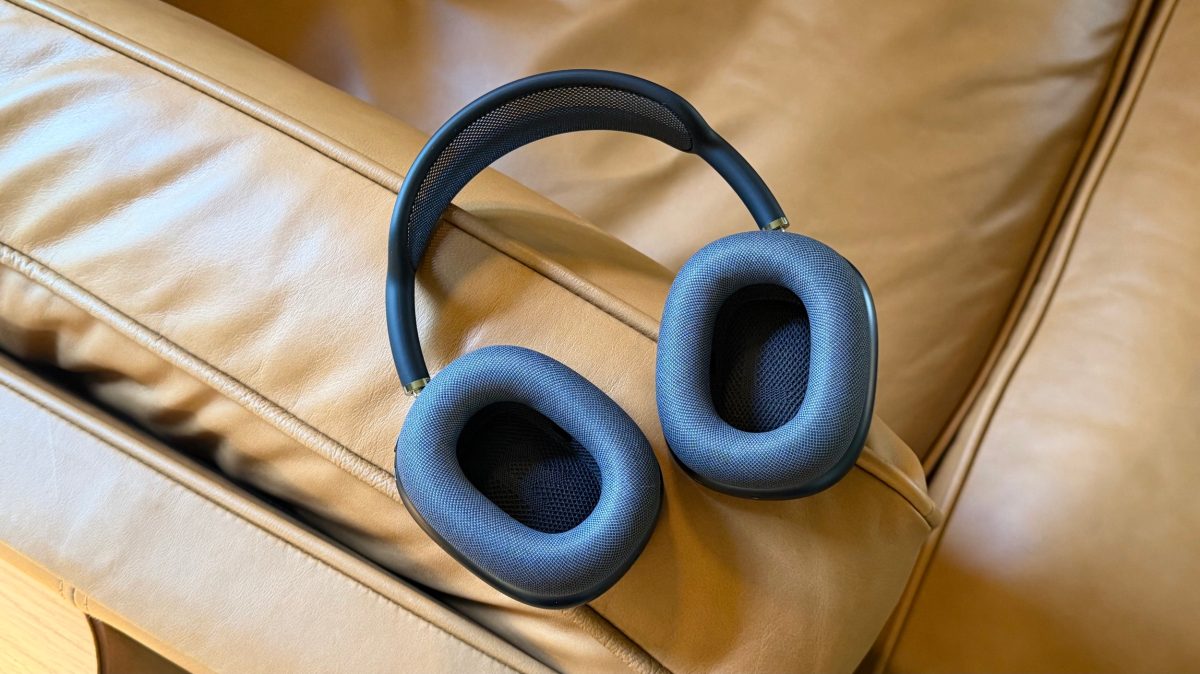
AirPods Max 2 didn’t change its design. Same aluminum ear cups, same mesh canopy headband, same controversial Smart Case that protects approximately 60% of the headphone. It doesn’t fold. It takes up serious real estate in your bag.
Sony’s WH-1000XM6 folds flat and ships with a hard-shell carrying case that fits in a backpack side pocket. Airplane seat-back pocket? No problem. The portability advantage is substantial for anyone who moves between locations regularly.
But pick up the AirPods Max 2, and you immediately understand the premium. Cold aluminum, precise machining, and a visual presence that turns heads. Sony’s WH-1000XM6 is a tool. AirPods Max 2 is a statement. Whether that statement is worth $100 more and 139 grams heavier depends entirely on your priorities.
7. Price-to-Value: $549 vs $449 — What Does $100 Actually Buy?
AirPods Max 2 at $549 versus Sony WH-1000XM6 at $449. Digital Trends’ comparison identified this $100 gap as the pivotal variable. Sony wins on ANC, battery, weight, and portability while costing less. On paper, the value proposition is overwhelmingly in Sony’s favor.
What Apple charges the extra $100 for is clear: premium materials, ecosystem integration, Spatial Audio, and the intangible satisfaction of owning what many consider the most beautifully built headphone on the market. MacRumors’ review concluded the AirPods Max 2 is “finally worth the $549 price tag” — a telling acknowledgment that the original wasn’t. If you’re evaluating purely on sound-per-dollar, Sony remains the rational choice.
Scenario-Based Recommendations: Which One Fits Your Life?
All-Apple household (iPhone + MacBook + iPad): AirPods Max 2. The ecosystem integration alone justifies the premium. Automatic device switching, Spatial Audio, and Live Translation only work within Apple’s world.
Frequent travelers and commuters: Sony WH-1000XM6. At 246g with 30-hour battery and a folding design, it’s purpose-built for life on the move.
Music producers and audio professionals: Both have legitimate strengths. Apple offers Logic Pro integration and Spatial Audio monitoring. Sony provides LDAC Hi-Res wireless and cross-platform flexibility.
Android users: Sony WH-1000XM6, without question. LDAC support and multipoint connectivity deliver their full potential on Android. AirPods Max 2 loses most of its ecosystem advantages outside Apple’s walls.
Budget-conscious buyers: Sony WH-1000XM6. $100 less while matching or exceeding the AirPods Max 2 on nearly every objective metric.
My Take: AirPods Max 2 vs Sony WH-1000XM6 — What 28 Years in Audio Taught Me
After nearly three decades in studios, I’ve put hundreds of headphones on my head — from $30 monitoring cans to $3,000 planar magnetics. And here’s what this comparison really comes down to: Apple and Sony aren’t competing on the same axis.
Apple sells an experience through vertical integration of hardware and software. Sony sells performance through pure audio engineering. When I’m working in Logic Pro on Spatial Audio mixes, the AirPods Max 2’s head tracking via USB-C is genuinely useful for checking spatial placement. But when I need a reliable reference check on masters while traveling between studios, Sony’s wireless LDAC transmission and 30-hour battery are simply more practical.
My honest verdict: for most people, the Sony WH-1000XM6 is the smarter purchase. It’s lighter, lasts longer, costs less, and delivers ANC that still leads the industry. But if you’re fully embedded in Apple’s ecosystem, value premium materials that you can actually feel, and have real use cases for Spatial Audio — the AirPods Max 2 at $549 is finally a product that earns its price tag. The right answer isn’t “which is better.” It’s “which fits your life.”
Both headphones deserve their place at the top of the 2026 premium headphone market. Apple has dramatically closed the feature gap with the H2 chip, but Sony remains the benchmark for ANC and practical design. Your final choice should be driven by lifestyle, not specifications.
Need professional mixing, mastering, or Dolby Atmos spatial audio production? Connect with 28 years of studio experience.
Get weekly AI, music, and tech trends delivered to your inbox.