Best MIDI Controllers Under $200 in 2025: Top 8 Picks for Every Producer
April 22, 2025
Adobe Firefly 3: The Enterprise-Safe AI Image Model That Changes the Commercial Creative Game
April 23, 2025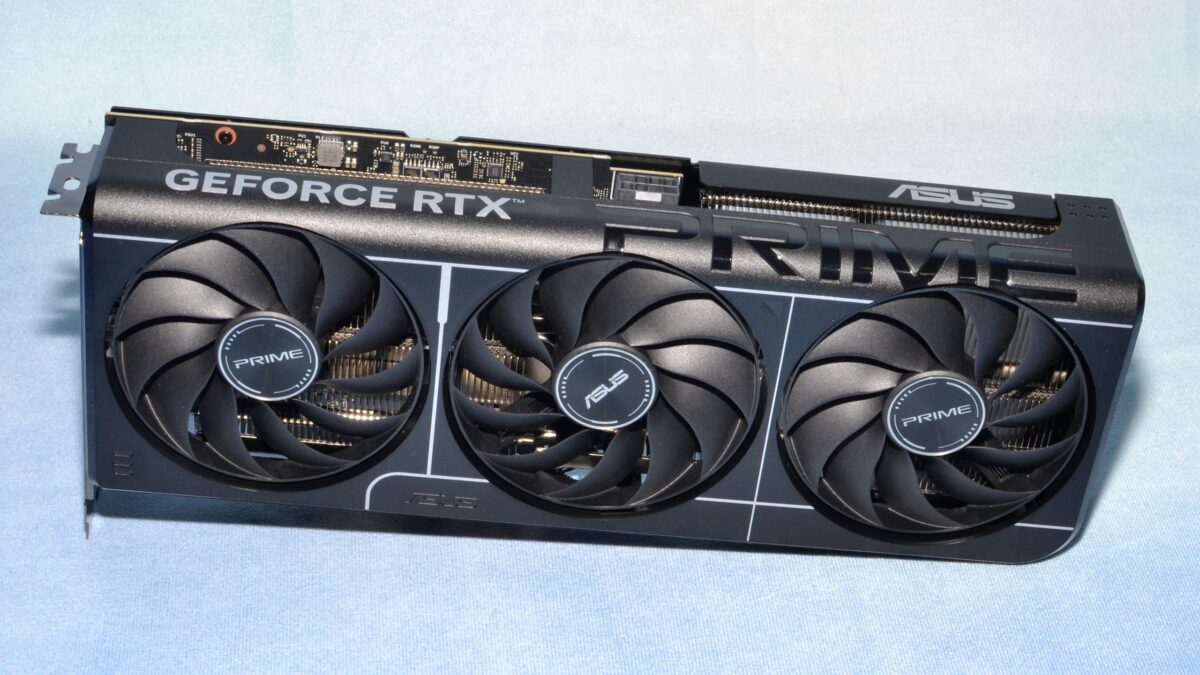
NVIDIA didn’t send 8GB review samples to the press. Let that sink in for a moment. When the world’s largest GPU maker quietly avoids putting its own product in front of independent reviewers, you know something is off. The NVIDIA RTX 5060 Ti has arrived with Blackwell architecture and some genuinely impressive specs, but the story everyone is actually talking about has nothing to do with CUDA cores or clock speeds. It’s about 8 gigabytes of VRAM in 2025, and whether NVIDIA just launched a card that’s “instantly obsolete” at birth.
NVIDIA RTX 5060 Ti Specs: What Blackwell GB206 Actually Delivers
Let’s start with the raw hardware. The RTX 5060 Ti is built on NVIDIA’s Blackwell GB206-300-A1 GPU, packing 4,608 CUDA cores with a base clock of 2,407 MHz and boost clock reaching 2,572 MHz. It connects to memory through a 128-bit bus running GDDR7 at 28 Gbps, delivering 448 GB/s of bandwidth. The TDP sits at a reasonable 180W, which should be manageable for most midrange builds.
NVIDIA officially announced the RTX 5060 Ti on April 15, 2025, with reviews going live April 16. The card comes in two flavors: $379 for the 8GB model and $429 for the 16GB variant. The RTX 5060 (non-Ti) was confirmed to launch the following month at $299.
On paper, this is a solid generational jump. GDDR7 memory is a first for this price segment, and the move to Blackwell architecture means hardware-accelerated ray tracing improvements alongside the headline feature: DLSS 4 with Multi Frame Generation.
Benchmark Results: 7-21% Faster Than RTX 4060 Ti
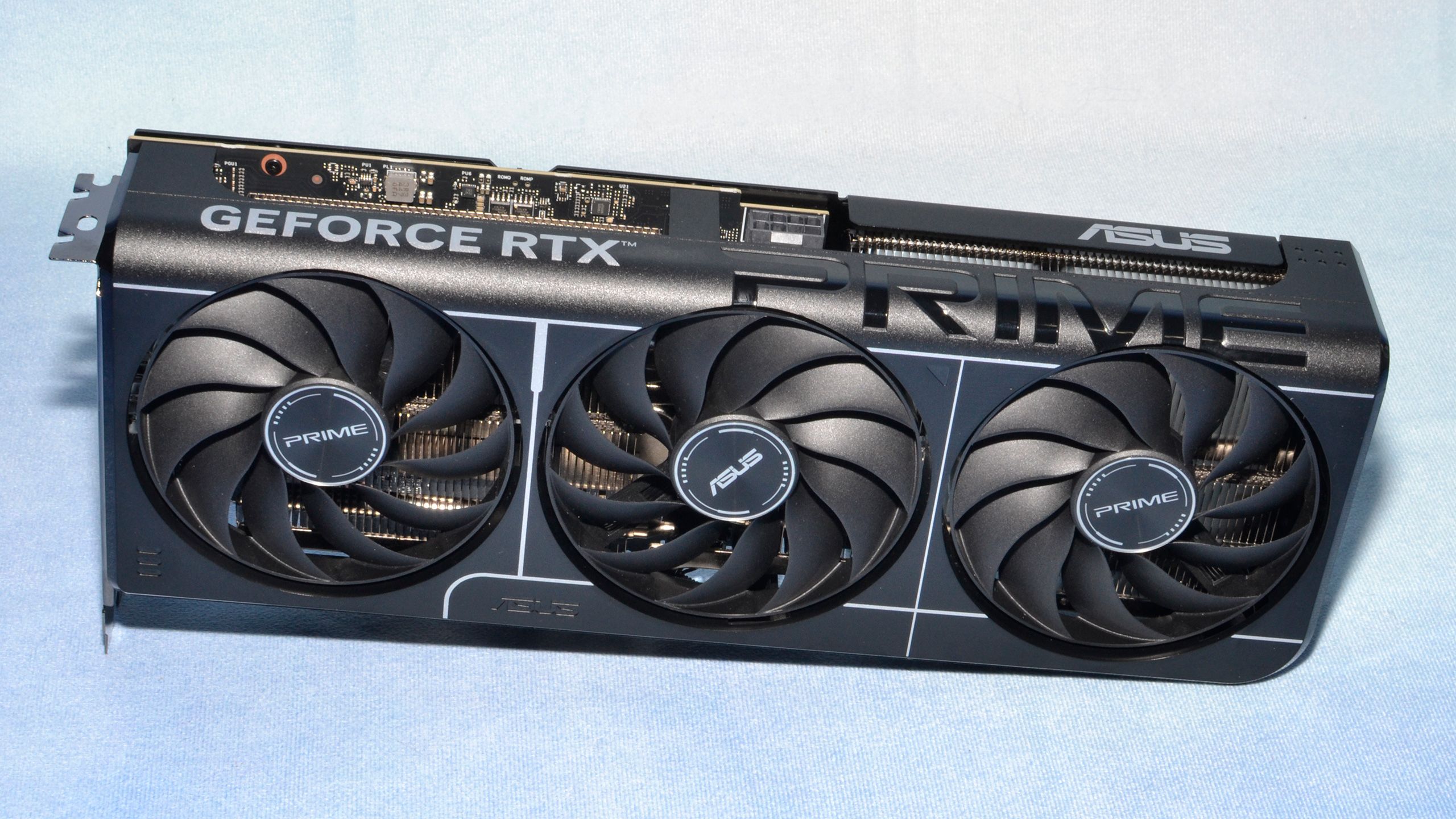
Across the review roundup, the NVIDIA RTX 5060 Ti 16GB consistently delivers 7-21% better performance compared to the outgoing RTX 4060 Ti. At 1080p, it’s a comfortable upgrade that pushes most modern titles well above 60 FPS. At 1440p, the card remains capable, though this is precisely where the 8GB vs 16GB divide becomes critical.
According to reviews from HotHardware, the 16GB variant is a solid midrange option for 1080p and 1440p gaming. It handles ray tracing workloads better than its predecessor, and when DLSS 4 Multi Frame Generation kicks in, frame rates can see dramatic boosts in supported titles.
The real-world performance gains are tangible but not revolutionary. If you’re coming from an RTX 3060 or older, the jump is significant. From an RTX 4060 Ti, you’re paying a premium mostly for DLSS 4 and the efficiency gains of Blackwell. The 128-bit memory bus is narrower than some competitors, but GDDR7’s raw speed compensates reasonably well in most scenarios.
The 8GB VRAM Controversy: “Instantly Obsolete”
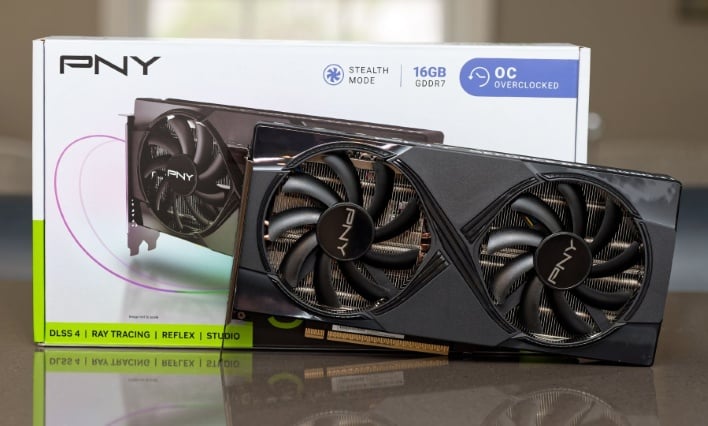
Here’s where the story gets uncomfortable for NVIDIA. TechSpot titled their review of the 8GB model “Instantly Obsolete,” and that assessment has become the defining narrative of this launch. But the controversy goes deeper than just VRAM capacity.
NVIDIA did not send 8GB review samples to the press. Hardware Unboxed, one of the most respected independent tech channels, had to purchase an 8GB unit with their own money to review it. This raised immediate transparency concerns across the tech media landscape. If NVIDIA believed in the 8GB product, why not let reviewers test it?
The independent testing confirmed the fears. According to Tom’s Hardware’s analysis, the RTX 5060 Ti 8GB struggles due to lack of VRAM, and not just at 4K ultra settings. Games like Horizon Forbidden West and Cyberpunk 2077 push 10-12GB of VRAM usage at 1440p, meaning the 8GB card hits a hard wall in titles that should be squarely within its target resolution.
The 8GB vs 16GB face-off testing from Tom’s Hardware revealed frame time stutters, texture pop-in, and outright crashes in VRAM-heavy games at 1440p. At 1080p with maximum settings and ray tracing enabled, the 8GB variant still struggled. This isn’t a hypothetical future problem. It’s a today problem.
DLSS 4 Multi Frame Generation: The Key Selling Point
If there’s one feature that justifies the Blackwell upgrade path, it’s DLSS 4 with Multi Frame Generation. Unlike previous DLSS iterations that generated one additional frame, Multi Frame Generation can produce up to three AI-generated frames for every traditionally rendered frame. The result is dramatically higher perceived frame rates with minimal latency increase.
In supported titles, DLSS 4 can effectively double or triple the frame rate output, making the RTX 5060 Ti punch well above its weight class. Ray tracing, which historically hammered midrange cards, becomes far more playable with this technology engaged. For gamers who primarily play DLSS-supported titles, this is genuinely compelling.
However, DLSS 4 adoption is still growing. Not every game supports Multi Frame Generation at launch, and the technology works best with NVIDIA Reflex to minimize input latency. It’s a strong value proposition for the future, but today’s library of fully optimized titles remains limited.
There’s also the question of visual quality versus raw frame count. Multi Frame Generation works by interpolating frames using AI, which means the generated frames are predictions rather than fully rendered images. In fast-paced competitive titles, some players may notice subtle artifacts or input delay that traditional rendering doesn’t produce. For casual and single-player gaming, the trade-off is generally worth it. For competitive esports, the jury is still out on whether the higher frame count translates to a genuine competitive advantage.
Market Reception: Gamers Are Voting With Their Wallets
The market’s response has been swift and decisive. According to reports from Tweaktown, the RTX 5060 Ti 8GB is selling poorly as gamers overwhelmingly choose the 16GB version. Despite the $50 price premium, buyers clearly see 16GB as the minimum viable option for a card expected to last 3-4 years in a gaming rig.
NVIDIA has reportedly been implementing pricing and stock controls in response to the lopsided demand. The 8GB model’s poor reception suggests that even at $379, consumers recognize when a product is compromised. The $50 gap between the two variants is small enough that most buyers view the 16GB as the obvious choice, which raises the question of why the 8GB exists at all.
The broader context matters here. AMD’s competing products and Intel Arc’s growing presence in the midrange segment mean NVIDIA can’t rely purely on brand loyalty. When your own customers are publicly calling one of your SKUs “instantly obsolete,” the brand damage extends beyond a single product line.
Retailers have noticed the trend as well. Board partner cards with 16GB are moving off shelves quickly, while 8GB models sit in inventory. Some AIB partners have reportedly shifted their production mix to favor the 16GB variant, recognizing that shelf warmers tie up capital and warehouse space. The market has spoken clearly, and the message is that 8GB is no longer enough for a GPU in this price bracket.
Sean’s Take: What This Means for Creators and Workstation Builds
After 28 years working at the intersection of audio, technology, and creative production, I’ve seen hardware companies pull this kind of segmentation play before. The 8GB RTX 5060 Ti isn’t really a product designed to serve users. It’s a pricing anchor designed to make the 16GB version look like a deal at $429. NVIDIA knows exactly what they’re doing.
For music producers and content creators considering this card for a workstation build, the calculus is straightforward: skip the 8GB entirely. In my production environment, even moderate video rendering, AI-assisted audio processing, and running a DAW with GPU-accelerated plugins can push VRAM usage beyond 8GB. If you’re using tools like iZotope RX, DaVinci Resolve, or any AI-powered creative application, 16GB should be your minimum. The $50 savings on the 8GB model will cost you in frustration and workflow interruptions within months.
What concerns me more is NVIDIA’s transparency problem. Not sending 8GB samples to reviewers was a calculated decision that erodes trust. As someone who evaluates gear for professional workflows, I rely on honest benchmarking from independent outlets. When a manufacturer tries to control the narrative by limiting access to a product they know is compromised, it tells you everything about their confidence in it. The 16GB RTX 5060 Ti at $429 is a reasonable midrange card. But NVIDIA’s handling of the 8GB variant leaves a bad taste that no amount of DLSS 4 marketing can wash out.
The Bottom Line: RTX 5060 Ti Is a Two-Product Story
The NVIDIA RTX 5060 Ti launch is ultimately a tale of two cards. The 16GB model at $429 delivers solid generational improvements, DLSS 4 Multi Frame Generation, and enough VRAM to handle today’s demanding titles at 1080p and 1440p. It’s a sensible upgrade for anyone on a GTX 10-series or RTX 20/30-series card who wants modern features without breaking the bank.
The 8GB model at $379, however, arrives with compromises that the market has already rejected. Frame stutters, texture issues, and crashes at 1440p make it a difficult recommendation for anyone planning to keep their GPU for more than a year. The $50 savings simply isn’t worth the limitations.
If you’re building or upgrading a gaming or creative workstation in 2025, the 16GB NVIDIA RTX 5060 Ti deserves a spot on your shortlist. Just make sure you’re comparing it against AMD and Intel alternatives at the same price point before committing. The midrange GPU market is more competitive than it’s been in years, and that’s good news for everyone with a budget to manage.
Get weekly AI, music, and tech trends delivered to your inbox.