Google I/O 2025 AI Overviews: Multi-Step Reasoning Is Already Reshaping Search
May 6, 2025
Microsoft Build 2025 Copilot Studio: 5 Autonomous Agent Features That Will Reshape Enterprise AI
May 7, 2025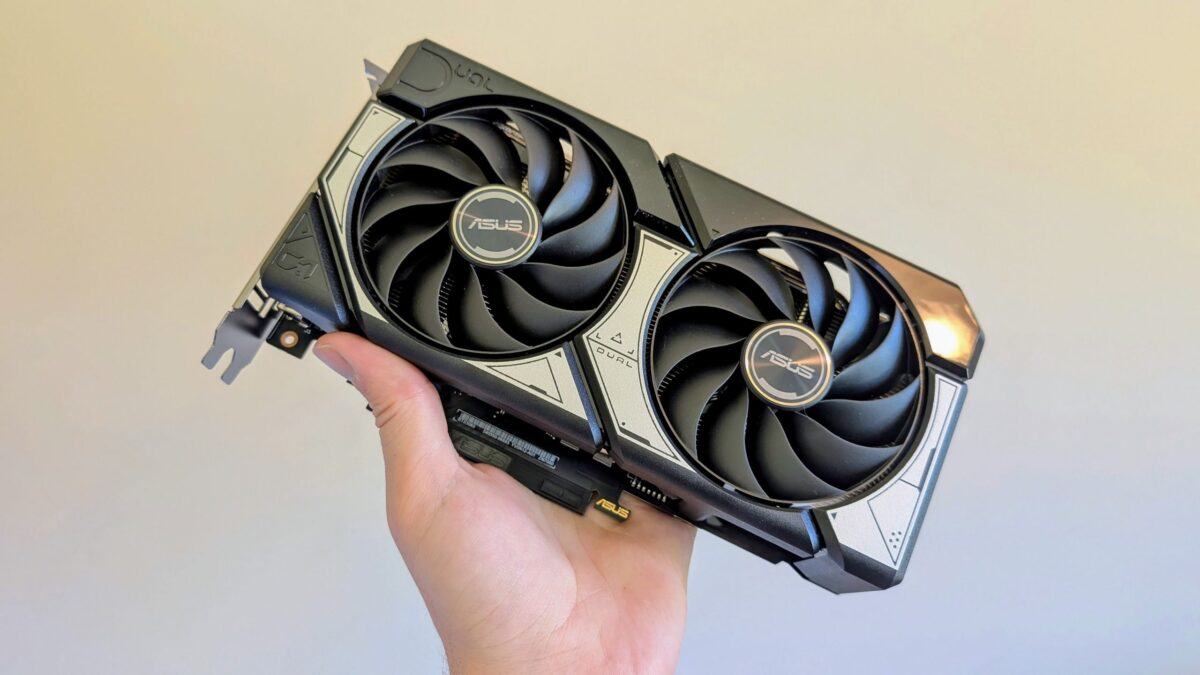
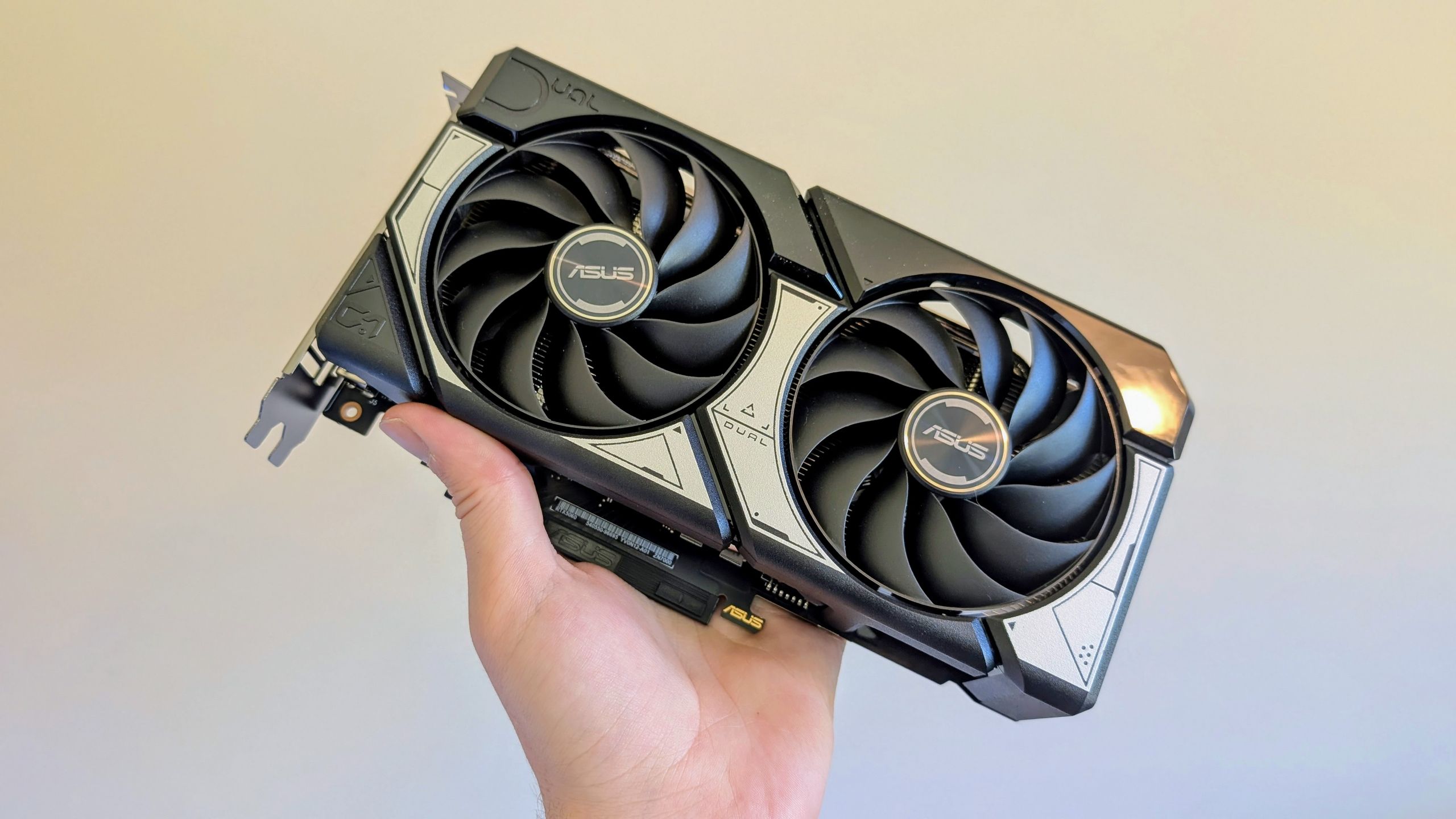
NVIDIA is betting that $299 and a shiny new architecture can make you forget about 8GB of VRAM in 2025. The NVIDIA RTX 5060, officially announced on April 15 and set to launch on May 19, brings Blackwell to the budget segment for the first time — but not without controversy. While the spec sheet boasts a generational leap in performance, the elephant in the room is the same 8GB VRAM that frustrated RTX 4060 owners. Can DLSS 4 and GDDR7 really compensate, or is NVIDIA leaving performance on the table for its largest customer segment?
NVIDIA RTX 5060 Full Specs: What Blackwell Brings to $299
The RTX 5060 is built on the GB206-300 die — NVIDIA’s Blackwell architecture trimmed down for the mainstream market. At 3,840 CUDA cores with a boost clock of 2,497 MHz and a base clock of 2,280 MHz, this is a substantial step up from the RTX 4060’s 3,072 Ada Lovelace cores. The card draws 145W TDP, making it a practical drop-in upgrade for most mid-tower builds without requiring a PSU swap.
Memory is where things get interesting — and contentious. NVIDIA went with 8GB of GDDR7 on a 128-bit bus, delivering 448 GB/s of bandwidth. That’s a significant bump over the RTX 4060’s 272 GB/s GDDR6, but the capacity remains unchanged at 8GB. For context, both AMD’s upcoming RX 9060 XT ($299–320) and Intel’s Arc B580 ($250) offer 12GB of VRAM at or below this price point.
Here’s the full spec comparison:
- Architecture: Blackwell (GB206-300)
- CUDA Cores: 3,840
- Boost Clock: 2,497 MHz / Base: 2,280 MHz
- VRAM: 8GB GDDR7, 128-bit bus
- Bandwidth: 448 GB/s
- TDP: 145W
- MSRP: $299
- Launch Date: May 19, 2025
- Key Feature: DLSS 4 with Multi Frame Generation
NVIDIA RTX 5060 Benchmark Expectations: RTX 3070 Territory
Early benchmarks paint a promising picture for raw rasterization performance. According to reviews from outlets like TechRadar and independent testing, the RTX 5060 delivers approximately 25% better performance than the RTX 4060 at 1080p — putting it squarely in RTX 3070 and RTX 4060 Ti territory. That’s impressive for a $299 card, especially considering the RTX 3070 launched at $499.
At 1080p, the card handles modern titles comfortably. Cyberpunk 2077, Alan Wake 2, and Black Myth: Wukong all run at 60+ FPS with high settings. But here’s where the story splits: push the resolution to 1440p or crank texture quality to ultra, and the 8GB VRAM ceiling becomes a real bottleneck. Games like Hogwarts Legacy at high texture settings demand over 10.5GB of VRAM — well beyond what the RTX 5060 can offer.
The real wildcard is DLSS 4 with Multi Frame Generation. This technology can generate up to three additional frames per rendered frame, effectively multiplying perceived frame rates. In supported titles, this pushes the RTX 5060 into performance territory that would otherwise require a much more expensive GPU. However, MFG is currently limited to a handful of titles, and latency-sensitive gamers may notice input lag despite the higher frame counts.
The 8GB VRAM Controversy: Is NVIDIA Shortchanging Budget Gamers?
This is the question that has dominated every RTX 5060 discussion since the specs leaked. In 2023, the RTX 4060’s 8GB was already drawing criticism. In 2025, with games routinely requesting 10GB+ for high-quality textures and ray tracing, sticking with 8GB feels like a conscious choice to limit the card’s longevity.
The 128-bit memory bus is the root constraint. Even with GDDR7’s faster per-pin bandwidth, the narrow bus physically limits how much data can flow to the GPU simultaneously. NVIDIA argues that their compression algorithms and DLSS upscaling reduce the effective VRAM demand, and in many cases, they’re right — DLSS 4’s frame generation means the GPU renders fewer native frames, reducing VRAM pressure. But this argument falls apart when textures themselves exceed the 8GB pool, causing visible stuttering and pop-in regardless of upscaling technology.
The competitive landscape makes this harder to defend. AMD’s RX 9060 XT is expected at $299–320 with 12GB of VRAM, and Intel’s Arc B580 already offers 12GB at just $250. For buyers who plan to keep their GPU for 3–4 years, that extra VRAM headroom could be the difference between a smooth experience and forced texture downgrades in 2027’s titles.
The “Forbidden Review” Saga: Why NVIDIA Didn’t Send Samples
In an unusual move, NVIDIA chose not to send RTX 5060 review samples to media outlets before launch. Major publications and YouTubers had to purchase their own units at retail — leading GamersNexus to dub their coverage a “forbidden review.” This departure from standard practice raised eyebrows across the tech community.
The speculation is straightforward: NVIDIA likely anticipated that the 8GB VRAM limitation would dominate review narratives, potentially overshadowing the genuine performance gains Blackwell delivers at this price point. By skipping the traditional review embargo cycle, NVIDIA ensured that launch-day sales wouldn’t be impacted by a wave of “8GB isn’t enough” headlines. Whether this strategy pays off long-term remains to be seen — trust between hardware manufacturers and media is built over years and eroded quickly.
RTX 5060 vs. The Competition: AMD RX 9060 XT and Intel Arc B580
The budget GPU market in mid-2025 is more competitive than it has been in years. Here’s how the RTX 5060 stacks up against its direct rivals:
NVIDIA RTX 5060 ($299): Best raw rasterization at 1080p, DLSS 4 Multi Frame Generation, strong ray tracing, but 8GB VRAM limits 1440p and future-proofing. NVIDIA’s software ecosystem (NVENC, CUDA, Studio drivers) remains a major advantage for creators.
AMD RX 9060 XT ($299–320, expected): 12GB VRAM with a wider memory bus provides significantly more headroom for high-resolution textures and 1440p gaming. FSR 4 is improving but still trails DLSS in quality. AMD’s sweet spot if VRAM longevity matters to you.
Intel Arc B580 ($250): The value disruptor — 12GB VRAM at $50 less than the RTX 5060. Performance trails both NVIDIA and AMD in most titles, but Intel’s XeSS upscaling is maturing quickly. Driver stability has improved dramatically since the rocky A-series launch. Best for budget-conscious buyers who prioritize VRAM over peak frame rates.
DLSS 4 Multi Frame Generation: The X-Factor
If there’s one feature that could tip the scales in the RTX 5060’s favor, it’s DLSS 4. The new Multi Frame Generation technology is exclusive to Blackwell GPUs and represents a genuine leap in AI-assisted rendering. Unlike DLSS 3’s single-frame generation, MFG can produce up to three additional frames, effectively quadrupling the perceived frame rate from a single rendered frame.
In practice, this means a game rendering natively at 30 FPS could appear to run at 120 FPS with MFG enabled. The visual quality is remarkably good in supported titles — NVIDIA’s AI models have gotten sophisticated enough that generated frames are nearly indistinguishable from native ones in motion. The catch? Input latency. While NVIDIA Reflex mitigates some of the delay, competitive gamers will likely keep MFG disabled. For single-player and cinematic experiences, though, it’s transformative.
The supported title list is growing but still limited. As of May 2025, around 75 games support DLSS 4 MFG, with major titles like Alan Wake 2, Cyberpunk 2077, and Hogwarts Legacy leading the way. NVIDIA’s track record suggests this number will grow substantially over the next year, which is important context for anyone evaluating this as a long-term investment.
Laptop Variants: RTX 5060 Mobile Starting at $1,099
NVIDIA is also launching mobile variants of the RTX 5060 alongside the desktop card. RTX 5060 laptops will start at $1,099, targeting the mainstream gaming laptop segment. The mobile chip will feature the same Blackwell architecture and DLSS 4 support, though clock speeds and power limits will vary by manufacturer. For students and portable gamers, this puts Blackwell-class performance within reach — though the 8GB VRAM limitation will be even more noticeable in laptops that users typically keep for 4–5 years.
My Take: A Tech Enthusiast’s Honest Assessment
As someone who builds custom PCs and pushes hardware through creative workloads daily, the RTX 5060 puts me in an uncomfortable position. The raw performance at $299 is genuinely impressive — matching a $499 RTX 3070 from just a few years ago at the same price as a mid-range dinner for two. Blackwell’s efficiency gains are real, and DLSS 4 Multi Frame Generation is legitimately the most exciting rendering technology since ray tracing went mainstream.
But I can’t ignore the VRAM situation, especially for creative work. When I’m running Stable Diffusion locally, editing video in DaVinci Resolve, or working with large textures in Unreal Engine, 8GB hits the wall fast. Even for purely gaming use, I’ve watched the VRAM floor rise from 4GB to 6GB to 8GB over the past few years — the trend is unmistakable. Buying a card with 8GB in mid-2025 feels like buying a 256GB phone: it works today, but you’ll feel the squeeze sooner than you’d like.
Here’s my honest recommendation: if you’re a 1080p gamer who plans to upgrade again in 2–3 years and you value NVIDIA’s software ecosystem — CUDA, NVENC for streaming, Studio drivers for creative apps — the RTX 5060 is a solid buy. DLSS 4 genuinely extends the card’s effective lifespan at 1080p. But if you’re targeting 1440p, doing any creative work that leverages VRAM, or want a card that’ll last 4+ years, wait for the AMD RX 9060 XT reviews or seriously consider the Intel Arc B580 at $250. Sometimes the best value isn’t the fastest card — it’s the one that doesn’t force compromises two years from now.
The Bottom Line: Brilliant Architecture, Questionable VRAM Strategy
The NVIDIA RTX 5060 is a textbook example of a GPU that’s simultaneously impressive and frustrating. The Blackwell architecture delivers a genuine generational leap in performance per dollar, and DLSS 4 Multi Frame Generation is a game-changer for supported titles. At $299, nothing else matches its 1080p rasterization and ray tracing prowess. But the 8GB VRAM decision — the same capacity as the RTX 4060, the RTX 3060 before it, and even some RTX 2060 models — signals that NVIDIA is prioritizing margins over longevity at the budget tier.
For the first time in years, budget GPU buyers have real alternatives. The AMD RX 9060 XT and Intel Arc B580 both offer 12GB of VRAM, which may prove more valuable than raw frame rates as game requirements continue to escalate. The RTX 5060 wins today’s benchmarks, but the budget GPU market isn’t just about today — it’s about whether your $299 investment still holds up in 2027 and beyond. Choose wisely.
For the latest specs, pricing, and availability, visit NVIDIA’s official RTX 5060 announcement.
Get weekly AI & tech trends delivered to your inbox.