7 Ableton Live 12 Performance Mode Tips That Will Transform Your Live Shows
May 7, 2025
Azure AI Foundry: Everything You Need to Know About Microsoft Build 2025’s 1,900-Model Platform
May 8, 2025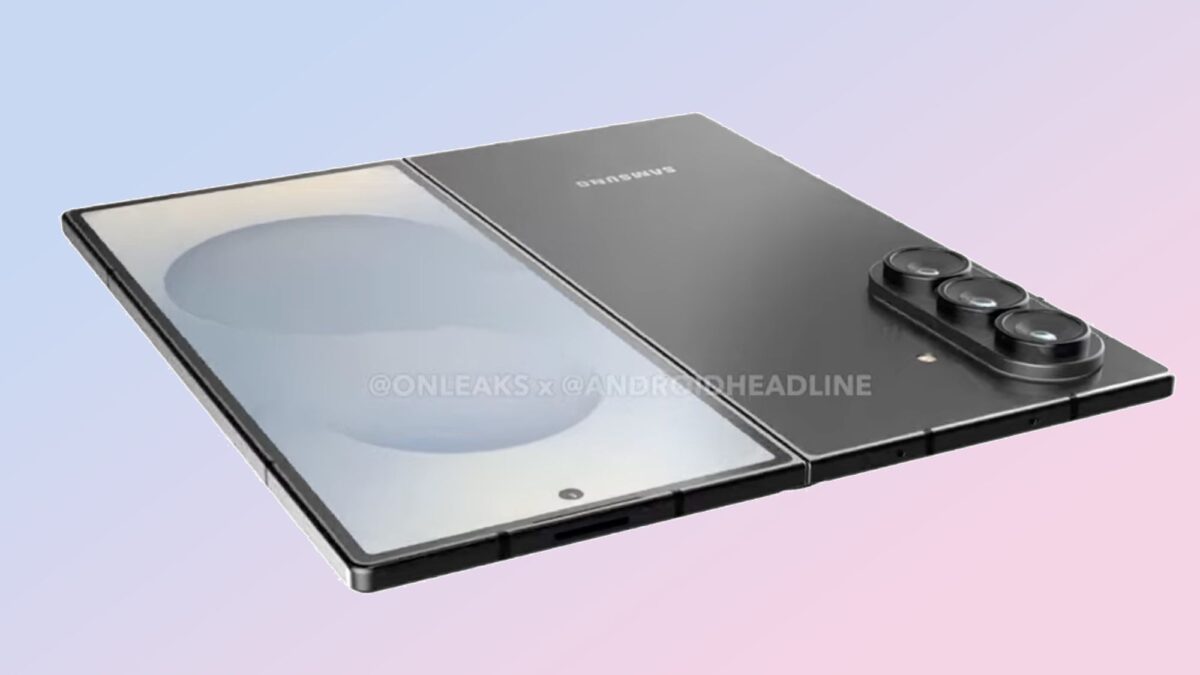
Forget everything you thought you knew about foldable phones being chunky compromises. Leaked CAD renders of the Samsung Galaxy Z Fold7 suggest Samsung is about to deliver a device thinner than most traditional smartphones when unfolded — we’re talking 4.2mm thin. That’s not an incremental update; that’s a fundamental rethinking of what a foldable can be.
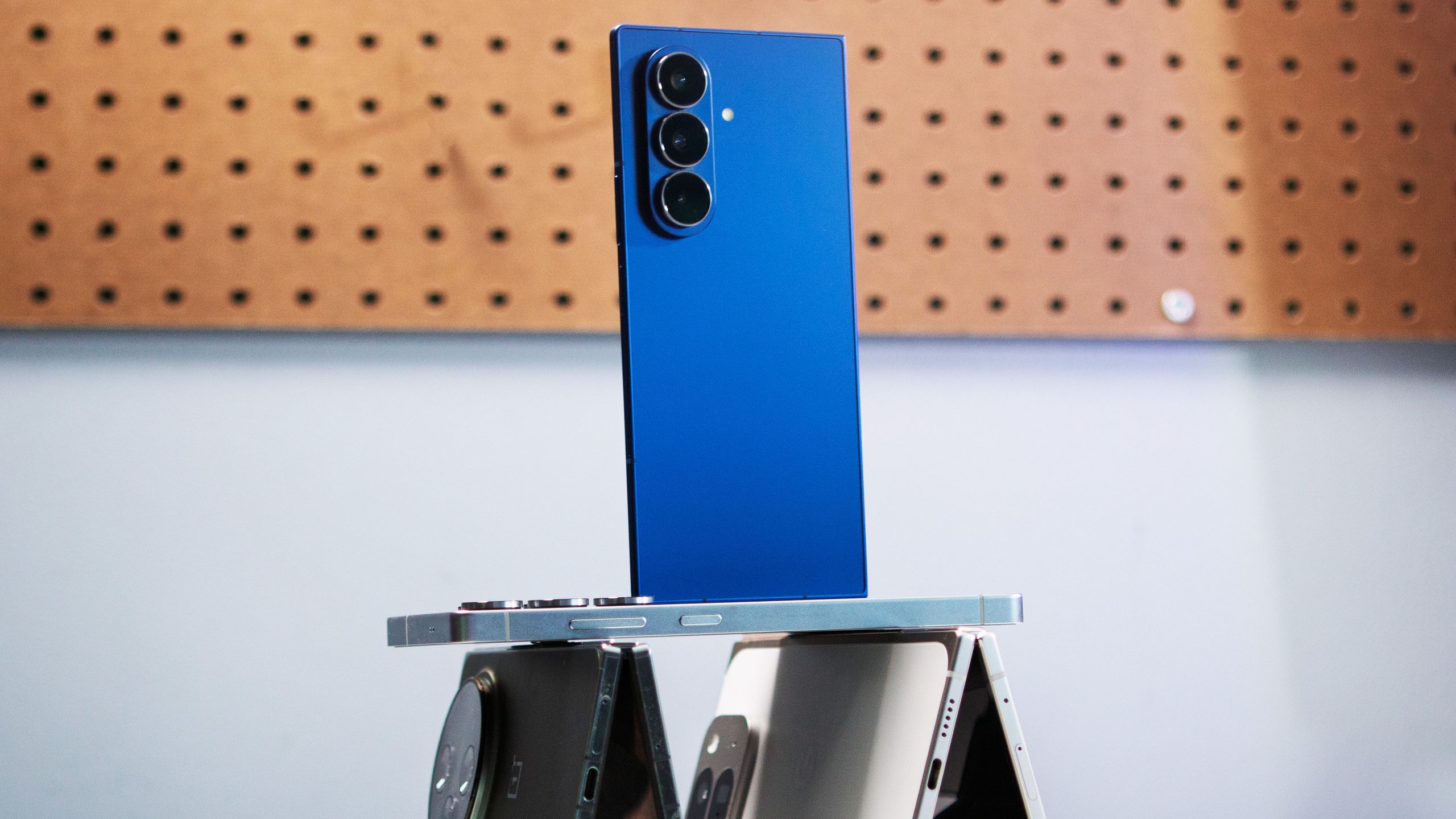
With Samsung’s Galaxy Unpacked event reportedly locked in for July 9, 2025, the rumor mill is running at full speed. From a titanium frame upgrade to a 200MP triple camera system borrowed from the Galaxy S25 Ultra, the Samsung Galaxy Z Fold7 is shaping up to be Samsung’s most ambitious foldable yet. Here’s everything we know so far — and why this generation might finally silence the foldable skeptics.
Samsung Galaxy Z Fold7 Thickness: How Thin Is 4.2mm, Really?
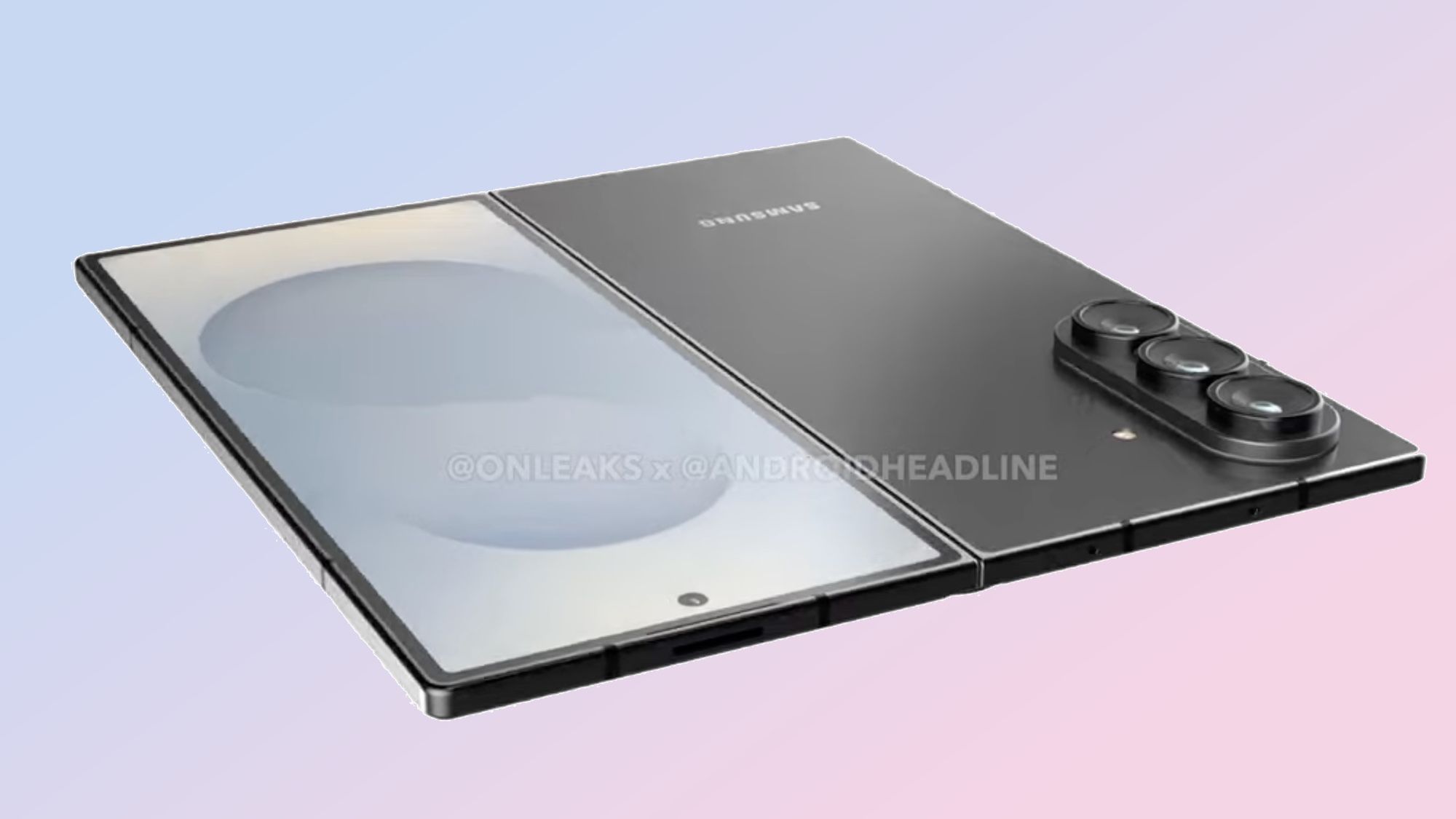
The single most talked-about leak is the thickness — or rather, the lack of it. According to Android Police’s coverage of leaked CAD renders, the Galaxy Z Fold7 reportedly measures just 4.54mm unfolded (some sources say Samsung is targeting 4.2mm for the final production unit) and approximately 9mm when folded.
To put that in perspective: the Galaxy Z Fold6 measured 5.6mm unfolded and 12.1mm folded. The Google Pixel 9 Pro Fold — currently the slimmest foldable widely available in the US — sits at 5.1mm unfolded and 10.5mm folded. If these numbers hold, Samsung wouldn’t just beat the competition; it would lap them.
How is Samsung reportedly achieving this? Two key engineering decisions stand out:
- S Pen digitizer removal: Android Central reports that Samsung has dropped the S Pen digitizer layer from the inner display, saving approximately 0.6mm. This means no more S Pen support — a trade-off that prioritizes slim form factor over stylus functionality.
- Ultra-thin bezels: The inner display bezels are rumored to shrink from 1.9mm on the Fold6 to just 1mm, maximizing screen real estate without increasing the device footprint.
The folded thickness of around 9mm would make the Galaxy Z Fold7 feel remarkably similar to holding a standard flagship phone. That’s the tipping point many consumers have been waiting for — the moment a foldable stops feeling like a novelty and starts feeling like a normal phone that happens to unfold into a tablet.
Titanium Frame: Following the Galaxy Z Fold Special Edition Playbook
According to TechRadar’s reporting, Samsung is rumored to replace the carbon fiber reinforced polymer (CFRP) backplate from the Fold6 with a titanium backplate. This follows the approach Samsung tested with the Galaxy Z Fold Special Edition released in select markets last year.
Titanium offers a compelling combination of properties for a foldable phone: it’s lighter than stainless steel, stronger than aluminum, and more resistant to scratches and dents than either. Apple’s move to titanium with the iPhone 15 Pro proved there’s consumer appetite for premium metal construction, and Samsung appears to be bringing that same material philosophy to its foldable line.
The hinge mechanism — always the most mechanically stressed component of any foldable — is also reportedly getting a titanium treatment. A titanium hinge could significantly improve long-term durability, which has been a persistent concern among foldable phone buyers who worry about mechanical wear over time.
200MP Triple Camera: The Galaxy S25 Ultra’s Best Feature Comes to Foldables
Camera quality has long been the Achilles heel of Samsung’s foldable lineup. While the Galaxy S series packed cutting-edge camera hardware, the Fold series always got a stepped-down version. That pattern reportedly ends with the Galaxy Z Fold7.
According to Tom’s Guide’s comprehensive rumor roundup, the Z Fold7 is expected to feature a 200MP main sensor — the same unit found in the Galaxy S25 Ultra. This would be paired with an upgraded triple camera array that could include:
- 200MP wide: Samsung’s ISOCELL HP2 or newer sensor with advanced pixel-binning for excellent low-light performance
- Upgraded ultrawide: Rumored wider field of view compared to the Fold6’s 12MP ultrawide
- Improved telephoto: Potential 3x or 5x optical zoom, a significant jump from previous Fold generations
If Samsung delivers on this, it would eliminate one of the last remaining reasons to choose a standard flagship over a foldable. The camera gap between the S series and Fold series would essentially close, making the Z Fold7 a true do-everything device.
Display, Processor, and Battery: What Else Is Rumored
Beyond the headline features, several other specifications have leaked or been speculated about:
Display: The inner foldable display is reportedly growing to 8 inches (up from 7.6 inches on the Fold6), while the cover display is expected to measure 6.5 inches. Both panels are rumored to feature Samsung’s latest LTPO AMOLED technology with adaptive refresh rates up to 120Hz. The near-bezel-less inner display should provide an immersive tablet-like experience that makes multitasking genuinely productive.
Processor: The Snapdragon 8 Elite chipset from Qualcomm is the expected silicon, bringing improved AI processing capabilities, better power efficiency, and stronger GPU performance. This aligns with Samsung’s push toward on-device AI features through One UI 8, which is rumored to debut alongside the Z Fold7.
Battery: A 4,400 mAh battery is rumored — a modest but welcome improvement over the Fold6’s 4,400 mAh cell. The real gains here would come from the Snapdragon 8 Elite’s improved power efficiency rather than a larger battery, which makes sense given Samsung’s aggressive thinness targets.
Software: One UI 8, based on Android 15, is expected to bring enhanced AI features including improved Samsung DeX integration, smarter multi-window management on the larger inner display, and new Galaxy AI capabilities that leverage the foldable form factor.
Pricing and Availability: What to Expect
The Samsung Galaxy Z Fold7 is widely expected to be announced at Galaxy Unpacked on July 9, 2025, with availability following within two weeks. Pricing is rumored to start at $1,899 — consistent with previous Fold pricing.
Whether Samsung can maintain that price point while adding titanium construction and a 200MP camera remains to be seen. Some leakers suggest a slight price increase to $1,999, which would still be competitive given the hardware upgrades being discussed.
The timing is interesting too. With Google I/O happening this week and Microsoft Build on the horizon, Samsung’s July announcement gives them a clean window in the tech news cycle — far enough from the spring developer conferences to dominate headlines, and early enough in summer to capture the back-to-school and early holiday planning cycle.
How the Galaxy Z Fold7 Stacks Up Against the Competition
Samsung isn’t operating in a vacuum. The foldable market in 2025 is more competitive than ever. Google’s Pixel 9 Pro Fold proved that a non-Samsung company could build a genuinely compelling book-style foldable. OnePlus and Xiaomi continue to push boundaries in Asian markets with ultra-thin designs of their own. And persistent rumors suggest Apple is exploring a foldable iPhone for 2026 or 2027.
What sets the rumored Z Fold7 apart is the combination of improvements arriving simultaneously. Previous Samsung upgrades felt like one-step-forward, one-step-back affairs — better camera but same thickness, thinner body but same camera. The Z Fold7 leaks paint a picture of Samsung addressing thickness, materials, camera quality, and display size all in a single generation. If the final product delivers on even 80% of what’s been rumored, it would represent a commanding lead over every foldable currently on the market.
Sean’s Take: Why This Generation Feels Different
I’ve been following the foldable phone space since Samsung launched the original Galaxy Fold in 2019, and as someone who’s spent 28+ years working across music production, audio engineering, and tech, I evaluate devices through a practical lens: can this actually replace multiple devices in my workflow?
The previous Fold generations always had a “but” attached to them. The Fold5 was great, but it was too thick. The Fold6 improved, but the camera couldn’t match the S series. The rumored Fold7 specs suggest Samsung is systematically eliminating those “buts” — and that’s what makes this generation feel genuinely different.
The thickness reduction is the big one for me. When I’m moving between studio sessions, meetings, and remote production work, pocket-friendliness isn’t a luxury — it’s a requirement. A foldable that feels like a normal phone when closed but opens into a near-8-inch workspace for reviewing mixes, marking up session notes, or running reference tracks on a larger display? That’s the promise foldables have been making for years. At 4.2mm unfolded, the Z Fold7 might finally deliver on it.
The titanium frame is smart engineering too. I’ve seen too many early foldable adopters deal with hinge wobble and frame flex after a year of heavy use. If Samsung’s titanium hinge proves as durable as the leaks suggest, it could finally address the longevity concerns that have kept many professionals — myself included — cautious about going all-in on a foldable as a daily driver.
That said, I’ll reserve full judgment until we see real-world battery life data and hands-on camera comparisons. Specs on paper and daily performance are two different conversations.
The Bottom Line: Should You Wait for the Galaxy Z Fold7?
If the rumors hold true, the Samsung Galaxy Z Fold7 represents the most significant generational leap in Samsung’s foldable history. The combination of a sub-5mm unfolded profile, titanium construction, and a 200MP camera system addresses virtually every criticism leveled at previous Fold models.
For current Fold5 or Fold6 owners, the upgrade decision will depend on how much the thinness and camera improvements matter to your daily use. For anyone who’s been foldable-curious but waiting for the tech to mature — the Z Fold7 might be the generation that finally earns your money. We’ll know for sure when Samsung takes the stage on July 9.
Get weekly AI, music, and tech trends delivered to your inbox.