
Neural DSP Quad Cortex CorOS 3.2 Roadmap: Cory Wong X, ESS Codec, and 5 Features Worth the Wait
May 8, 2025
ChatGPT Memory Update: How Persistent Context Across All Chats Changes Everything (And What You Should Watch Out For)
May 9, 2025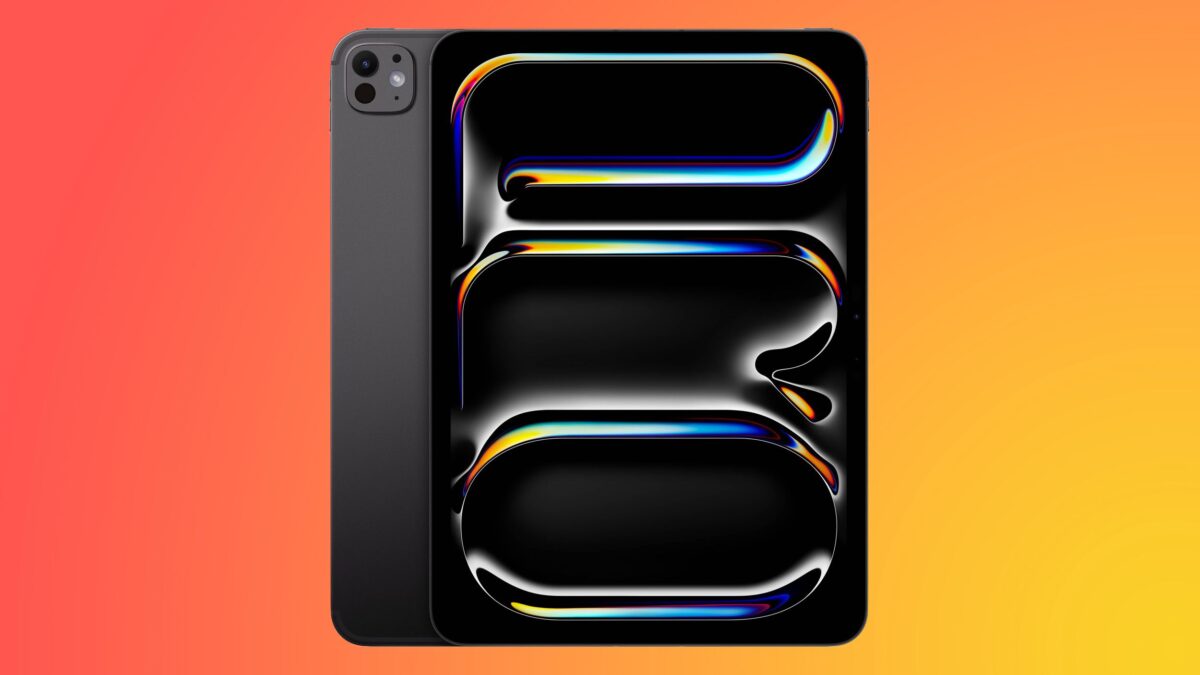
36% faster GPU. 240Hz Pencil sampling. Dual Face ID. If even half the iPad Pro M5 rumors pan out, Apple is about to make every other tablet on the market feel like a museum exhibit.
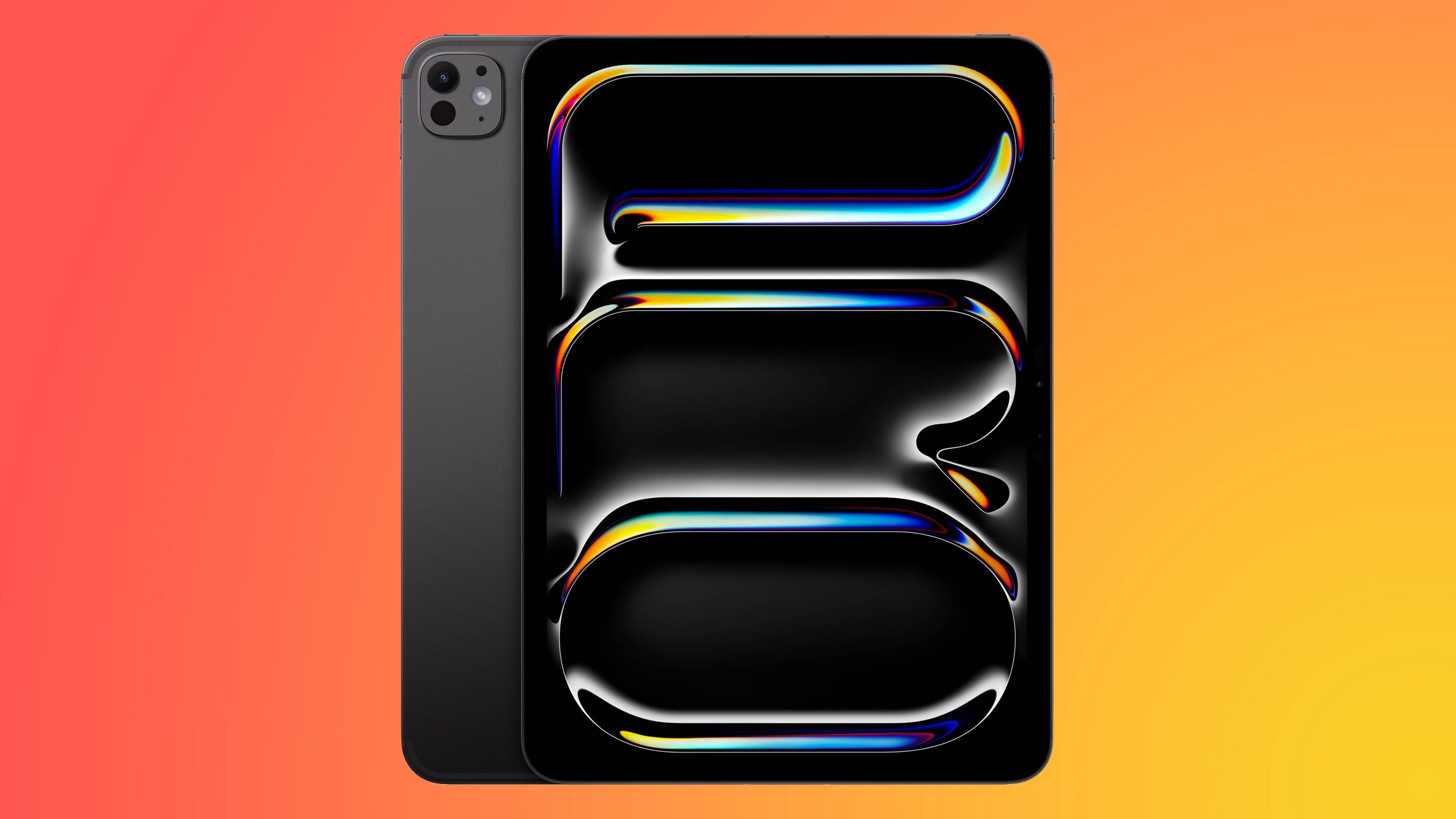
The current M4 iPad Pro already sits comfortably at the top of the tablet food chain — the thinnest Apple device ever made, with a tandem OLED display that embarrasses most laptop screens. So when credible leakers start dropping performance numbers for its successor, the natural question isn’t “will it be good?” but “how much further ahead can Apple actually pull?” Based on developer logs, benchmark databases, and supply chain reports from MacRumors, AppleInsider, and industry analysts at Omdia — the answer is “significantly.”
The M5 Chip: TSMC 3nm With Serious iPad Pro M5 Rumors Around Performance
At the heart of every iPad Pro M5 rumor is the next-generation Apple silicon. Geekbench results that surfaced in early 2025 paint a compelling picture: approximately 12% faster multi-core CPU performance and a staggering 36% GPU improvement over the M4. Apple is reportedly sticking with TSMC’s refined 3nm process node, squeezing out both performance and power efficiency gains simultaneously.
What makes these numbers particularly interesting is context. The M4 was already a generational leap — Apple’s first chip purpose-built for the iPad Pro rather than adapted from Mac silicon. The M5 builds on that foundation with a minimum of 12GB RAM across all configurations, confirmed through developer log analysis reported by 9to5Mac. That’s a significant bump from the M4’s 8GB base configuration, and it matters enormously for creative professionals running memory-hungry apps like Procreate Dreams, DaVinci Resolve, or Logic Pro.
AppleInsider has identified multiple device codenames in testing — J817, J820, and J821 — suggesting at least three distinct iPad Pro M5 configurations. Whether that means different screen sizes, storage tiers, or entirely new form factors remains unclear, but the sheer number of devices in Apple’s testing pipeline signals a major product refresh rather than a simple spec bump.
240Hz ProMotion for Apple Pencil: Where Display Tech Gets Wild
Here’s the rumor that has digital artists paying close attention. The current iPad Pro already supports 240Hz Apple Pencil input sampling on its 120Hz ProMotion display — meaning the tablet tracks your stylus at twice the screen’s refresh rate, delivering roughly 9ms of drawing latency. That’s already class-leading. But whispers from the supply chain suggest Apple might push the actual display refresh rate higher for Pencil interactions.
The technical foundation exists. Apple’s own developer documentation reveals that ProMotion displays dynamically adjust their refresh rate based on input type. When the system detects Apple Pencil contact, it already shifts to a higher sampling mode. The question is whether Apple can push the tandem OLED panels themselves to refresh at 240Hz during active Pencil use — a variable refresh rate approach that would keep battery life reasonable during normal use while delivering unprecedented drawing responsiveness when it counts.
Samsung Display and LG Display are confirmed suppliers of the tandem OLED panels for the M5 iPad Pro, according to Omdia’s May 2025 display industry report. Tandem OLED stacks two emission layers, which already enables higher peak brightness and longer panel lifespan. Pushing refresh rates higher is technically feasible with this architecture, though it would require careful thermal management — something the M5’s improved power efficiency could enable.
Dual Face ID and Design Refinements
One of the more practical upgrades rumored for the iPad Pro M5 is dual Face ID — front-facing TrueDepth cameras positioned for both landscape and portrait orientation. Anyone who has fumbled with Face ID while their iPad is docked in a keyboard case knows exactly why this matters. According to reports from multiple outlets, Apple is implementing chip-on-film display technology to achieve thinner bezels, creating space for the additional camera module without increasing the device’s footprint.
Screen sizes might also see a subtle increase. PhoneArena reports that Apple is testing 11.5-inch and 13.5-inch configurations — modest half-inch bumps from the current 11-inch and 13-inch models. Combined with thinner bezels, the result would be more screen real estate in a body that’s roughly the same size or potentially even smaller than the current generation.
Connectivity upgrades round out the hardware picture: Wi-Fi 7 for dramatically faster wireless throughput and Bluetooth 6 for improved accessory connections. For studio professionals who transfer large project files wirelessly or connect multiple Bluetooth audio devices, these aren’t trivial improvements.
Pricing and Release Window: When Can You Actually Buy One?
The consensus among reliable sources points to a fall 2025 launch — likely October or November, following Apple’s established cadence for iPad Pro refreshes. Mark Gurman at Bloomberg, who has an enviable track record with Apple predictions, has corroborated the late 2025 timeline.
Pricing is expected to hold steady at the M4’s launch points: $999 for the 11-inch (or 11.5-inch) model and $1,299 for the 13-inch (or 13.5-inch) model. Apple rarely changes pricing tiers between generations, preferring to increase value rather than cost. The 12GB RAM minimum across all models — up from 8GB in the base M4 — represents genuine added value without a price increase, assuming the rumors hold.
What This Means for Creative Professionals
The M5 iPad Pro rumors collectively paint a picture of a device that’s evolving from “powerful tablet” to “legitimate creative workstation.” The 12GB RAM floor means apps like Procreate can handle larger canvases with more layers without hitting memory walls. The 36% GPU boost translates directly to faster rendering in DaVinci Resolve and smoother real-time effects in motion graphics workflows. And if the 240Hz Pencil display rumors are accurate, digital illustrators and designers will have the closest-to-analog drawing experience ever achieved on a tablet.
For music producers, the M5’s performance gains are equally relevant. Logic Pro on iPad already handles complex sessions with dozens of tracks and plugins — more headroom means bigger sessions, more real-time effects, and smoother live performance capabilities. Wi-Fi 7 could transform how studios handle file transfers between iPad and desktop setups.
My Take: A Producer’s Perspective on the M5 iPad Pro
After 28 years in music production and audio engineering, I’ve watched tablets go from expensive toys to genuine production tools. The M4 iPad Pro was the first tablet I could honestly recommend as a primary creative device for certain workflows — tracking vocals with a portable rig, running Logic Pro sessions on location, using it as a control surface in the studio. The M5 looks like it could close the remaining gaps.
The 12GB RAM floor is the upgrade I’m most excited about. I’ve hit memory limits on the 8GB M4 model running large Logic Pro sessions with memory-hungry sampler instruments. That extra 4GB isn’t just a spec sheet number — it’s the difference between your session running smoothly and that dreaded “not enough memory” dialog appearing mid-take. The 36% GPU improvement also suggests Apple is positioning the iPad Pro for more serious video and visual work, which matters for anyone producing multimedia content.
The 240Hz Pencil display rumor is fascinating from a latency perspective. In audio, we obsess over milliseconds — the difference between 5ms and 20ms of monitoring latency completely changes how a performer interacts with their sound. The same principle applies to digital drawing. If Apple can deliver sub-5ms pen-to-screen latency, they’ll have created something that genuinely feels like putting ink on paper. That’s not hyperbole — it’s physics and human perception thresholds.
My only concern? iPadOS still needs to catch up with the hardware. Apple has made progress with Stage Manager and external display support, but the M5’s raw power will be wasted if the software doesn’t evolve to match. I’m hoping WWDC 2025 addresses this with more robust multitasking and pro-app support.
Should You Wait or Buy the M4 Now?
If you’re currently using an M1 or M2 iPad Pro, waiting for the M5 makes strategic sense — the cumulative improvements across two chip generations will be substantial. If you’re on an M4, the upgrade calculus is less clear-cut. The 12GB RAM minimum is compelling if you’ve been hitting memory limits, but the core experience won’t change dramatically.
For anyone buying their first iPad Pro or upgrading from a non-Pro model, the M5’s fall 2025 launch is close enough to justify patience. The combination of M5 performance, potential 240Hz Pencil display, dual Face ID, and Wi-Fi 7 represents a genuinely comprehensive upgrade that will likely define the iPad Pro experience for the next two years.
The bottom line: Apple’s M5 iPad Pro appears to be a device that takes the already-excellent M4 formula and addresses its handful of legitimate shortcomings — RAM capacity, biometric convenience, and connectivity standards. Whether the 240Hz display rumor materializes or not, the M5 looks set to be the most capable tablet ever made. And for creative professionals who depend on their tools, that kind of incremental excellence is exactly what matters.
Curious how next-gen hardware reshapes music production and creative workflows? Get weekly insights on AI, music tech, and studio gear delivered straight to your inbox.
Get weekly AI, music, and tech trends delivered to your inbox.