Azure AI Foundry: Everything You Need to Know About Microsoft Build 2025’s 1,900-Model Platform
May 8, 2025
iPad Pro M5 Rumors: 5 Leaked Specs That Could Redefine Tablet Computing in 2025
May 8, 2025
A $100 price hike, a complete audio codec swap, and three flagship plugin ports heading to hardware — Neural DSP just dropped Development Update #56, and there is a lot to unpack for every Quad Cortex owner watching the CorOS 3.2 roadmap take shape.
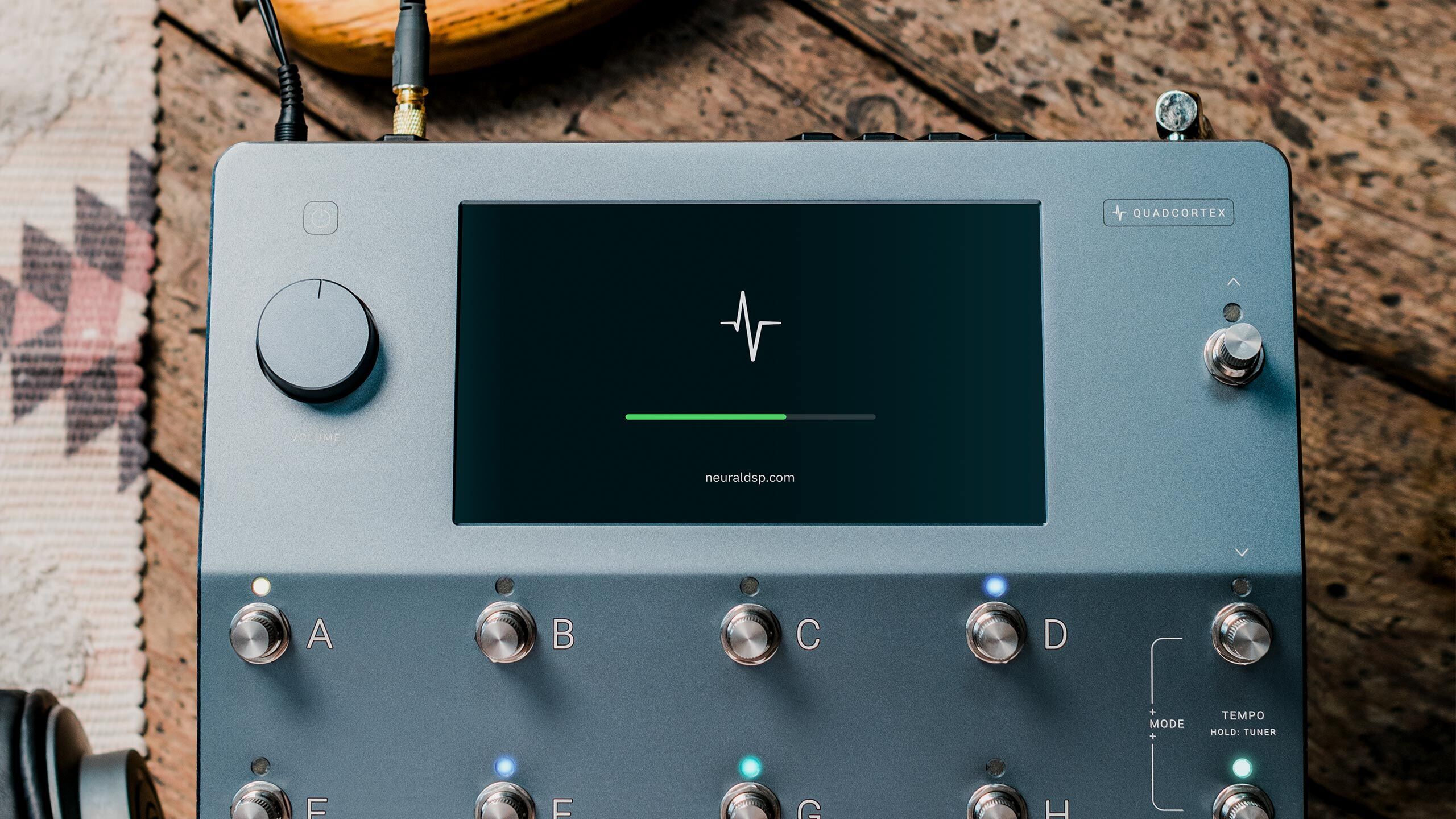
If you have been following the Neural DSP Quad Cortex CorOS 3.2 development cycle, you know the community has been equal parts excited and frustrated. Excited because the platform keeps gaining ground as the most forward-thinking modeler on the market. Frustrated because new amp models have been conspicuously absent for over a year. Development Update #56 addresses some of that tension — and introduces a few surprises that deserve a closer look.
The $100 Price Increase: Tariffs Hit the Quad Cortex
Before we get into firmware features, let’s address the elephant in the room. As of today, May 8, 2025, Neural DSP has raised the Quad Cortex’s U.S. Minimum Advertised Price from $1,699 to $1,799. The reason is straightforward: new U.S. tariffs on imported electronics. Neural DSP is a Finnish company manufacturing hardware that ships globally, and the tariff impact was unavoidable.
For anyone on the fence, the math is simple — the unit you could have bought last week now costs $100 more, and there is no indication that prices will come back down. If you were planning to buy, the window just got more expensive. If you already own one, the value of what’s coming in CorOS 3.1.1 and 3.2 should soften the blow considerably.
CorOS 3.1.1: The ESS Codec Switch Nobody Expected
The most technically significant announcement in Update #56 isn’t a flashy new plugin — it’s a hardware-level change. Starting in August 2025, every new Quad Cortex manufactured will ship with a new ESS audio codec, replacing the original component that has been discontinued by its manufacturer.
This is the kind of supply chain decision that can make or break a product’s reputation. Neural DSP is handling it proactively: CorOS 3.1.1, expected in June 2025, will include full ESS codec support so that new-revision units function identically to existing ones. The company claims the transition involves no audio quality compromise and delivers roughly 50% power reduction on the codec side.
For existing owners, this means nothing changes in your unit. For future buyers, it means Neural DSP is future-proofing the hardware rather than letting a discontinued component create availability problems. It is a smart move that shows long-term commitment to the platform.
Live Tuner in Gig View: A Small Feature That Matters on Stage
CorOS 3.1.1 also introduces a Live Tuner display in Gig View, available to all users. This is one of those quality-of-life improvements that seems minor on paper but matters enormously on stage. Being able to see your tuner without leaving your performance view eliminates a step that, under stage pressure, can feel like an eternity.
Additional 3.1.1 improvements include expanded LED brightness options and Previous/Next navigation in the Scene Editor — small refinements that collectively make the day-to-day experience smoother.
Neural DSP Quad Cortex CorOS 3.2: Three Flagship Plugins Come to Hardware
Here’s where the roadmap gets genuinely exciting. CorOS 3.2.0 will bring three of Neural DSP’s most popular desktop plugins directly to the Quad Cortex hardware:
- Archetype: Cory Wong X — The funk and clean tone machine that has become a studio staple for session players. Having Cory Wong X running natively on the Quad Cortex means you can take those pristine, dynamic clean tones straight to the stage without a laptop in sight.
- Archetype: Nolly X — Adam “Nolly” Getgood’s high-gain monster, beloved by metal and progressive rock producers. This port brings studio-grade high-gain tones to a live rig in a way that was previously only possible with the desktop plugin.
- Parallax X — Neural DSP’s dedicated bass processing suite. For bass players who have felt underserved by the Quad Cortex’s stock offerings, Parallax X arriving on hardware is a significant moment.
This triple port is more than just adding new sounds. It represents Neural DSP’s broader strategy of ecosystem unification — closing the gap between what you can do on desktop and what you can do on their hardware. If you already own these plugins, the prospect of running them on a pedalboard without any additional gear is compelling.
Built-in Metronome: The Most Requested Practice Feature Finally Arrives
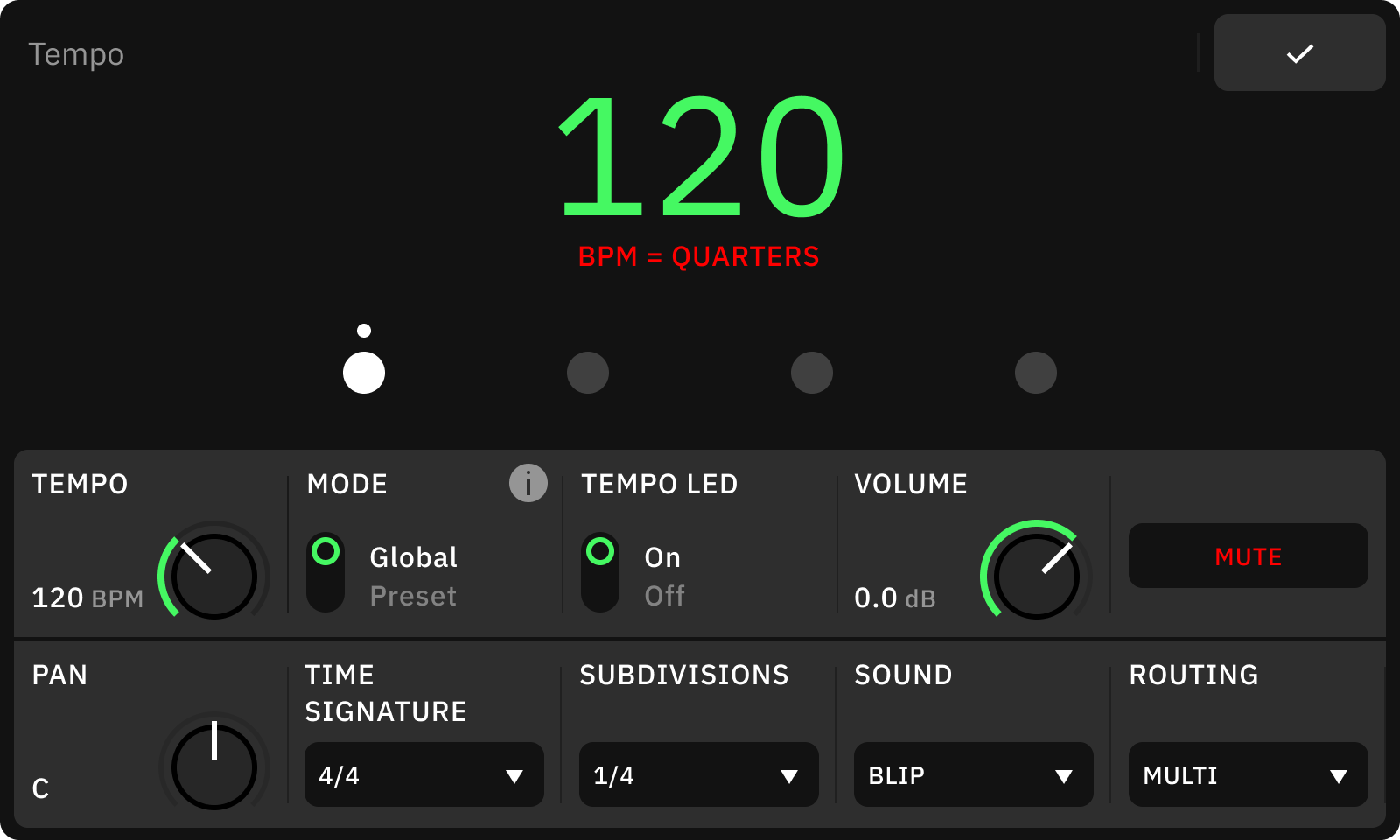
The Quad Cortex is getting a built-in metronome in CorOS 3.2, and it is far more capable than a basic click track. Neural DSP is implementing scene assignment, looper sync, and customizable time signatures — which means the metronome integrates directly into your workflow rather than existing as an isolated utility.
The looper sync feature is particularly noteworthy. Users in Neural DSP’s community forum are already highlighting that the metronome will work with the looper without being recorded into the loop itself. That distinction matters enormously for practice sessions and live performance — you get timing reference without it bleeding into your captured audio.
CorOS 3.2 also introduces a Follow Input setting for sidechain-compatible devices, expanding the Quad Cortex’s routing flexibility for more complex signal chain setups.
Community Reaction: Excitement Meets Impatience
The forum response to Development Update #56 reflects the duality that has defined the Quad Cortex community for the past year. On one hand, there is genuine excitement about the plugin ports and the metronome. These are features people have been asking for, and Neural DSP is delivering.
On the other hand, a vocal segment of the community is frustrated about what’s not in the update: new amp models. Neural DSP hasn’t released a new amp model for the Quad Cortex in over a year at this point, and some users feel that CorOS 3.2 is leaning too heavily on porting existing paid plugins rather than expanding the free content library.
There’s also concern that the CorOS 3.2 roadmap is becoming plugin-exclusive — meaning the most exciting new content requires owning Neural DSP’s desktop plugins. For users who bought the Quad Cortex as a standalone unit, this feels like a shift in value proposition.
Some users are also looking further ahead, hoping for features like a synth block in future updates. The community clearly sees the Quad Cortex as a platform with untapped potential, and the tension between Neural DSP’s release pace and user expectations is real.
My Take: What 28 Years in Audio Taught Me About Platform Bets
I’ve watched hardware platforms come and go for nearly three decades, and the pattern is almost always the same: a company launches impressive hardware, builds initial momentum, then either commits to long-term software support or lets the platform stagnate. What Neural DSP is doing with the Quad Cortex falls firmly in the first camp, even if the community doesn’t always see it that way.
The ESS codec transition is the detail that tells me the most about Neural DSP’s intentions. Most companies facing a discontinued component would either stockpile the old parts or quietly introduce a hardware revision and hope nobody notices a difference. Neural DSP is instead engineering firmware-level support months in advance, communicating the change openly, and ensuring backward compatibility. That’s the behavior of a company planning to sell and support this product for years, not one milking a product cycle.
As for the plugin ports versus new amp models debate — I understand both sides, but I think the plugin strategy is the smarter long-term play. Neural DSP’s desktop plugins are genuinely best-in-class for their respective tonal categories. Bringing Cory Wong X, Nolly X, and Parallax X to hardware isn’t just adding content; it’s proving that the Quad Cortex can run the same algorithms that made Neural DSP’s reputation in the first place. That ecosystem coherence is what separates a platform from a product.
The $100 price increase is unfortunate but inevitable given the tariff situation. My advice: if you’re a working musician who needs this kind of flexibility on stage, the Quad Cortex at $1,799 with the CorOS 3.2 roadmap ahead of it is still one of the strongest value propositions in the modeler market. The investment pays for itself the first time you leave your laptop at home for a gig.
What This Means for Quad Cortex Owners Going Forward
Development Update #56 paints a clear picture of where Neural DSP is taking the Quad Cortex platform through the rest of 2025. CorOS 3.1.1 handles the immediate housekeeping — codec transition, tuner improvements, workflow refinements. CorOS 3.2 delivers the headline features — three major plugin ports, a fully integrated metronome, and expanded routing options.
Whether you’re a current owner or considering the purchase at the new $1,799 price point, the trajectory is encouraging. Neural DSP is building toward a future where the gap between their desktop and hardware ecosystems effectively disappears. For guitarists, bassists, and producers who want studio-grade tone processing in a stage-ready format, that convergence is exactly what the Quad Cortex was designed to deliver — and CorOS 3.2 brings it one significant step closer.
Dialing in your live rig or building a studio workflow around the Quad Cortex? Let’s talk about getting the most out of your signal chain.
Get weekly AI, music, and tech trends delivered to your inbox.