ROLI Seaboard Rise 2 Long-Term Review: 6 Months with the Most Expressive MPE Controller
May 13, 2025NVIDIA Project DIGITS Review: Hands-On with the $3,000 Desktop AI Supercomputer
May 14, 2025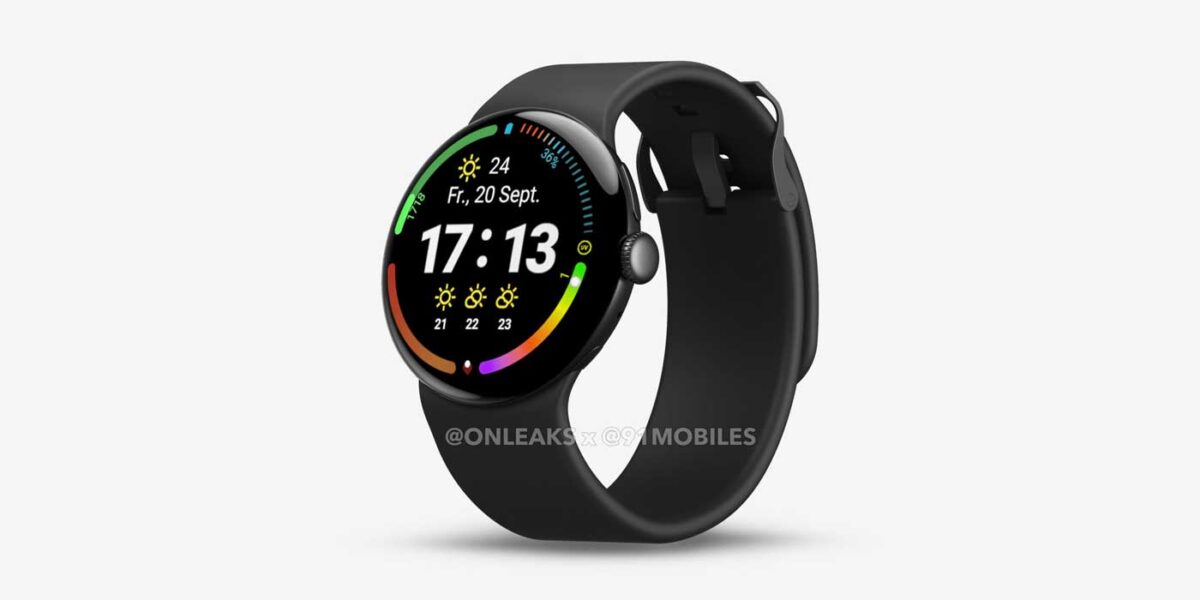
Google Pixel Watch 4 just showed its face months ahead of schedule, and the leaked renders tell a story that goes far beyond a cosmetic refresh. New sensor bumpers, no charging pins, and the shadow of a custom Tensor wearable chip looming on the horizon — this is Google signaling a fundamental shift in how it thinks about your wrist.
What the Google Pixel Watch 4 Renders Actually Reveal
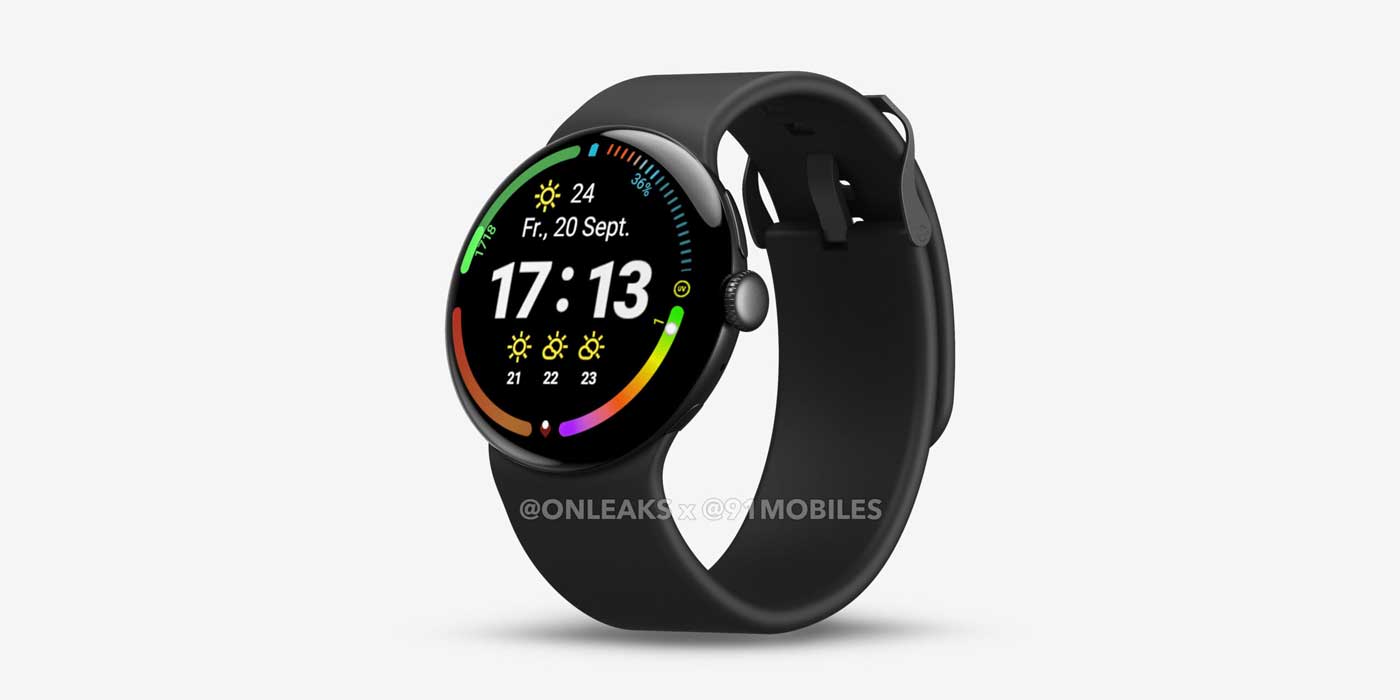
The first leaked renders of the Pixel Watch 4, published by 9to5Google in April 2025, show a device that looks familiar from the front but tells a completely different story underneath. The display still sports that signature round face Google introduced with the original Pixel Watch, but the bezels are noticeably thinner, and the overall thickness measures in at 14.3mm.
The real drama is on the underside. Google has removed the charging pins entirely, which strongly suggests a shift to wireless or contactless charging. This is a big deal — those exposed pins have been a consistent complaint among Pixel Watch owners, collecting debris and occasionally causing charging issues. Two new bumpers flanking the speaker on the bottom of the watch have sparked intense speculation: they could be dedicated ECG contact points, vibration dampeners for improved haptic feedback, or part of an entirely new sensor array.
The Tensor Watch Chip: Google’s Custom Silicon Play
Here is where the Pixel Watch 4 story gets genuinely interesting. Leaked internal documents from Google’s gChips division, reported by 9to5Google, confirm that the company is developing a custom Tensor wearable chip codenamed NPT (Newport Beach). The chip features a 1x ARM Cortex-A78 big core paired with 2x ARM Cortex-A55 efficiency cores, fabricated on TSMC’s cutting-edge 3nm process node.
To put that in perspective, current Pixel Watch models run on Qualcomm’s Snapdragon W5+ Gen 1, which uses older Cortex-A53 cores on a 4nm process. The jump to Cortex-A78 represents a roughly 20% single-core performance improvement, while the 3nm fabrication should deliver significantly better power efficiency — meaning longer battery life without increasing the physical size of the watch.
Now, the important caveat: the NPT chip is reportedly targeted for the 2026 Pixel Watch 5, not the Pixel Watch 4. The Pixel Watch 4 will likely ship with a Snapdragon W5 Gen 2 processor. But the development of this custom chip tells us everything about Google’s long-term strategy.
Why Custom Silicon Matters for Google Pixel Watch 4 and Beyond
Google’s move to in-house silicon for wearables mirrors exactly what it did with the Pixel phone lineup. The Tensor chip in Pixel phones was not just about raw performance — it was about enabling on-device AI capabilities that competitors could not match. As Android Central reported, the NPT chip could bring Gemini-level AI processing directly to the watch. Imagine real-time health anomaly detection, contextual fitness coaching that adapts mid-workout, or natural language interactions that do not require a phone connection.
The custom chip could also significantly improve health sensor processing. Current smartwatches often send raw sensor data to the paired phone for heavy computation. With sufficient on-device processing power, the watch itself could run complex algorithms for ECG analysis, blood oxygen monitoring, and sleep pattern detection — faster results, lower latency, and reduced battery drain from Bluetooth data transfer.
Health Sensors: What Those Mystery Bumpers Could Mean
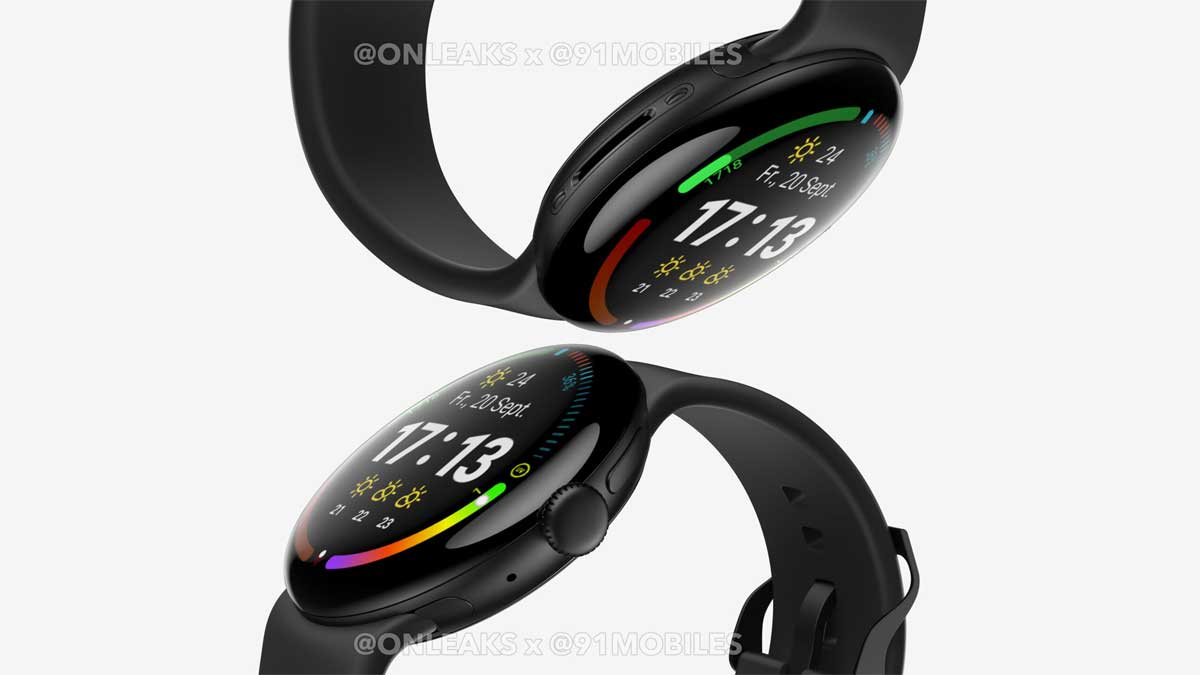
The two new bumpers visible in the Pixel Watch 4 renders deserve close examination. The most likely explanation is that they serve as dedicated ECG electrodes. Current Pixel Watch models already offer ECG functionality, but the electrode placement has been limited to the crown and case back. Dedicated, raised contact points could improve signal quality and make ECG readings more consistent — especially during physical activity when skin contact can be unreliable.
Another possibility: these bumpers could be related to blood pressure monitoring. Samsung has been offering blood pressure tracking on Galaxy Watch since 2020 (though limited to South Korea initially), and Apple has been rumored to be working on the feature for years. Google adding blood pressure monitoring to the Pixel Watch 4 would be a significant competitive move, especially for the health-conscious audience that the Pixel ecosystem attracts.
The removal of charging pins also opens up more real estate on the watch’s underside for sensor arrays. Without those pins occupying space, Google’s engineers have more flexibility to position optical heart rate sensors, SpO2 sensors, and potentially new bioimpedance sensors for body composition analysis.
Battery Life and Build Quality: The Community’s Top Demands
According to Android Authority’s community poll, 56% of prospective Pixel Watch 4 buyers rank better battery life as their number one priority. The current Pixel Watch 3 manages roughly 24 hours with always-on display — acceptable but hardly industry-leading. For comparison, the Apple Watch Ultra 2 pushes past 36 hours, and Garmin’s lineup routinely delivers a week or more.
The second most requested feature, at 18%, is a more rugged build. The Pixel Watch’s signature domed glass design looks premium but has proven fragile in practice. Users have been asking for a more durable option — something along the lines of Apple’s Ultra line or Samsung’s upcoming Galaxy Watch Ultra successor. Google reportedly exploring more repairable smartwatch designs suggests the company is listening, though whether that translates into a tougher Pixel Watch 4 remains to be seen.
GPS accuracy is another major pain point, particularly for fitness enthusiasts who rely on the watch for running, cycling, and hiking. Pixel Watch 3 improved GPS performance over its predecessors, but it still lags behind dedicated fitness watches from Garmin and COROS. If the Pixel Watch 4 can close this gap, it could genuinely challenge Apple Watch’s dominance among fitness-focused smartwatch users.
Wear OS 6 and the Software Advantage
Hardware only tells half the story. The Pixel Watch 4 is expected to launch alongside Wear OS 6, which should bring deeper Google AI integration, improved notification management, and potentially a redesigned home screen experience. Google has been steadily improving Wear OS since it partnered with Samsung on the platform’s reboot, and version 6 could be the release where it finally feels polished enough to compete with watchOS on user experience grounds.
The tight integration between Pixel hardware and Wear OS gives Google an advantage similar to Apple’s ecosystem lock-in. Features like crash detection, fall detection, and emergency SOS work best when the hardware and software are designed together — and that optimization only gets better with each generation.
Expected Timeline: When Can You Buy the Pixel Watch 4?
Based on Google’s established pattern, the Pixel Watch 4 should be officially announced at the Made by Google hardware event in August 2025, with availability shortly after. The timing aligns with Google I/O 2025 serving as the software preview (Wear OS 6 beta) and the fall event delivering the hardware itself.
Pricing will be key. The Pixel Watch 3 launched at $349, positioning it directly against the Apple Watch Series 9. If Google can maintain that price point while delivering meaningful hardware improvements — better battery, improved sensors, wireless charging — the value proposition becomes compelling, especially for Android users who have been waiting for a truly premium smartwatch option.
Sean’s Take: What 28 Years in Tech Taught Me About Wearable Shifts
I have been watching the wearable tech space since the first Fitbit, and what Google is doing with the Pixel Watch line reminds me of a pattern I have seen repeatedly in consumer electronics: the third or fourth generation is where things get serious. The first generation proves the concept. The second refines it. The third builds confidence. And the fourth is where the company finally has enough data, enough user feedback, and enough engineering maturity to make bold moves.
The decision to develop a custom Tensor wearable chip is the clearest signal yet that Google is not treating the Pixel Watch as a side project. In my experience, when a company invests in custom silicon for a product line, it means they are planning at least five to seven years ahead. That is the kind of commitment that changes market dynamics.
What excites me most is the health sensor potential. As someone who wears both an Apple Watch Ultra and a Pixel Watch 3 daily (yes, one on each wrist — occupational hazard of being a tech reviewer), I can tell you that the software experience on Pixel Watch is already surprisingly good. The hardware just needs to catch up. If these new sensor bumpers deliver better ECG consistency and if Google can match Apple’s blood oxygen monitoring reliability, the Pixel Watch 4 could be the first Android smartwatch I recommend without caveats.
The wireless charging switch is also overdue. Those charging pins were a design compromise from day one, and eliminating them is one of those quiet improvements that dramatically improves the daily experience. Sometimes the most impactful hardware changes are the ones you stop noticing — and that is exactly what good charging should be.
The Bottom Line
The Google Pixel Watch 4 is shaping up to be the most significant update in the line’s history. Wireless charging, redesigned health sensors, thinner bezels, and the promise of custom Tensor silicon (even if it arrives in the next generation) all point to a company that is done experimenting and ready to compete. For Android users who have been envious of Apple Watch owners, fall 2025 might finally be the time to stop waiting.
Whether you are tracking your health metrics, counting on reliable GPS for your morning runs, or simply want a smartwatch that does not die before dinner, the Pixel Watch 4 has the right upgrades in the right places. Keep an eye on Google I/O and the Made by Google event this summer — the wearable landscape is about to shift.
Get weekly AI, music, and tech trends delivered to your inbox.