Spectrasonics Omnisphere 3 Rumors: What We Know About the Next Update
June 9, 2025
OpenAI o3 Gets 80% Cheaper and Launches o3-pro: What the Biggest API Price Drop of 2025 Means for Developers
June 10, 2025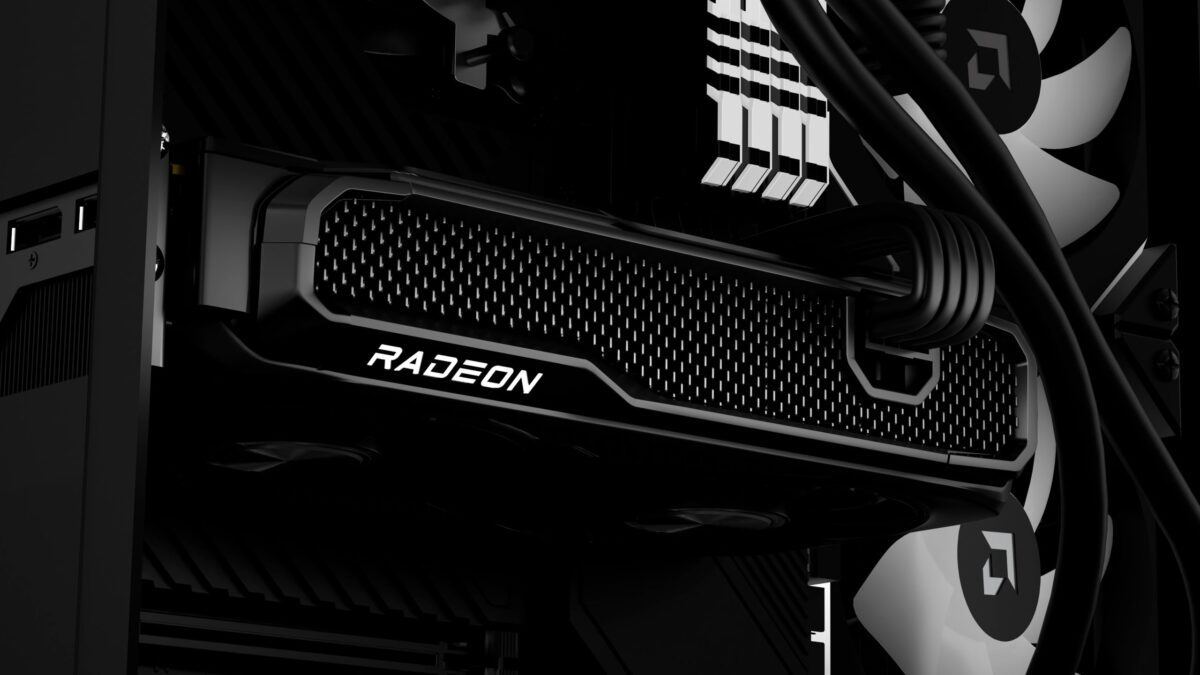
Four days ago, AMD finally pulled the trigger on one of the most anticipated budget GPUs in years — and the AMD Radeon RX 9060 XT might have just rewritten the rules of what $299 can buy you in 2025. After months of leaks, speculation, and a dramatic Computex 2025 reveal, the Navi 44-based card hit shelves on June 5th with a promise that sounds almost too good: faster than the RTX 5060 at the same price point.
I’ve been tracking RDNA 4 rumors since late 2024, and now that real benchmarks are rolling in, the picture is clear — AMD isn’t just competing in the budget segment anymore. They’re trying to own it.
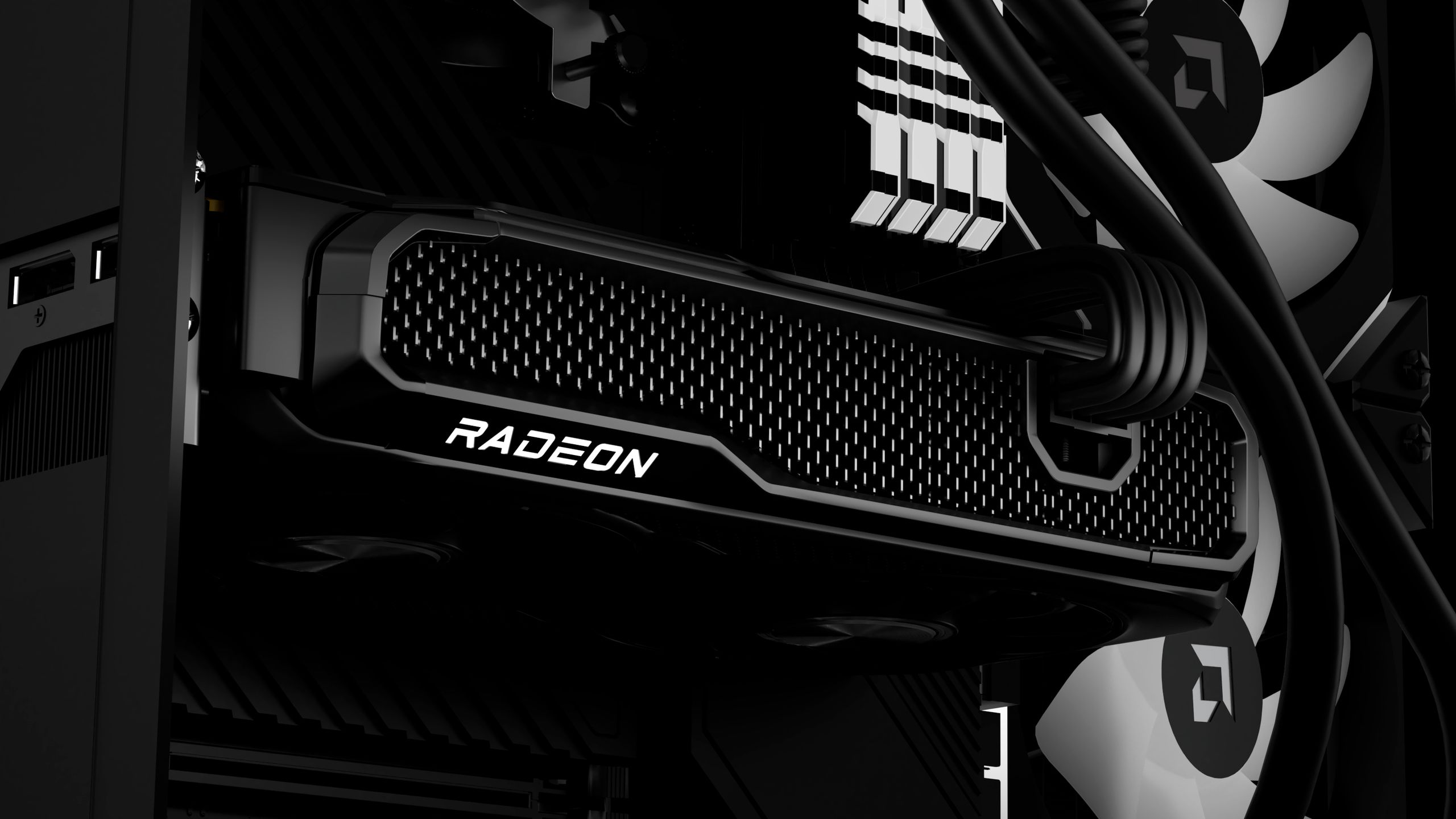
AMD Radeon RX 9060 XT Specs: What Navi 44 Brings to the Table
The AMD Radeon RX 9060 XT is built on the Navi 44 die, the smaller of AMD’s two RDNA 4 silicon designs. But don’t let the “smaller” label fool you — this GPU packs serious hardware for its price bracket. Here’s what you’re getting:
- GPU Architecture: RDNA 4 (Navi 44)
- Compute Units: 32 CUs / 2,048 Stream Processors
- Boost Clock: 3,130 – 3,320 MHz (varies by model)
- Game Clock: 2,780 MHz
- Memory: 8GB ($299) or 16GB ($349) GDDR6 on a 128-bit bus
- Memory Bandwidth: 340 GB/s (20 Gbps effective)
- TDP: 150 – 182W (single 8-pin power connector)
- Interface: PCIe 5.0 x16
- Display Outputs: DisplayPort 2.1a + HDMI 2.1b
- Ray Tracing: 3rd Generation RT cores (32 cores)
- AI Accelerators: 2nd Generation with FP8 support
Those clock speeds are remarkable. Hitting 3,130 MHz boost on reference designs — with AIB partner cards pushing up to 3,320 MHz — puts this GPU in territory that mainstream cards rarely touch. The single 8-pin power connector is a welcome design choice, too. No adapter headaches, no 600W power supply requirements. Just plug it into any decent gaming build and go.
Performance Benchmarks: How the RX 9060 XT Stacks Up
Let’s cut straight to the numbers everyone cares about. According to XDA Developers’ head-to-head comparison, the AMD Radeon RX 9060 XT is roughly 7% faster than NVIDIA’s RTX 5060 at 1080p rasterization. That’s the resolution this card is designed for, and it delivers.
AMD’s own data from the Computex 2025 announcement claims the card is 6% faster than the RTX 5060 Ti across a 40-game average at 1440p, though independent reviewers are still validating those figures. If that holds up, it’s an extraordinary value proposition considering the 5060 Ti costs $50-100 more.
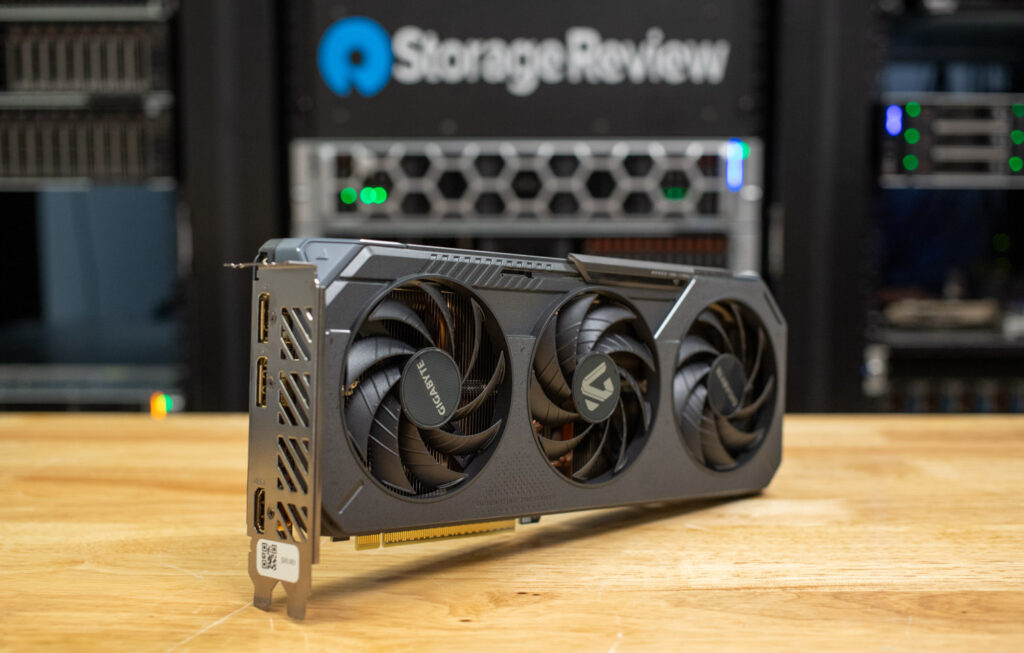
The generational leap is equally impressive. StorageReview’s benchmarks show the RX 9060 XT posting a Port Royal score of 9,751, and compared to its predecessor, the RX 7600 XT, the new card delivers a staggering 53% performance improvement. That’s not an incremental upgrade — it’s a generational leap that justifies the “new architecture” branding.
The Ray Tracing Caveat
Here’s where you need to set expectations. NVIDIA still holds a significant edge in ray tracing workloads. The RTX 5060 is roughly 29% faster in RT benchmarks, which is a gap AMD hasn’t closed yet. If you’re buying a GPU primarily for games with heavy path tracing like Cyberpunk 2077 or Alan Wake 2 at max RT settings, NVIDIA remains the safer bet.
However — and this is an important “however” — most budget GPU buyers at the $299 price point aren’t running games at maximum ray tracing settings anyway. They’re targeting high-quality rasterization at 1080p, and there the RX 9060 XT is simply the faster card.
FSR 4 and RDNA 4’s AI Hardware: AMD’s Upscaling Catches Up
RDNA 4 introduces 2nd-generation AI accelerators with FP8 support, and they power one of the most important software features shipping with this card: FSR 4. Unlike previous FSR iterations that relied on spatial and temporal algorithms, FSR 4 is a full machine learning upscaler. It’s AMD’s direct answer to NVIDIA’s DLSS, and early reports suggest it’s genuinely competitive for the first time.
This matters more than you might think. Upscaling technology effectively multiplies a GPU’s performance by rendering at a lower internal resolution while reconstructing a high-quality output image. With FSR 4 running on dedicated AI hardware instead of shader cores, the AMD Radeon RX 9060 XT can punch well above its weight class at 1440p and even deliver playable framerates at 4K in some titles — something no $299 GPU could realistically promise before.
Display Connectivity and Platform Features Worth Noting
Beyond raw gaming performance, the AMD Radeon RX 9060 XT brings a few platform-level upgrades that are easy to overlook but genuinely useful. DisplayPort 2.1a support means you can drive high-refresh 1440p monitors at 240Hz or even 4K at 120Hz without compression artifacts — a feature that most budget GPUs in the previous generation simply couldn’t offer. Paired with HDMI 2.1b, this card has the connectivity to handle virtually any monitor or TV setup you throw at it.
PCIe 5.0 x16 support is forward-looking rather than immediately impactful. Current games won’t saturate a PCIe 4.0 connection on a GPU of this performance tier, but it ensures compatibility with next-generation motherboards and eliminates any bottleneck concerns for years to come. It also means if you’re building on a brand-new AM5 or Intel platform, you’re getting full bandwidth utilization from day one.
Power Efficiency: A Quiet Win for AMD
One aspect that deserves more attention is power efficiency. The RX 9060 XT’s TDP range of 150-182W is competitive for the performance it delivers. When you factor in the 7% raster advantage over the RTX 5060, the performance-per-watt story tilts in AMD’s favor. This has real-world implications: lower heat output means quieter cooler operation, and the single 8-pin power connector means you won’t need to upgrade your PSU for most builds running a quality 500W unit.
For small form factor builders — and the ITX market continues to grow — a GPU that delivers this level of performance without demanding a massive cooler or multi-cable power delivery is a genuine advantage. Several AIB partners have already announced dual-fan compact designs that fit in ITX cases without clearance issues.
The $299 vs $349 Decision: 8GB or 16GB?
AMD’s decision to offer two VRAM configurations is strategic. The $299 8GB model hits the psychological price point that budget gamers target, while the $349 16GB variant provides future-proofing for a modest premium.
My take? If you can stretch to $349, the 16GB model is the smarter buy. Modern games are increasingly VRAM-hungry — titles like The Last of Us Part II, Star Wars Outlaws, and Hogwarts Legacy can push past 8GB at high textures even at 1080p. The 16GB model also gives you headroom for content creation workloads, AI inference tasks, and games that haven’t been released yet. For an extra $50, you’re extending the useful life of this GPU by at least a year or two.
Interestingly, NVIDIA’s competing RTX 5060 only comes with 8GB — so the 16GB RX 9060 XT at $349 offers double the VRAM for just $50 more than NVIDIA’s option. That’s a compelling differentiator for anyone worried about memory limitations.
RX 9060 XT vs RTX 5060: Which Budget GPU Wins in 2025?
This is the matchup everyone’s watching, and the answer depends on what you prioritize. Here’s the honest breakdown:
Choose the AMD Radeon RX 9060 XT if:
- You primarily play at 1080p and want the fastest rasterization for $299
- You want a 16GB VRAM option ($349) for future-proofing
- You prefer a single 8-pin power setup with no adapter nonsense
- You’re interested in open-source driver support (Linux gaming)
- DisplayPort 2.1a output matters for high-refresh monitors
Choose the RTX 5060 if:
- Ray tracing quality is a top priority for you
- You rely heavily on CUDA-accelerated applications
- DLSS’s maturity and game support matters more than raw raster speed
- You use NVIDIA-specific features like Broadcast or Reflex extensively
For the majority of budget gamers targeting 1080p, the RX 9060 XT offers better value. According to Tom’s Hardware, the combination of competitive raster performance, more VRAM, and lower power consumption makes it a strong recommendation at this price point.
What the RX 9060 XT Means for the GPU Market
The bigger story here isn’t just one GPU launch — it’s AMD signaling that they’re taking the budget segment seriously again. The RX 7600 series was a decent value but didn’t create this level of excitement. With RDNA 4 and the Navi 44 die, AMD has delivered a product that genuinely threatens NVIDIA’s mainstream dominance in the segment that actually moves the most units.
Consider the upgrade path for millions of gamers still running GTX 1060s, RX 580s, or even GTX 1660 Supers — cards that are now 5-7 years old. The RX 9060 XT represents a 3-4x performance uplift for those users at a price that hasn’t inflated with the rest of the market. That’s the kind of generational leap that drives real upgrade cycles, not the incremental 10-15% bumps we’ve seen in recent years.
The timing is also notable. As we head into WWDC season and the broader tech cycle ramps up this summer, GPU pricing and availability will be under intense scrutiny. AMD launching at $299 with actual stock on shelves — not a paper launch — sends a strong message to consumers who’ve been burned by inflated GPU prices over the past few years. Initial reports from retailers suggest healthy supply across both the 8GB and 16GB models, though the 16GB variant is moving faster as expected.
If you’re building a new PC or upgrading from an older GPU like the RX 6600, GTX 1660, or even the RX 7600 XT, the AMD Radeon RX 9060 XT deserves serious consideration. A 53% improvement over the previous generation, competitive performance against NVIDIA’s offering, and a 16GB option for $349 — it’s hard to argue with the math. The budget GPU segment just got a lot more interesting, and AMD is the company that made it happen.
Get weekly AI, music, and tech trends delivered to your inbox.