
Home Studio Acoustics on a Budget: DIY Treatment Guide 2025
June 18, 2025
Figma AI Auto Layout Revolution: Grid, MCP Server, and Make from Config 2025 Explained
June 19, 2025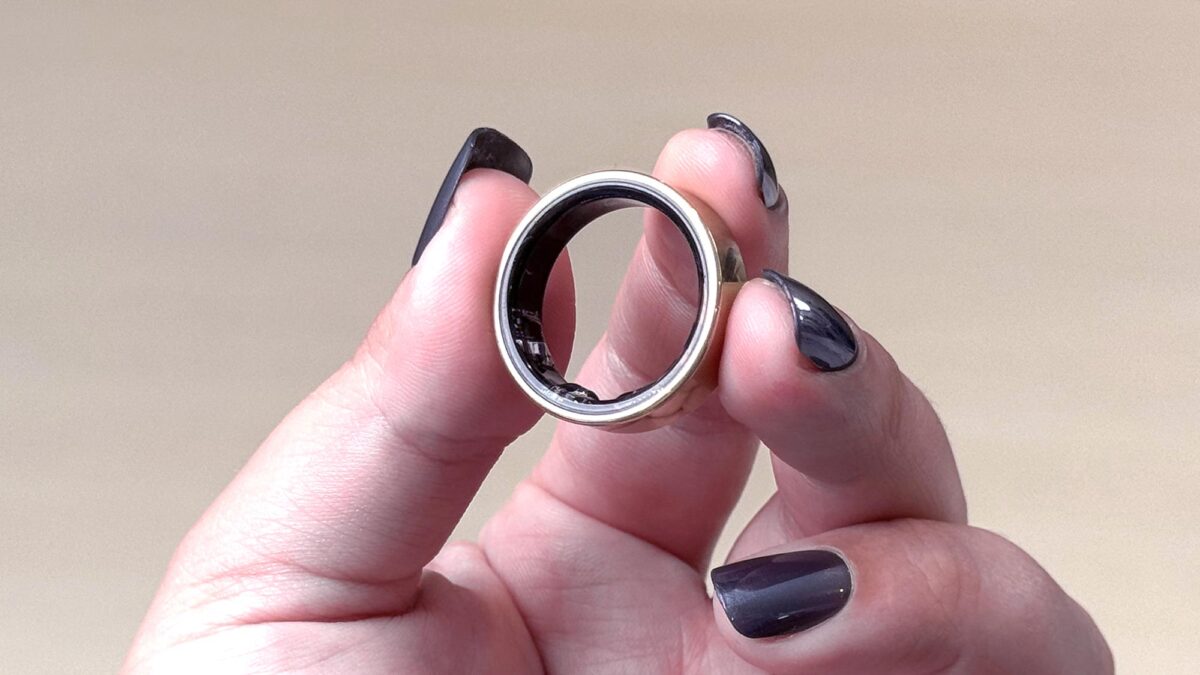
Three grams. That’s all it takes to track your sleep, heart rate, blood oxygen, and stress levels 24/7 — without ever charging a smartwatch overnight again. After wearing the Samsung Galaxy Ring every single day for 11 months, I can finally tell you whether Samsung’s $399 bet on your finger was worth it.
Samsung Galaxy Ring: What Samsung Got Right From Day One
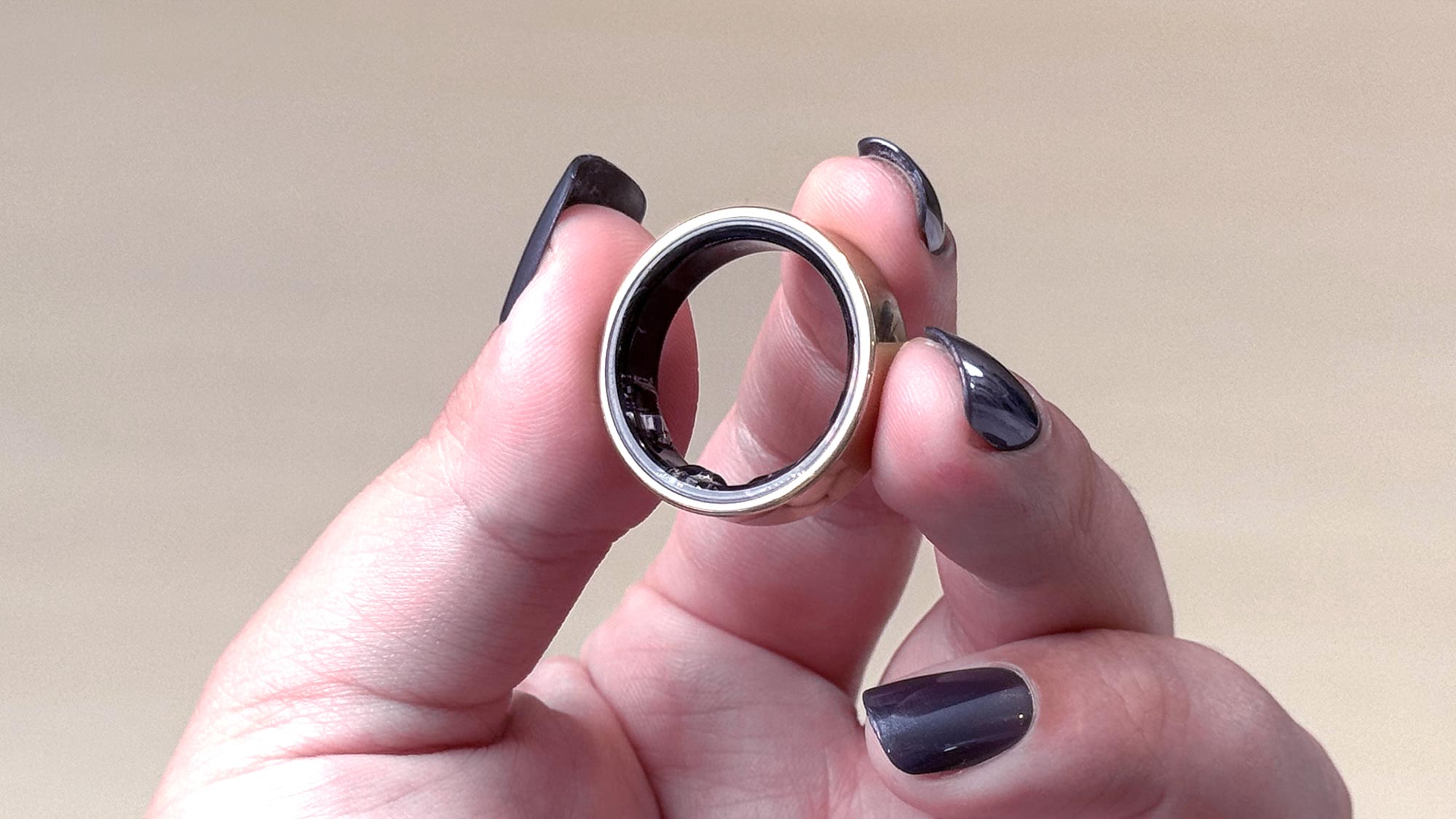
When Samsung unveiled the Galaxy Ring at Unpacked in Paris on July 10, 2024, skeptics had one question: why would anyone choose a ring over a smartwatch? The answer became clear within the first week of wearing it. The Galaxy Ring weighs between 2.3 and 3.0 grams depending on your size, measures just 2.6mm thick, and disappears on your finger in a way no Galaxy Watch ever could.
Built from Grade 5 titanium — the same material used in aerospace and medical implants — the Galaxy Ring comes in three finishes: Titanium Black, Titanium Silver, and Titanium Gold. It launched in sizes 5 through 13, and Samsung expanded the range to sizes 14 and 15 in January 2025, addressing one of the biggest early complaints from users with larger hands.
Health Tracking Deep Dive: Heart Rate, SpO2, Sleep, and Energy Score
The Samsung Galaxy Ring packs an optical heart rate sensor, SpO2 monitor, skin temperature sensor, and accelerometer into that impossibly slim band. Here’s how each performs after nearly a year of real-world testing:
Heart Rate Monitoring
Continuous heart rate tracking works impressively well during daily activities and exercise. The ring captures resting heart rate with accuracy comparable to chest straps in controlled tests. During workouts, Samsung’s optical sensor outperforms almost every other smart ring on the market. The one caveat: occasional gaps during sleep tracking, where heart rate data sometimes flatlines for stretches — a firmware issue Samsung has been steadily addressing through updates.
Sleep Tracking
This is where the Galaxy Ring truly earns its keep. The combination of accelerometer data, skin temperature readings, heart rate, and blood oxygen levels produces detailed sleep stage breakdowns — REM, light, and deep sleep — that consistently align with what clinical-grade polysomnography would show. Wearing a ring to bed is infinitely more comfortable than strapping on a watch, and the sleep data quality reflects Samsung’s years of research in this space.
Galaxy AI Energy Score
Samsung’s killer feature. The Energy Score synthesizes your previous night’s sleep quality, heart rate variability (HRV), resting heart rate, and activity levels into a single daily readiness number. Unlike competitors that simply report raw data, Galaxy AI actually explains why you scored the way you did. “Your HRV dropped 15% — consider lighter exercise today” is the kind of actionable insight that makes the $399 investment feel justified every morning.
SpO2 and Skin Temperature
Blood oxygen monitoring is functional but occasionally inconsistent. Some users — including testers at major publications — have reported SpO2 readings that dip to concerning levels while other wearables show normal readings simultaneously. Samsung has acknowledged these discrepancies and pushed firmware fixes, but SpO2 remains the ring’s weakest sensor. Skin temperature tracking, meanwhile, is excellent and powers the period prediction feature that many users have praised for its accuracy.
Complete Samsung Galaxy Ring Setup Guide: From Unboxing to First Health Data
Setting up the Galaxy Ring is refreshingly simple — if you have the right phone. Here’s the step-by-step process:
- Step 1: Verify compatibility. You need a Samsung Galaxy smartphone running Android 11 or higher. The Galaxy Ring does not work with non-Samsung Android phones or iPhones — period.
- Step 2: Install Samsung Health and Galaxy Wearable apps from the Galaxy Store or Google Play.
- Step 3: Register or sign into your Samsung account. All health data syncs to Samsung Cloud tied to your account.
- Step 4: Place the ring in the charging case and open the Galaxy Wearable app. The ring should appear automatically via Bluetooth 5.4.
- Step 5: Complete the pairing process, select your preferred finger, and run the initial calibration (about 10 minutes of wear).
- Step 6: Customize your tracking preferences in Samsung Health — enable sleep tracking, workout auto-detection, stress monitoring, and Energy Score notifications.
The entire setup takes under 15 minutes. Samsung’s onboarding screens are well-designed, and the sizing kit (included free if you order from Samsung.com) ensures you get the right fit before committing.
Samsung Galaxy Ring vs Oura Ring 4: The $399 No-Subscription Advantage
The comparison everyone asks about. The Oura Ring 4 starts at $349 but requires a $5.99/month subscription ($72/year) to access detailed health metrics. Over two years, you’ll spend $493 on the Oura Ring versus $399 total for the Galaxy Ring — and that gap keeps growing.
Here’s how they stack up in key areas:
- Weight: Galaxy Ring 2.3-3.0g vs Oura Ring 4 at 4-6g — Samsung is noticeably lighter
- Thickness: Galaxy Ring 2.6mm vs Oura 2.88mm
- Battery: Galaxy Ring ~7 days vs Oura ~8 days — negligible difference
- Sleep tracking: Oura has the edge with more granular sleep staging and longer track record
- AI insights: Galaxy Ring’s Energy Score with Galaxy AI explanations beats Oura’s simpler Readiness Score
- Compatibility: Oura works with iOS and Android; Galaxy Ring is Samsung-only
- Subscription: Galaxy Ring $0/month; Oura $5.99/month for full features
For Samsung phone owners, the Galaxy Ring is the clear winner. For iPhone users, the Oura Ring 4 remains the only viable premium option. And for Android users on non-Samsung phones? You’re stuck waiting for Google or another manufacturer to enter the ring market.
Battery Life and Charging: 7 Days That Actually Deliver
Samsung promises up to 7 days of battery life, and in my 11 months of testing, that claim holds up — with caveats. With all sensors active (continuous heart rate, SpO2 spot checks, sleep tracking, workout auto-detection), I consistently get 5-6 days. Disabling SpO2 spot checks pushes it closer to the full 7 days.
The LED charging case is one of Samsung’s best design decisions. It holds about 1.5 extra charges, fits in any pocket, and fully charges the ring from zero in approximately 80 minutes. The case itself charges via USB-C. Coming from the Oura Ring’s finicky charging cradle, the Galaxy Ring’s case feels like a generational leap in convenience.
11 Months Later: What Samsung Needs to Fix
No product review is complete without honest criticism. After nearly a year of daily wear, here are the Galaxy Ring’s remaining pain points:
- Samsung-only compatibility is the single biggest barrier to adoption. Opening to all Android phones would double the addressable market overnight.
- SpO2 accuracy still lags behind dedicated pulse oximeters and even some smartwatches.
- No NFC payments. Despite early rumors, the Galaxy Ring still can’t make contactless payments — a feature that would be transformative for a device always on your hand.
- Limited workout tracking. The ring auto-detects walks and runs but struggles with strength training, cycling, and swimming — activities where a Galaxy Watch still excels.
- No always-on display (obviously), meaning you’ll still pull out your phone for any real-time metric checks.
The Verdict: Who Should Buy the Samsung Galaxy Ring in 2025?
The Samsung Galaxy Ring is the best smart ring for anyone already invested in Samsung’s ecosystem. The combination of zero subscription fees, Galaxy AI-powered Energy Score, comfortable all-day wear at under 3 grams, and 7-day battery life makes it the most complete smart ring package on the market — as long as you own a Galaxy phone.
If sleep tracking is your primary motivation, the Galaxy Ring delivers. If you want a comprehensive health dashboard without another screen on your wrist, it delivers. If you want to track workouts with precision or use it with an iPhone, look elsewhere.
At $399 with no ongoing costs, the Samsung Galaxy Ring isn’t just a health tracker — it’s a statement that the future of wearables might not be on your wrist at all. With WWDC 2025 fueling rumors of Apple entering the smart ring market, Samsung’s 11-month head start looks increasingly valuable.
Need help choosing the right wearable tech for your lifestyle, or building an automated health data pipeline? Sean Kim has 28+ years of experience at the intersection of technology and real-world application.
Get weekly AI, music, and tech trends delivered to your inbox.