How to Use Sidechain Compression Creatively: 7 Techniques Beyond Basic Kick-to-Bass Ducking
June 23, 2025
Snapdragon X Elite Laptop Performance Review: 15+ Hour Battery, Benchmarks, and the App Compatibility Truth
June 24, 2025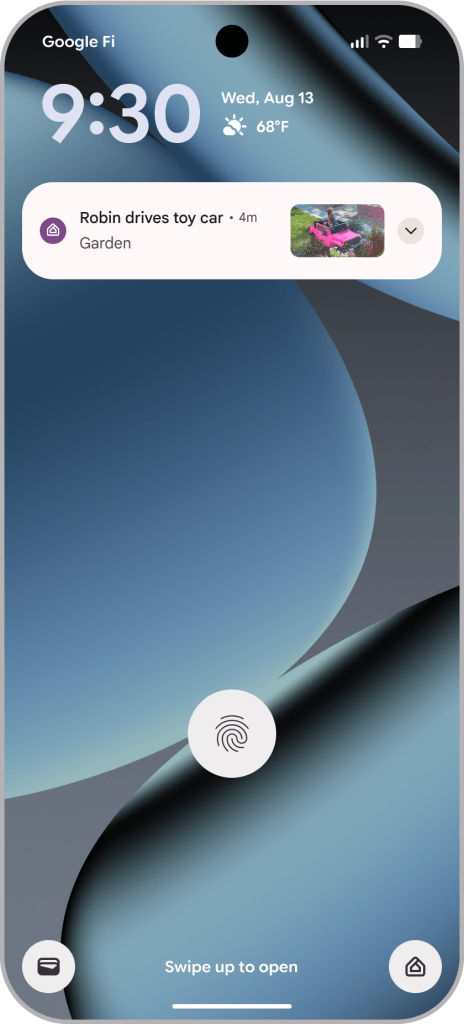
“FedEx driver placing package on your porch.” That’s not a text from your neighbor — that’s your doorbell talking to you. Google just revealed what Gemini-powered cameras will look like in the real world, and the Google Nest Doorbell 2025 is the flagship proof of concept. Following the sweeping AI announcements at Google I/O 2025, the search giant is now putting Gemini directly into its home security lineup, and the implications go far beyond a simple firmware update.
Google Nest Doorbell 2025: What Google Announced After I/O
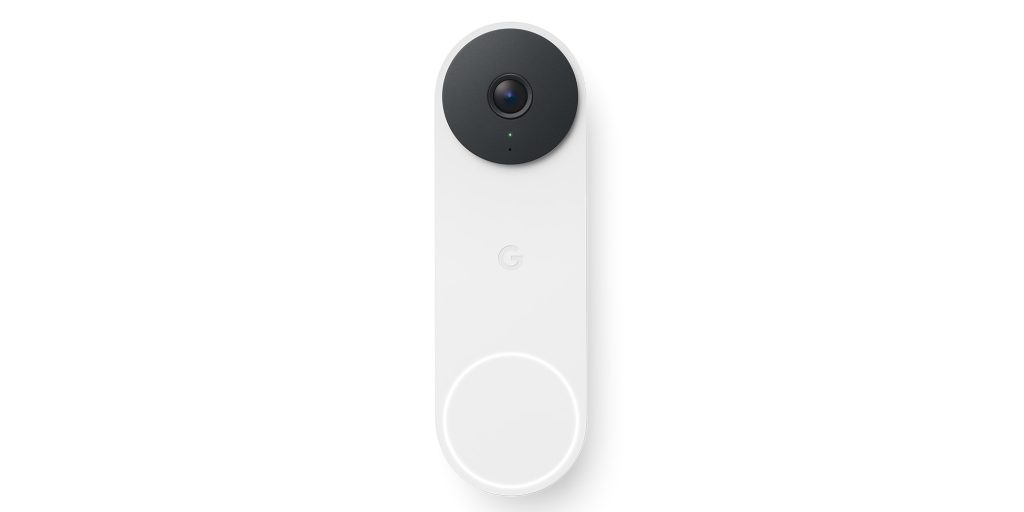
Google’s plans for Gemini-powered Nest cameras have been one of the most anticipated follow-ups to I/O 2025. The new Nest Doorbell wired 3rd generation sits at the top of a refreshed camera lineup that includes updated Indoor ($99.99) and Outdoor ($149.99) cameras — all sharing the same 2K resolution upgrade and Gemini AI backbone. At $179.99, the doorbell is the most expensive of the three, but it’s also the one that stands to benefit the most from contextual AI.
The hardware refresh is significant on its own merits. We’re looking at a 2K (2048×2048) HDR sensor running at 30fps with a 166-degree diagonal field of view in a 1:1 square aspect ratio. That square format is a deliberate design choice — it captures more vertical space than traditional wide-angle cameras, which means you actually see packages on the ground and faces at the door in the same frame without the fisheye distortion that plagues cheaper alternatives.
Gemini AI: From Generic Alerts to Contextual Intelligence
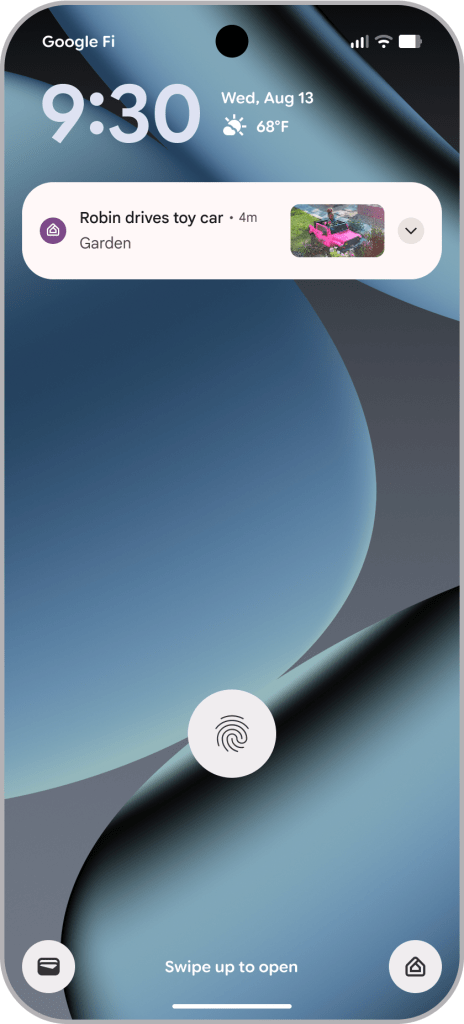
Here’s where the Google Nest Doorbell 2025 genuinely separates itself from everything else on the market. Traditional smart doorbells send you notifications like “Motion detected” or “Person detected” — useful, but not exactly informative. Gemini changes the game by generating contextual, natural-language descriptions of what’s actually happening.
Instead of a generic “Package detected” alert, you might get “FedEx driver placing package on porch” or “Person in blue jacket approaching front door.” According to TechCrunch’s coverage of the announcement, these AI-generated descriptions are processed through Google’s cloud infrastructure, which means they require an active internet connection and — crucially — a subscription tier that supports Gemini features.
The Gemini integration also introduces daily video summaries. Rather than scrubbing through hours of footage, you get an AI-curated recap of the day’s notable events at your front door. Familiar face recognition lets the system learn who your regular visitors are and tailor notifications accordingly — your partner arriving home won’t trigger the same alert as an unknown person.
Hardware Specs: The Full Breakdown
Let’s get into the numbers. The Google Nest Doorbell 2025 packs serious hardware upgrades that justify the 3rd-generation designation:
- Resolution: 2K (2048×2048) HDR at 30fps — a massive jump from the previous generation
- Field of View: 166-degree diagonal with 1:1 square aspect ratio
- Night Vision: 850nm IR LEDs with up to 10 feet of range and 120% more light sensitivity than the predecessor
- Weather Rating: IP65 — fully protected against dust and water jets
- Connectivity: Wi-Fi 802.11ac (dual-band 2.4GHz + 5GHz) with Bluetooth Low Energy
- Power: Wired only, requiring 16-24VAC transformer
- Colors: Snow, Hazel, and Linen
- Operating Temperature: -4°F to 104°F (-20°C to 40°C)
The 120% improvement in light sensitivity deserves special attention. Night vision has historically been a weak point for Nest cameras, and this boost — combined with the 2K resolution — should deliver significantly clearer footage in low-light conditions. As PCWorld noted in their analysis, the Gemini-powered contextual descriptions are genuinely a game-changer for how people interact with doorbell notifications.
One important note: this is a wired-only device. If you don’t have existing doorbell wiring (16-24VAC), you’ll need to either install it or look at the battery-powered alternatives from competitors. Google is clearly betting that wired power enables the always-on processing needed for Gemini’s AI features.
Subscription Tiers: The Good, The Frustrating, and The Expensive
This is where things get complicated — and where the Google Nest Doorbell 2025 will either win you over or push you toward the competition. Google has restructured its subscription model under the Google Home umbrella, retiring the old Nest Aware branding:
- Free Tier: 6 hours of event history (doubled from the previous 3 hours) — better, but still severely limited
- Google Home Premium Standard ($10/month): 30 days of event history, familiar face recognition, package detection alerts
- Google Home Premium Advanced ($20/month): 60 days of event history, 10 days of 24/7 continuous recording, full Gemini AI features including daily summaries and contextual notifications
The free tier doubling from 3 to 6 hours is a welcome change, but let’s be honest — 6 hours of event-based clips is barely functional for a security device. Miss a morning delivery while you’re at work? That footage might already be gone by the time you check in the evening. The real functionality is locked behind the $10-20/month subscription wall.
And here’s the critical detail that will frustrate many buyers: those headline Gemini AI features — the contextual descriptions, the daily summaries, the smart notifications that make this doorbell special — require the $20/month Advanced tier. You’re paying $179.99 for hardware and then $240/year to actually use its best features. Over three years, that’s $899.97 in total cost of ownership.
Google Nest Doorbell 2025 vs. The Competition: Ring, Reolink, and Eufy
The smart doorbell market in 2025 is more competitive than ever, and the subscription model is where battle lines are drawn most sharply.
Ring (Amazon): Ring’s doorbells operate on a similar subscription model ($10-30/month depending on plan), and the Alexa ecosystem integration is mature. However, Ring’s designs remain bulkier, and their AI features haven’t reached the sophistication of Gemini’s contextual descriptions. If you’re already deep in the Amazon/Alexa ecosystem, Ring remains a logical choice, but the AI gap is real.
Reolink: This is the elephant in the room for subscription-averse buyers. Reolink’s doorbell cameras offer free local storage with on-device AI search — no monthly fees, period. The trade-off is a less polished app experience and no cloud-based AI processing, but for pure value, Reolink is increasingly hard to ignore. You can check out Google’s official spec page and compare the numbers yourself.
Eufy: Similar to Reolink, Eufy offers free local storage with no monthly subscriptions. Their cameras feature on-device AI processing for person and package detection. The ecosystem isn’t as refined as Google Home, but the zero-subscription model is increasingly attractive as monthly fees pile up across smart home devices.
Quick Comparison Table
Google Nest Doorbell 2025: $179.99 + $10-20/mo | 2K HDR | Gemini AI | No local storage
Ring Video Doorbell 4: ~$199.99 + $10-30/mo | 1080p-2K | Alexa | No local storage
Reolink Doorbell: ~$129.99 + $0/mo | 2K | On-device AI | Free local storage
Eufy Video Doorbell: ~$149.99 + $0/mo | 2K | On-device AI | Free local storage
The No-Local-Storage Problem
We need to talk about the most significant criticism aimed at the Google Nest Doorbell 2025: there is no option for local storage. None. Every single second of recorded footage goes to Google’s cloud, and how much of it you can access depends entirely on your subscription tier.
In 2025, when competitors like Reolink and Eufy offer free local storage as a baseline feature, this is a tough sell. It’s not just about the monthly cost — it’s about data ownership and reliability. If your internet goes down, your doorbell becomes a very expensive peephole. If Google ever decides to raise subscription prices or discontinue a tier, you’re at their mercy.
Google’s counterargument is that cloud processing enables the Gemini AI features that make this doorbell unique. That’s technically true — contextual AI descriptions and daily summaries require cloud infrastructure. But basic recording and person detection? Those could absolutely work locally, as Reolink and Eufy have proven. The lack of even a hybrid option (local backup + cloud AI) feels like a deliberate choice to drive subscription revenue rather than a technical limitation.
Who Should Buy the Google Nest Doorbell 2025?
After analyzing everything Google has revealed about this doorbell, the recommendation breaks down along clear lines:
Buy it if: You’re already invested in the Google Home ecosystem, you value AI-powered contextual notifications over raw value, you don’t mind paying $10-20/month for cloud features, and you have existing doorbell wiring. The Gemini integration genuinely delivers a smarter, more useful notification experience than anything else on the market right now.
Skip it if: You refuse to pay monthly subscriptions for a device you already bought, you want local storage as a backup, you’re on a budget, or you’re in the Alexa or HomeKit ecosystem. Reolink and Eufy offer compelling alternatives at lower total cost of ownership.
The Google Nest Doorbell 2025 is undeniably the smartest doorbell camera on the market. Gemini’s contextual awareness sets a new standard for what AI can do in home security. But “smartest” doesn’t always mean “best value” — and in a market where competitors offer excellent hardware with zero monthly fees, Google’s subscription-dependent model is a harder sell than ever. The real question isn’t whether the AI is impressive (it is), but whether you’re willing to pay $240/year to keep it running.
Get weekly AI, music, and tech trends delivered to your inbox.