Best Studio Chairs for Music Producers: 5 Ergonomic Picks Under $500 That Survive 12-Hour Sessions
June 30, 2025
Udio Sessions Changes Everything: Inpainting and Section-Level Editing Hit AI Music in July 2025
July 1, 2025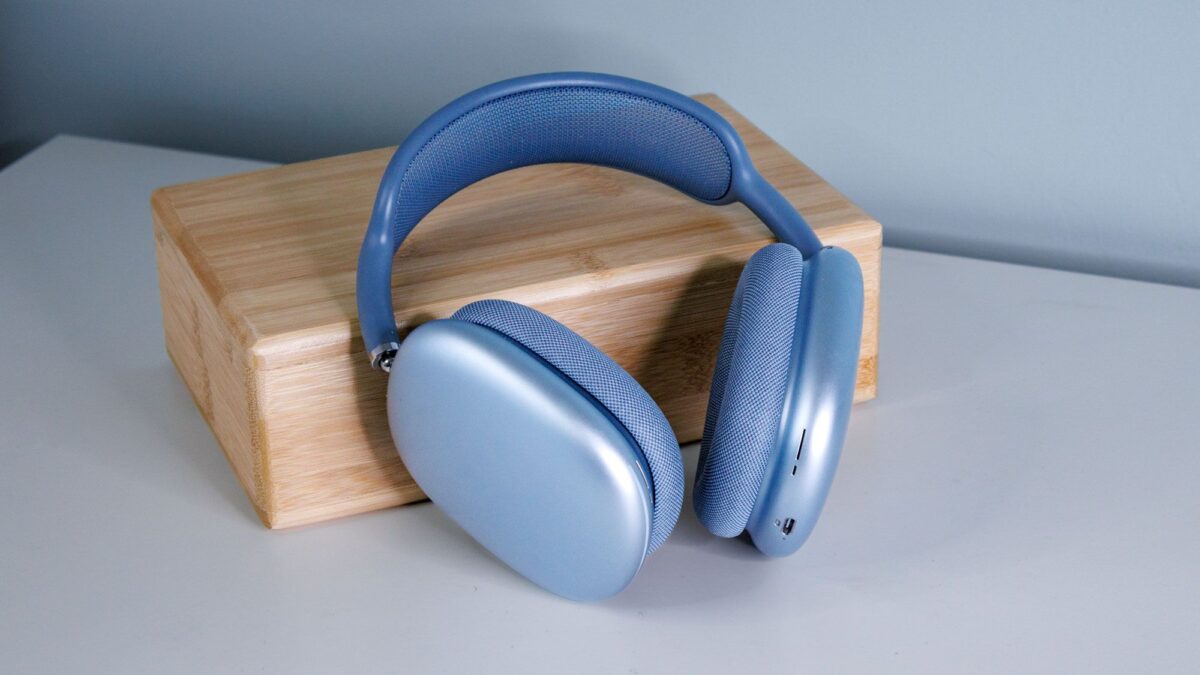
Apple finally did it. After more than four years of audiophiles begging for lossless audio on the AirPods Max USB-C, it’s here — and as someone who’s spent 28 years behind mixing consoles and studio monitors, this firmware update genuinely caught my attention. But does wired 24-bit audio turn Apple’s premium headphones into a serious tool, or is it too little too late?
AirPods Max USB-C Lossless Update: What Actually Changed
On April 2, 2025, alongside iOS 18.4 and macOS Sequoia 15.4, Apple rolled out a free firmware update that brings 24-bit, 48 kHz lossless audio to the AirPods Max USB-C via wired connection. This isn’t Bluetooth compression anymore — it’s the original recording quality, bit for bit.
According to Apple Newsroom, the update goes beyond just lossless. Ultra-low latency audio now matches the latency of built-in speakers on Mac, iPad, and iPhone. For music production in Logic Pro, video editing, gaming, and livestreaming, this is a meaningful leap. Personalized Spatial Audio with dynamic head tracking rounds out the package, making these headphones genuinely useful for monitoring Dolby Atmos mixes on the go.
Does 24-bit/48kHz Actually Sound Better? An Audio Engineer’s Honest Take
Let me be straight with you. After 28 years of comparing headphones in studio environments, the USB-C wired lossless connection does sound noticeably better than Bluetooth AAC. The difference shows up in the details — acoustic guitar picking transients, vocal breath nuances, orchestral spatial imaging. These are the micro-details that compressed codecs tend to smooth over.
That said, Tom’s Guide’s road-test review rightly points out that the difference between Bluetooth and wired USB-C is “subtle.” If you’re casually listening to pop music on your commute, you probably won’t have a revelatory moment. But in a focused listening session or during production monitoring, the added clarity and separation are real.
There’s a catch worth noting: Apple Music supports lossless audio up to 24-bit/192kHz, but the AirPods Max USB-C caps out at 24-bit/48kHz. You won’t get Hi-Res Lossless through these headphones. In practice, though, 48kHz is the standard mastering format for most commercial music, so you’re hearing what the engineers intended for the vast majority of tracks.
Hardware Reality Check: What Hasn’t Changed Since 2020
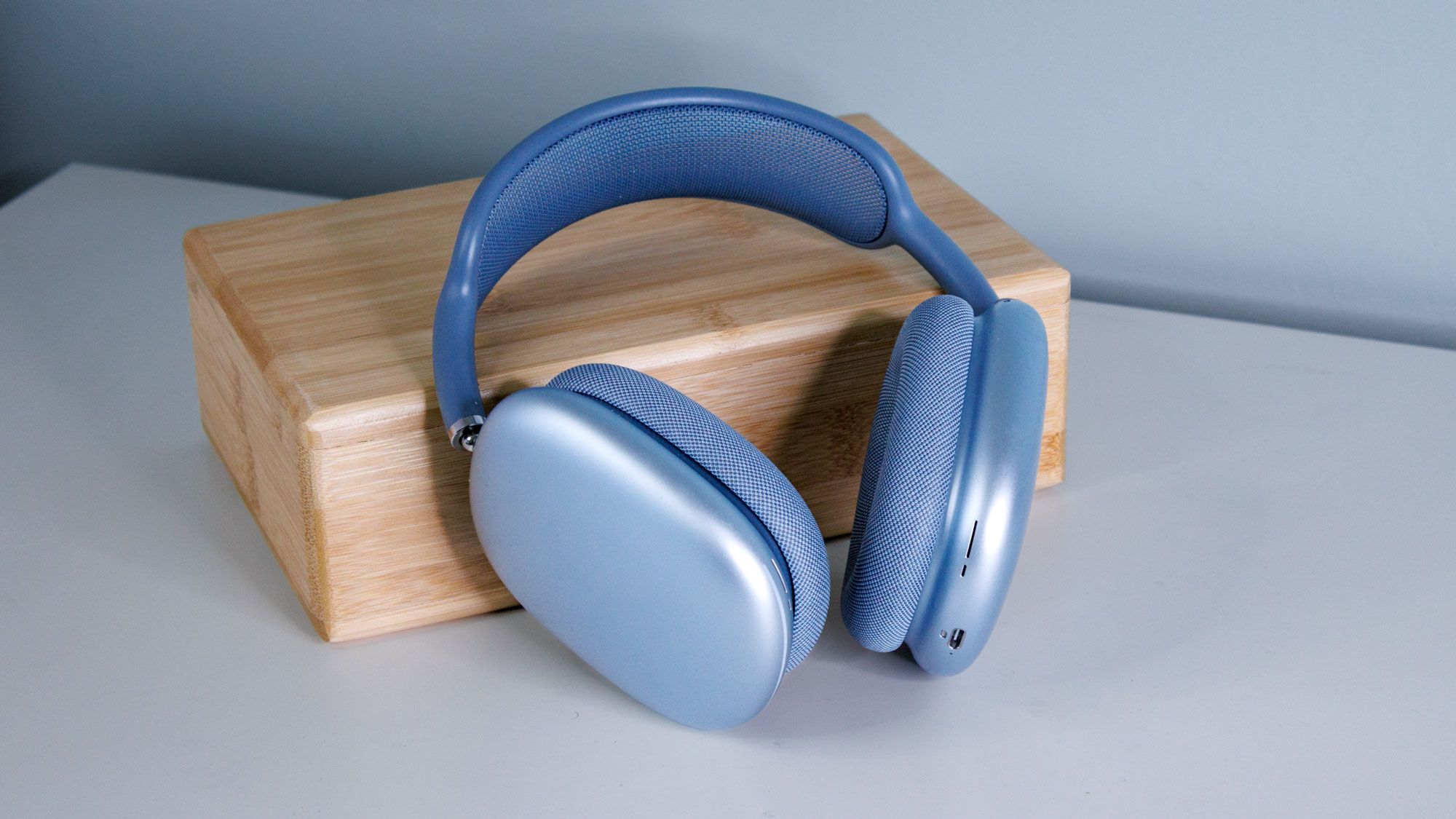
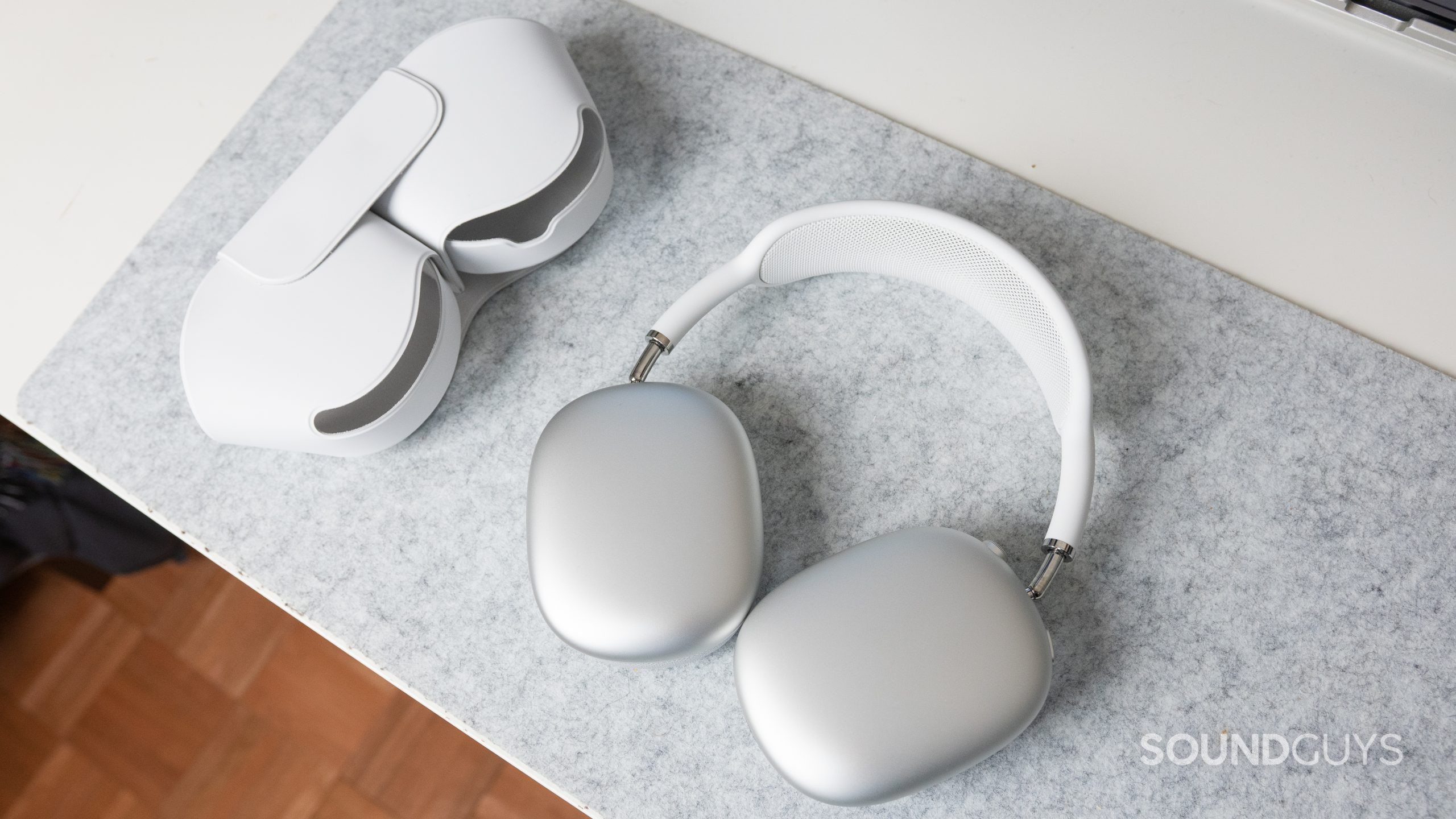
The AirPods Max USB-C launched on September 20, 2024 at $549. New colors (Midnight, Starlight, Blue, Purple, Orange) and the USB-C port are the visible changes. Under the hood, the hardware is identical to the 2020 original.
- Chip: Apple H1 (one in each ear cup)
- Driver: 40mm Apple-designed dynamic driver
- Weight: 386g
- Battery: 20 hours with ANC enabled
- Bluetooth: 5.0 (AAC and SBC only — no aptX, no LDAC)
- Lossless: 24-bit/48kHz via USB-C wired connection only
- ANC: Active Noise Cancellation with Transparency mode
- Spatial Audio: Personalized with dynamic head tracking
Here’s the honest professional take: the H1 chip means no Adaptive Audio and no Conversation Awareness — features that the AirPods Pro 2 with H2 chip have enjoyed for years. The WWDC 2025 announcements (studio-quality recording, camera remote) were also exclusively for AirPods Pro 2 and AirPods 4. At $549, the AirPods Max ironically trails the $249 AirPods Pro 2 in smart features. It’s an uncomfortable position for Apple’s flagship headphone.
Music Production Use Case: Logic Pro Spatial Audio Monitoring
For producers and engineers, the most exciting part of this update is the Personalized Spatial Audio with head tracking in Logic Pro. This goes beyond music listening — it’s about monitoring Dolby Atmos mixes on headphones with a spatial experience that approximates a real speaker setup.
Will it replace your studio monitors? Absolutely not. But for late-night sessions, mix checks while traveling, or quick Atmos reference listening, having $549 headphones that deliver ultra-low latency spatial monitoring is genuinely useful. The latency improvement means real-time recording monitoring is now viable too — something that was impractical over Bluetooth.
A word of caution for fellow professionals: the AirPods Max have a consumer-tuned frequency response — slightly boosted low end, smoothed highs. For critical reference monitoring, dedicated studio headphones like the Sennheiser HD 600 series or Audeze LCD series still offer flatter, more accurate response curves. Think of the AirPods Max as a consumer-environment check tool, not your primary reference headphone.
That said, the combination of head-tracked Spatial Audio and ultra-low latency does open an interesting workflow possibility. When working on Atmos mixes in Logic Pro, you can now get a meaningful spatial preview without setting up a full speaker array. I’ve been using this approach for quick A/B comparisons between mix revisions when I’m away from the studio, and the consistency of Apple’s Personalized Spatial Audio profile makes these checks surprisingly reliable. It won’t replace a properly calibrated Atmos room, but it’s a legitimate tool for catching spatial balance issues early in the process.
AirPods Max USB-C vs Sony vs Bose: Where Does $549 Sit?
The AirPods Max USB-C is undeniably a good headphone. But at $549, it faces stiff competition. Let’s look at the landscape honestly.
- Sony WH-1000XM5 ($398): LDAC support for wireless Hi-Res audio, 30-hour battery, lighter at 250g. Noise cancellation has been continuously updated since 2020 and now matches or exceeds the AirPods Max.
- Bose QuietComfort Ultra ($429): Industry-leading noise cancellation, proprietary Immersive Audio spatial sound, 24-hour battery, aptX Adaptive support.
- Apple AirPods Max USB-C ($549): Apple ecosystem optimization, lossless audio (wired only), 20-hour battery, AAC/SBC only over Bluetooth.
On paper, the AirPods Max loses on battery life, Bluetooth codec variety, and price-to-performance ratio. The noise cancellation, once the gold standard in 2020, has been matched by Sony and Bose through continuous hardware iterations. As TechCrunch noted, the lossless update positions the AirPods Max competitively against high-end wired headphones — but only when you’re actually plugged in.
The calculus changes if you’re deep in Apple’s ecosystem. Seamless switching between iPhone, iPad, and Mac; iCloud-based Personalized Spatial Audio; and now USB-C lossless — it all comes together as an integrated experience that Sony and Bose simply can’t replicate. Review scores of 9/10 and 4.5/5 from major outlets reflect this ecosystem value, not just raw audio performance.
There’s also the build quality factor that specifications don’t capture. The AirPods Max’s stainless steel frame and mesh canopy headband feel genuinely premium in a way that the plastic-bodied Sony and Bose can’t match. The replaceable ear cushions with magnetic attachment are a practical touch — after years of use, you can swap them for $69 instead of buying entirely new headphones. At 386g they’re heavier than competitors, but the weight distribution across the mesh headband makes extended sessions comfortable. These are headphones that feel like they’re built to last a decade, which partially justifies the price premium.
The Verdict: Who Should Buy AirPods Max USB-C in 2025
After 28 years in professional audio, here’s my honest assessment. The AirPods Max USB-C is not the best-sounding headphone at this price point. It’s not the best noise canceller. It doesn’t have the longest battery or the most codec support. But within the Apple ecosystem, it delivers the most cohesive, premium audio experience available.
The lossless audio update gives this headphone a new reason to exist in 2025. For music producers who work in Logic Pro, the combination of USB-C lossless, ultra-low latency, and Spatial Audio head tracking creates a genuinely useful mobile monitoring setup. That alone makes the update significant.
Recommended for: iPhone + Mac users, Apple Music subscribers, producers who need portable Dolby Atmos mix checking, anyone who values premium build quality and stainless steel construction.
Not recommended for: Android/Windows users, audiophiles who want wireless Hi-Res (no LDAC support), budget-conscious buyers, users who want the latest AI features (Adaptive Audio requires H2 chip).
The value of the AirPods Max USB-C ultimately depends on how deep you are in Apple’s ecosystem. If that’s your world, these remain one of the best choices in 2025. If not, Sony and Bose offer more features for less money — and that’s a fact Apple will need to address in the next generation.
Get weekly AI, music, and tech trends delivered to your inbox.