GitHub Copilot Extensions: Third-Party AI Plugins That Bring Docker, Sentry, and Perplexity Into Your IDE
July 15, 2025
AI Agent Platform Comparison July 2025: AutoGPT vs BabyAGI vs AgentGPT — Which One Actually Delivers?
July 16, 2025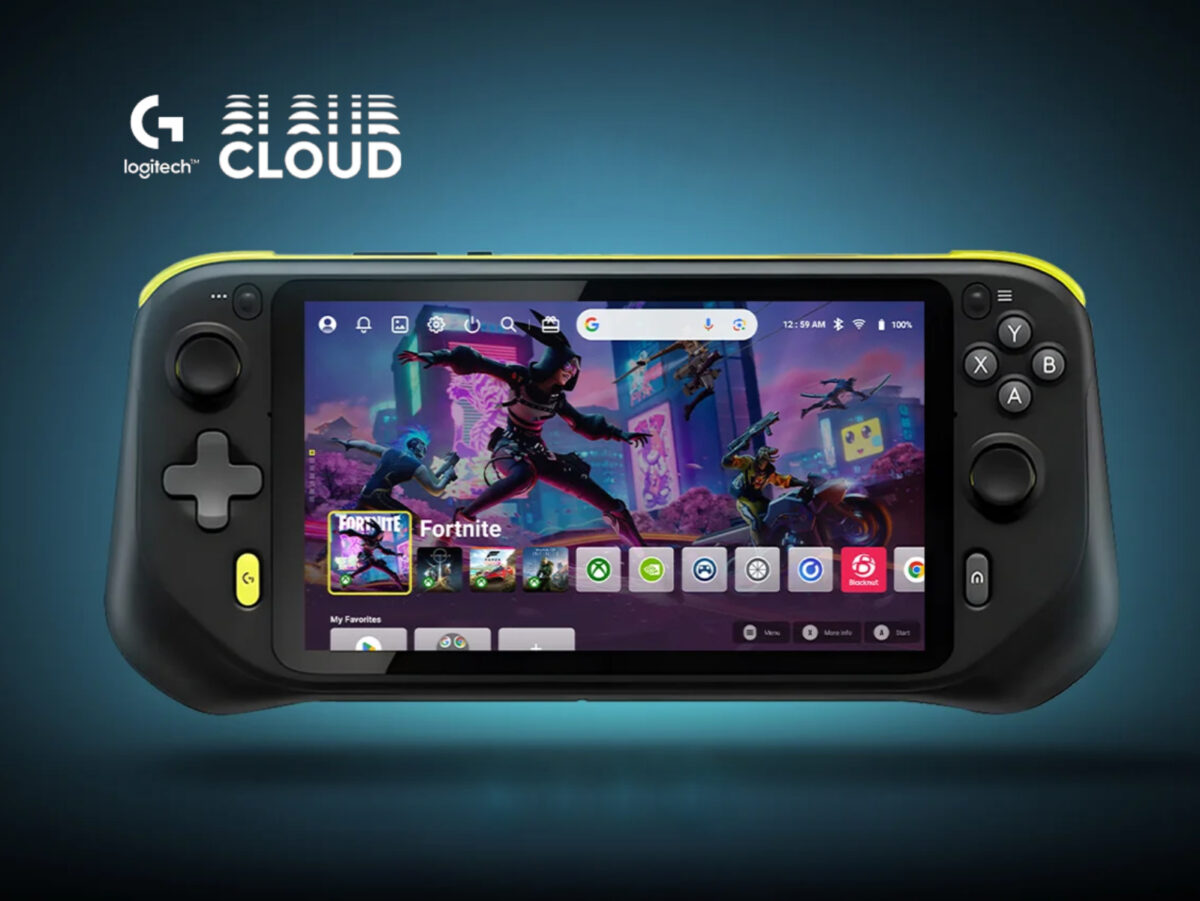
Three years after launch, the Logitech G Cloud is still selling — and still has no true successor. That is about to change, or at least that is what the rumor mill suggests. The anticipated Logitech G Cloud 2 is expected to bring a 1080p OLED display upgrade that the cloud gaming handheld market desperately needs. But here is the catch: nothing is officially confirmed yet. Let’s break down everything we know, what the market demands, and whether Logitech can pull off one of the most anticipated handheld refreshes in recent memory.
Where the Logitech G Cloud 2 Rumors Started — Black Edition and Software Signals
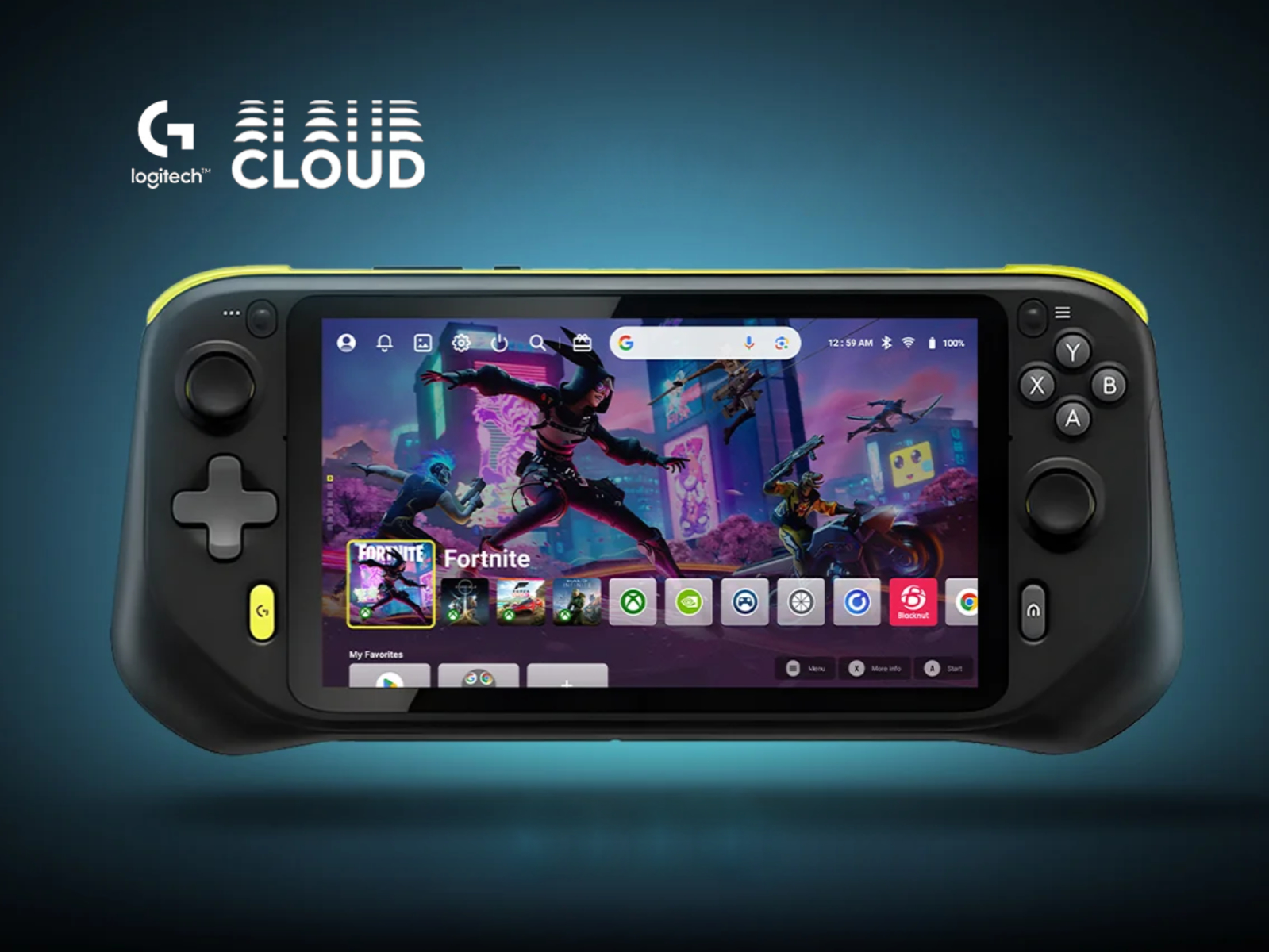
The speculation around a Logitech G Cloud 2 did not appear out of thin air. In August 2025, well-known and highly reliable leaker Evan Blass revealed images of a Logitech G Cloud Black Edition — a cosmetic refresh featuring a striking black and yellow color scheme that replaces the original white design. According to NotebookCheck, this Black Edition is purely an aesthetic update, not a hardware overhaul. The standard G Cloud still retails at $299.99 on Amazon, and interestingly, the Black Edition was previously available in China before apparently being discontinued there — suggesting Logitech may be repositioning it for a global audience.
A cosmetic refresh alone would hardly generate this level of excitement. But the real signal came a couple of months earlier. In June 2025, Logitech pushed a major software update (SQ02K.00.0230) that completely revamped the Xbox Cloud Gaming experience on the original G Cloud. Power it on, and you go straight into Xbox cloud gaming — no friction, no extra menus, no Android launcher standing between you and your games. That kind of significant software investment in a three-year-old device strongly suggests that Logitech is not walking away from the cloud gaming handheld category. Quite the opposite. A full hardware refresh — the Logitech G Cloud 2 — feels like a matter of when, not if.
It is also worth noting the timing. Logitech originally developed the G Cloud in partnership with Tencent Games, and the device launched in October 2022 in the US and Canada at $349.99. A typical product cycle for gaming hardware runs 2-3 years, which puts us squarely in the window where a successor should be in development. The combination of a cosmetic refresh to maintain shelf presence, a major software overhaul to retain existing users, and increasing competitive pressure all point to the same conclusion.
What the Market Demands From the Logitech G Cloud 2
Let’s be honest about where the original G Cloud stands in 2026. Its Qualcomm Snapdragon 720G processor, 4GB LPDDR4X RAM, 64GB UFS storage, and 7-inch IPS LCD display (1080p, 60Hz, 450 nits brightness) were perfectly acceptable when the device launched in late 2022. Today, those specs place it firmly in last-generation territory.
The cloud gaming handheld market has evolved dramatically in just three years. OLED displays are no longer a premium luxury reserved for flagship devices — they have become the baseline expectation for any handheld priced above $250. Wi-Fi 6E has become standard for minimizing streaming latency, which is the single most critical factor for a cloud gaming experience. And mobile processors capable of handling Android gaming alongside cloud streaming have jumped two full generations ahead. Here is the complete wishlist of what the Logitech G Cloud 2 needs to bring to remain competitive:
- Display: 1080p OLED at 90Hz minimum, ideally 120Hz to match the AYN Odin 2 Portal’s standard
- Processor: Snapdragon 8 Gen 2 or newer — the AYN Odin 3 is already shipping with Snapdragon 8 Elite, making the 720G look ancient
- RAM: 6GB minimum, but 8GB LPDDR5 is the competitive standard in 2026
- Wi-Fi: Wi-Fi 6E is absolutely non-negotiable for serious cloud gaming — the original’s Wi-Fi 5 creates a noticeable latency bottleneck
- Battery: Maintain or improve the original’s stellar 6,000mAh battery delivering 12+ hours of cloud gaming
- Connectivity: Optional 5G cellular for gaming beyond home Wi-Fi — the Razer Edge already offers this through Verizon
- Storage: At least 128GB UFS 3.1, with microSD expansion for local Android games
- Audio: Front-facing stereo speakers — a feature reviewers consistently requested for the original
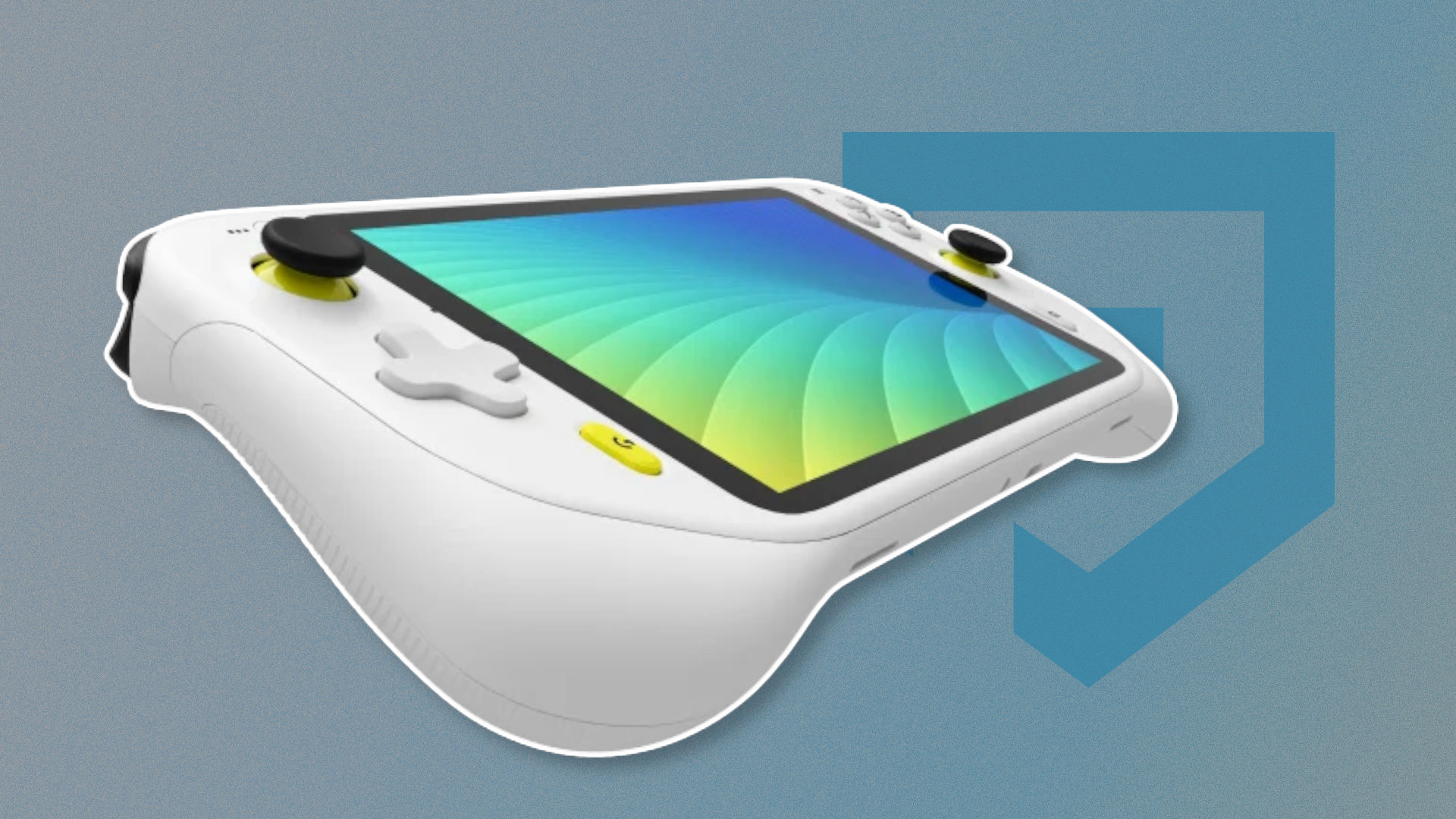
Competitor Breakdown — What the Logitech G Cloud 2 Is Up Against
The cloud gaming handheld space has gotten significantly more crowded since the original G Cloud launched in October 2022 as essentially the only dedicated cloud gaming device on the market. Any rumored Logitech G Cloud 2 enters a battlefield where several strong contenders have already staked their claims and built loyal user bases.
AYN Odin 2 Portal — The Value Champion
AYN’s Odin 2 Portal is arguably the device that makes the case for a G Cloud 2 most urgently. It delivers a 7-inch 1080p 120Hz OLED display, Snapdragon 8 Gen 2 processor, and 8GB of RAM for approximately $300. That is the exact same price as the current G Cloud but with generationally superior hardware across every single specification. The display is OLED instead of IPS. The refresh rate is doubled. The processor is several tiers higher. The RAM is doubled. And with the AYN Odin 3 arriving with Snapdragon 8 Elite — the first gaming handheld with that chip — the gap will only widen further if Logitech does not respond soon.
Razer Edge — The Premium Play
The Razer Edge occupies the premium segment with a 6.8-inch 144Hz AMOLED display and Snapdragon G3x Gen 1, starting at $399 for the Wi-Fi model. Where the Razer Edge truly differentiates itself is connectivity: its optional 5G model through Verizon makes it the only major cloud handheld you can realistically use on a train, in a coffee shop, or anywhere outside your home Wi-Fi without tethering to a mobile hotspot. If the Logitech G Cloud 2 wants to compete at the premium tier, this combination of display quality and cellular connectivity is the bar it needs to clear.
Steam Deck OLED — The Versatility King
Valve’s Steam Deck OLED combines a gorgeous HDR OLED display with Wi-Fi 6E and full native PC gaming capability. It handles cloud streaming through Xbox Cloud Gaming, GeForce NOW, and Steam Remote Play beautifully — while also running demanding local games natively. The trade-off? Weight and battery life. The original G Cloud’s 12+ hour battery and relatively light 463g weight remain significant, tangible advantages for users who exclusively want cloud gaming during long travel days or marathon couch sessions.
Logitech G Cloud 2 Strategic Advantage — The Case for Cloud-Only
Here is what often gets overlooked in spec-sheet comparisons: the original Logitech G Cloud succeeded precisely because it was cloud-only. That deliberate design philosophy brought three tangible benefits that a Logitech G Cloud 2 should double down on rather than abandon.
First, battery life. Without power-hungry local game processing draining the battery, the original G Cloud managed 12+ hours of continuous cloud gaming on a single charge. Compare that to the Steam Deck OLED’s 3-6 hours depending on workload, and the difference is staggering for anyone who games during commutes, flights, or extended sessions. An upgraded Snapdragon chip with better power efficiency combined with the same 6,000mAh+ battery could potentially push the Logitech G Cloud 2 even further — imagine 15+ hours of cloud gaming on a single charge.
Second, pricing. By deliberately skipping the most expensive high-end local processing silicon, Logitech can allocate that budget toward what actually matters for cloud gaming: a better display and superior network hardware. A mid-range Snapdragon chip paired with Wi-Fi 6E and a 1080p OLED panel could hit a price point that undercuts the competition while delivering a superior cloud-specific experience.
Third, platform integration. The June 2025 software update that created a seamless Xbox Cloud Gaming boot experience proved Logitech understands the software side of the equation. Microsoft, NVIDIA, and Valve all have vested interests in making their cloud platforms accessible on dedicated hardware. Logitech’s established partnerships — particularly with Xbox — give the G Cloud 2 an integration advantage that Chinese manufacturers like AYN cannot easily replicate.
The cloud gaming infrastructure backing all of this has also matured significantly. Xbox Cloud Gaming now offers hundreds of AAA titles through Game Pass Ultimate, with consistent quality improvements to their server-side rendering. NVIDIA GeForce NOW has expanded to RTX 4080-class servers, delivering native-quality visuals streamed directly to your device. Steam Link continues to improve for home network streaming. The ecosystem is ready for a next-generation dedicated device — the hardware just needs to catch up.
Expected Logitech G Cloud 2 Release Timeline and Pricing
With no official announcement from Logitech, any release timeline remains speculative. But connecting the available dots paints a reasonable picture. The Black Edition cosmetic refresh is expected to roll out globally in late 2025, serving as a bridge product to maintain the G Cloud’s market presence. The major software investment was made in mid-2025, demonstrating active commitment to the platform. A full hardware successor — the anticipated Logitech G Cloud 2 — could realistically arrive in the first half of 2026, potentially debuting at CES 2026 or a dedicated Logitech event.
Pricing is where it gets particularly interesting. The original G Cloud launched at $349.99 and eventually settled at $299.99 as the standard retail price. Several market factors work in Logitech’s favor for the sequel. OLED panel costs have dropped substantially over the past two years as production scales have increased dramatically. Last-generation Snapdragon chips like the 8 Gen 2 are now available at significantly lower price points as Qualcomm pushes the 8 Gen 3 and 8 Elite. If Logitech sticks to its cloud-only philosophy and avoids the silicon arms race for maximum local processing power, a $299-$399 price range seems very achievable. The sweet spot would be $349 — matching the original’s launch price while delivering a generational leap in display quality and wireless connectivity.
The Bottom Line — Why the Rumored Logitech G Cloud 2 Matters
The rumored Logitech G Cloud 2 represents far more than just a hardware refresh for an aging product. It is a fundamental test of whether dedicated cloud gaming devices have a sustainable, growing future in a market increasingly dominated by do-everything handhelds that try to be all things to all gamers. The original G Cloud proved there is a real, dedicated audience for this category — users who prioritize exceptional battery life over raw local performance, who want seamless cloud platform integration over sideloading emulators, and who value a device optimized for one thing done brilliantly over a compromise device that does everything adequately.
If the anticipated Logitech G Cloud 2 delivers 1080p OLED, modern Wi-Fi 6E connectivity, and maintains that cloud-first identity at a competitive price point, it could redefine the cloud gaming handheld segment all over again. The competitors are strong, the expectations are high, and Logitech’s next move will determine whether the G Cloud legacy continues or fades. For now, we watch and wait — and we will keep this space updated as official details emerge.
Get weekly AI, music, and tech trends delivered to your inbox.