How to Create Punchy Snare Drums: The Complete Layering and Processing Tutorial
July 25, 2025
LangChain v0.3 Deep Dive: How Memory, Tools, and the Agent Framework Changed Everything
July 28, 2025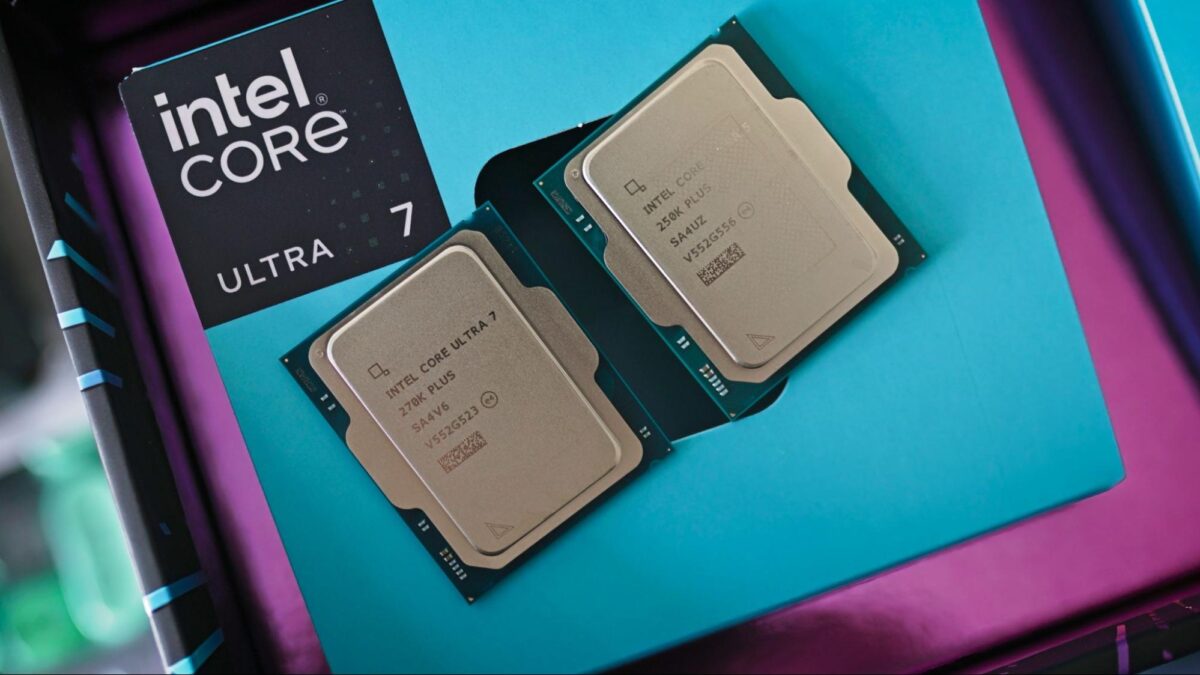
5.8GHz Thermal Velocity Boost, significantly more E-cores, native DDR5-7200 support, and a die-to-die interconnect overhaul — if the latest Intel Arrow Lake Refresh leaks hold up, the second half of 2025 is shaping up to be a genuinely interesting time for desktop CPUs. With leaked benchmarks suggesting up to 10% gaming improvement over vanilla Arrow Lake, the real question is whether Intel can close the gap with AMD’s Ryzen 9000 series — or if this is simply a well-executed holding pattern before Nova Lake arrives in 2026.
What Is Intel Arrow Lake Refresh? The Core Ultra 200S Plus Explained
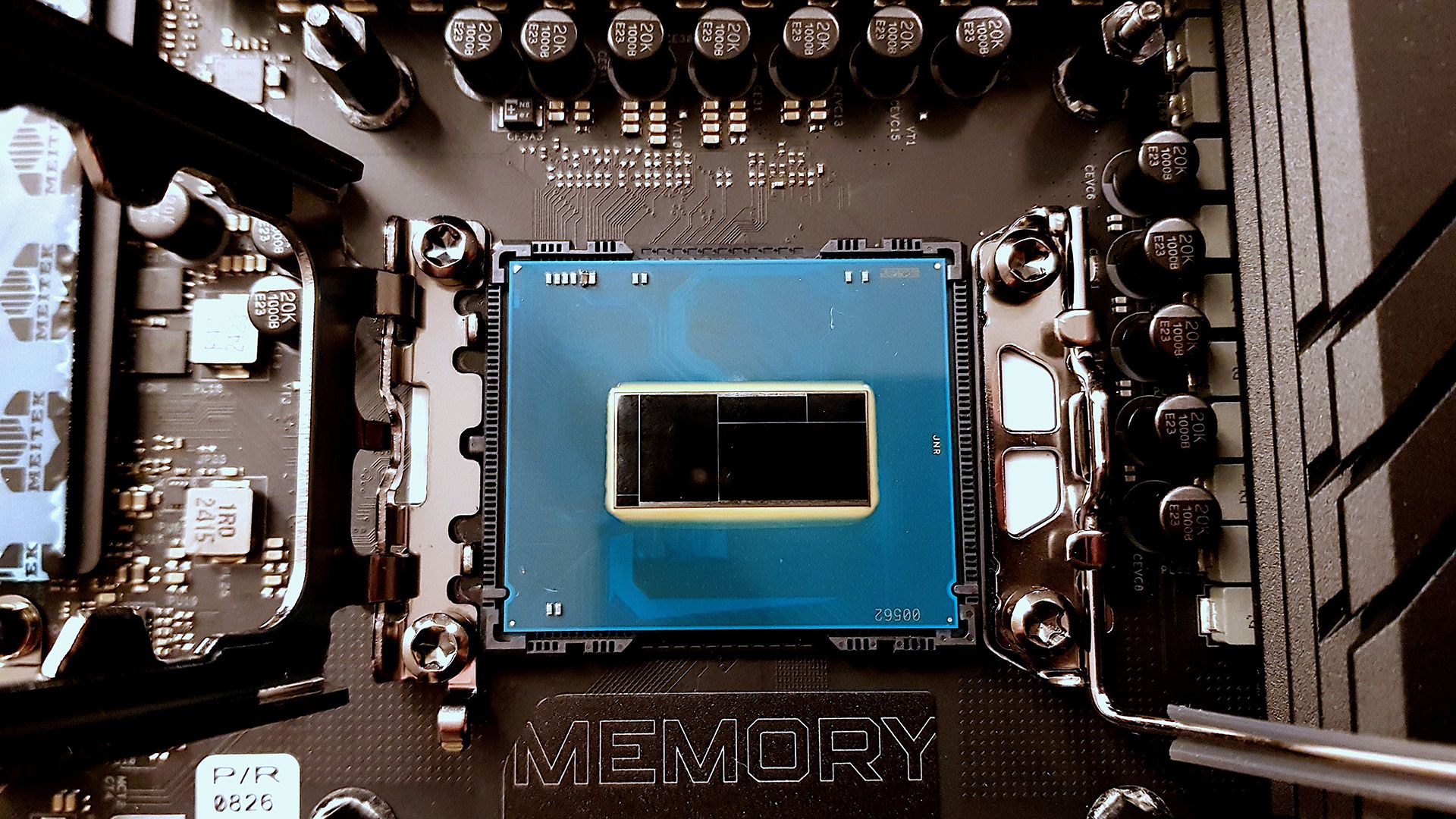
Intel Arrow Lake Refresh — officially branded as the Core Ultra 200S Plus series — is the updated version of the Arrow Lake-S desktop processors that launched in late 2024. Staying on the same LGA 1851 socket, these chips bring incremental but meaningful improvements across clock speeds, core counts, memory support, and the integrated NPU. This is expected to be Intel’s final product on the LGA 1851 platform before the architectural shift to Nova Lake in 2026.
What makes this refresh more interesting than a typical mid-generation update is the scope of changes. Beyond the expected clock speed bumps, Intel is upgrading from NPU 3 to NPU 4 (borrowed from the Lunar Lake mobile architecture), adding E-cores across the stack, and increasing die-to-die interconnect frequencies by 900 MHz. For a “minor” refresh, there’s a surprising amount of silicon-level work happening here.
Intel Arrow Lake Refresh Lineup: Full Spec Breakdown
Based on detailed leaks reported by Tom’s Hardware, the Core Ultra 200S Plus lineup consists of three key SKUs. Here’s how each one stacks up against its predecessor.
Core Ultra 9 290K Plus — The Flagship
The successor to the Core Ultra 9 285K maintains the same 8P+16E core configuration but pushes clock speeds higher. P-core turbo boost climbs from 5.5 GHz to 5.6 GHz (a modest 100 MHz bump), while E-cores see a more significant jump from 4.6 GHz to 4.8 GHz. Thermal Velocity Boost reaches 5.8 GHz under ideal cooling conditions. For context, NotebookCheck noted that the flagship would need more than an 8% boost clock increase to match the 14th-gen i9-14900K’s 6 GHz ceiling — so raw clock speed alone won’t be the story here. The gains will need to come from architectural efficiency improvements and the faster interconnects.
Core Ultra 7 270K Plus — The Biggest Upgrade
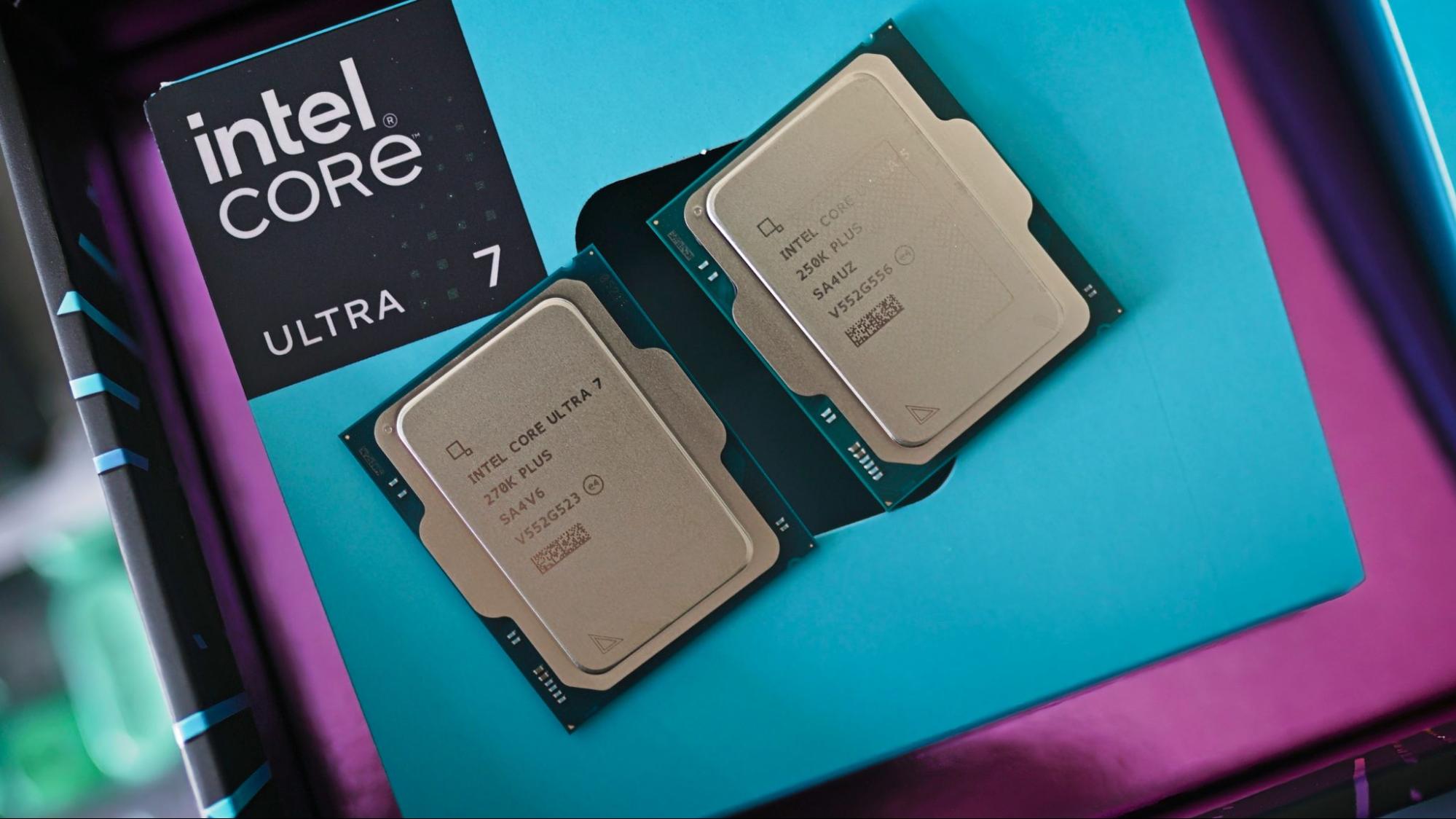
This is where the Arrow Lake Refresh gets genuinely compelling. The Core Ultra 7 265K shipped with 8P+12E cores, but the 270K Plus jumps to 8P+16E — matching the Ultra 9 tier’s core count. That’s four additional E-cores at the Ultra 7 price point, which translates to a substantial multi-threaded performance uplift. At a leaked price of $299, this positions the 270K Plus as arguably the sweet spot of the entire lineup. You’re getting Ultra 9-class core counts at a significantly lower price point, and for workloads that scale well with thread count — video encoding, 3D rendering, compilation — this could be the chip to buy.
Core Ultra 5 250K Plus — Budget Tier Gets Serious
The entry-level unlocked chip also receives a meaningful upgrade. Moving from 6P+8E (14 cores) to 6P+12E (18 cores), the 250K Plus gains four additional E-cores while maintaining the same P-core count. At a projected $199, you’re looking at an 18-core desktop CPU for under $200. For mainstream gamers and content creators who don’t need flagship-tier single-threaded performance, this represents outstanding value — especially paired with the DDR5-7200 memory support that’s now standard across the entire lineup.
DDR5-7200 Support and Platform Improvements
All Core Ultra 200S Plus processors gain native DDR5-7200 support, up from DDR5-6400 MT/s on the original Arrow Lake. That’s an 800 MT/s increase in official memory speed support, which matters more than it might sound on paper. Memory bandwidth and latency directly impact gaming frame rates, particularly at lower resolutions where the CPU is the bottleneck. For productivity workloads that move large data sets — think video editing timelines or large dataset processing — the additional bandwidth provides tangible benefits.
The 900 MHz increase in die-to-die interconnect clock frequency is perhaps even more significant. Arrow Lake’s multi-tile chiplet architecture means the CPU’s various functional blocks (P-cores, E-cores, GPU, I/O) communicate across tile boundaries. Faster interconnects mean lower latency for these cross-tile communications, which can reduce stuttering and improve consistency in workloads that exercise multiple parts of the chip simultaneously. This addresses one of the most technically valid criticisms of the original Arrow Lake’s chiplet design.
NPU 4: Copilot+ PC Compliance Comes to Desktop
The Arrow Lake Refresh upgrades the neural processing unit from NPU 3 to NPU 4, the same silicon used in Intel’s Lunar Lake (Core Ultra 200V) mobile processors. This upgrade brings the desktop platform into compliance with Microsoft’s Copilot+ PC requirements, enabling on-device AI features that were previously limited to laptops and tablets.
The practical value of an NPU in a desktop CPU is still debatable — most desktop users have discrete GPUs that handle AI inference far more efficiently. But as Windows continues to integrate AI features at the OS level, and as applications increasingly leverage local NPU acceleration for tasks like real-time translation, image generation, and intelligent search, having the hardware ready makes more sense as a forward-looking investment than it might seem today. It’s not the reason you’ll buy this chip, but you won’t regret having it in 18 months.
Gaming Performance: 7-10% Better, But AMD Still Leads
Leaked benchmarks suggest the Intel Arrow Lake Refresh delivers 7-10% gaming performance improvement over vanilla Arrow Lake. The gains come from a combination of higher boost clocks (potentially reaching 6 GHz), the 900 MHz die-to-die interconnect improvement, and increased ring bus frequencies. These are the right areas to optimize — they address the latency and communication bottlenecks that held back the original Arrow Lake in gaming scenarios.
But let’s be straightforward about the competitive landscape. AMD’s Ryzen 7 9800X3D currently sits roughly 40% ahead of the Core Ultra 9 285K in gaming benchmarks. A 7-10% improvement narrows that gap but doesn’t close it. Even if Arrow Lake Refresh somehow hits the upper end of performance estimates, AMD’s 3D V-Cache advantage in gaming workloads remains formidable. Intel isn’t reclaiming the gaming crown with this generation — that battle will be fought with Nova Lake and whatever AMD counters with.
That said, gaming benchmarks don’t tell the whole story. For users who game but also do productivity work — streaming, video editing, development — the balance of strong multi-threaded performance, competitive single-threaded speed, and reasonable pricing makes Arrow Lake Refresh a legitimate contender. The Core Ultra 7 270K Plus at $299 with 24 cores could be a particularly compelling option for this mixed-use audience.
Intel Binary Optimization Tool (iBOT): The Software Card
One of the more interesting developments around Arrow Lake Refresh is Intel’s Binary Optimization Tool, or iBOT. This software-level optimization tool recompiles game binaries to better leverage Intel CPU architectures, delivering an average 8% gaming performance uplift with peaks exceeding 22% in certain titles. If these numbers hold up in independent testing, iBOT effectively adds another layer of performance on top of the hardware improvements — and it could potentially benefit existing Arrow Lake owners as well.
The concept isn’t entirely new — AMD’s 3D V-Cache Profile switching in Ryzen 7000X3D chips showed that software-level optimizations can deliver meaningful performance gains. Intel taking a similar approach through binary optimization suggests the company recognizes that squeezing more performance from existing architectures requires working both sides of the hardware-software divide.
Pricing and Value: Intel Gets Aggressive
Perhaps the most telling aspect of the Arrow Lake Refresh is Intel’s pricing strategy. The Core Ultra 7 270K Plus at $299 and Core Ultra 5 250K Plus at $199 represent price cuts relative to the performance tier being offered. Getting 24 cores at $299 would have been unthinkable just two generations ago — and getting 18 cores at $199 puts serious multi-threaded capability within reach of budget builders. Intel clearly recognizes that it can’t compete with AMD on pure gaming performance right now, so it’s leaning into the value proposition for mixed-use workloads where core count and thread count matter alongside single-threaded speed.
For content creators, developers, and enthusiasts who split their time between gaming and production tasks, these price points make the Arrow Lake Refresh worth serious consideration — even if AMD holds the gaming crown. The total platform cost matters too: existing LGA 1851 motherboard owners can simply drop in a new CPU without changing anything else, making this a cost-effective mid-cycle upgrade path.
The Bottom Line: LGA 1851’s Last Stand
Intel Arrow Lake Refresh isn’t a revolutionary leap — it’s a refined, well-executed iteration. If you’re already on Arrow Lake, there’s no compelling reason to upgrade. But if you’re building new or coming from 12th/13th gen Intel (or even Ryzen 5000), the Core Ultra 200S Plus lineup offers a strong combination of multi-threaded performance, improved gaming capabilities, DDR5-7200 support, and future-ready NPU integration at competitive prices.
The standout value proposition is the Core Ultra 7 270K Plus at $299 — getting 24 cores with Ultra 9-class thread counts at a mid-range price point is exactly the kind of aggressive positioning Intel needs right now. Keep an eye on independent benchmarks when these chips launch in H2 2025, and watch for AMD’s response in pricing and potential new X3D models. Competition this fierce is great news for anyone building a PC this year.
Get weekly AI, music, and tech trends delivered to your inbox.