
iZotope Nectar 4 Summer Update: AI Vocal Chain Gets New Presets and 3 Modules That Change Everything
August 8, 2025
Claude Opus 4.1 vs GPT-5: Which AI Model Should You Use in August 2025?
August 11, 2025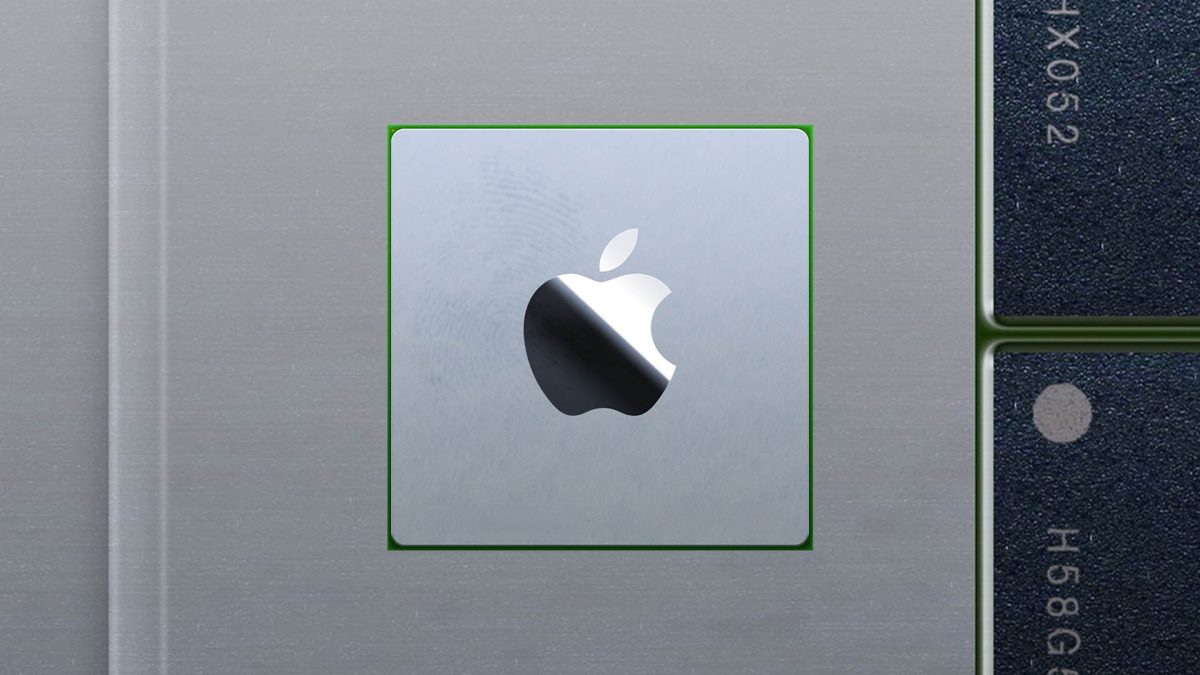
The iPhone 17 rumors are reaching critical mass. Dummy unit photos have leaked, chip fabrication details are confirmed through supply chain sources, and camera specs are crystallizing—with roughly a month until Apple’s September announcement, it’s time to lay out everything we know.
This year’s iPhone is shaping up to be the biggest design overhaul since the iPhone X in 2017. The traditional square camera bump is gone, replaced by a full-width camera bar spanning the rear of the device. Under the hood, the A19 Pro chip and 12GB of RAM are set to supercharge Apple Intelligence’s on-device AI capabilities. Let’s break down every major iPhone 17 rumors leak and what they mean for September’s announcement.
1. The iPhone 17 Camera Bar: The Most Visible Design Revolution
Dummy unit photos leaked throughout June and July have given us the clearest picture yet of the iPhone 17 Pro’s redesigned rear. According to 9to5Mac’s detailed analysis, the traditional square camera module has been replaced by a horizontal bar stretching across the top of the device.
Here’s what the leaks reveal about the camera bar:
- Full-width horizontal design: The bar spans the entire width of the phone
- Triangular lens arrangement: Three lenses positioned in a triangular layout within the bar
- Relocated LiDAR scanner: Moved to the far end of the bar, freeing up space for larger sensors
- Body-color matching: The camera module matches the phone’s body color for a unified look
- Glossy vs. matte contrast: The camera panel features a glossy finish against the matte body
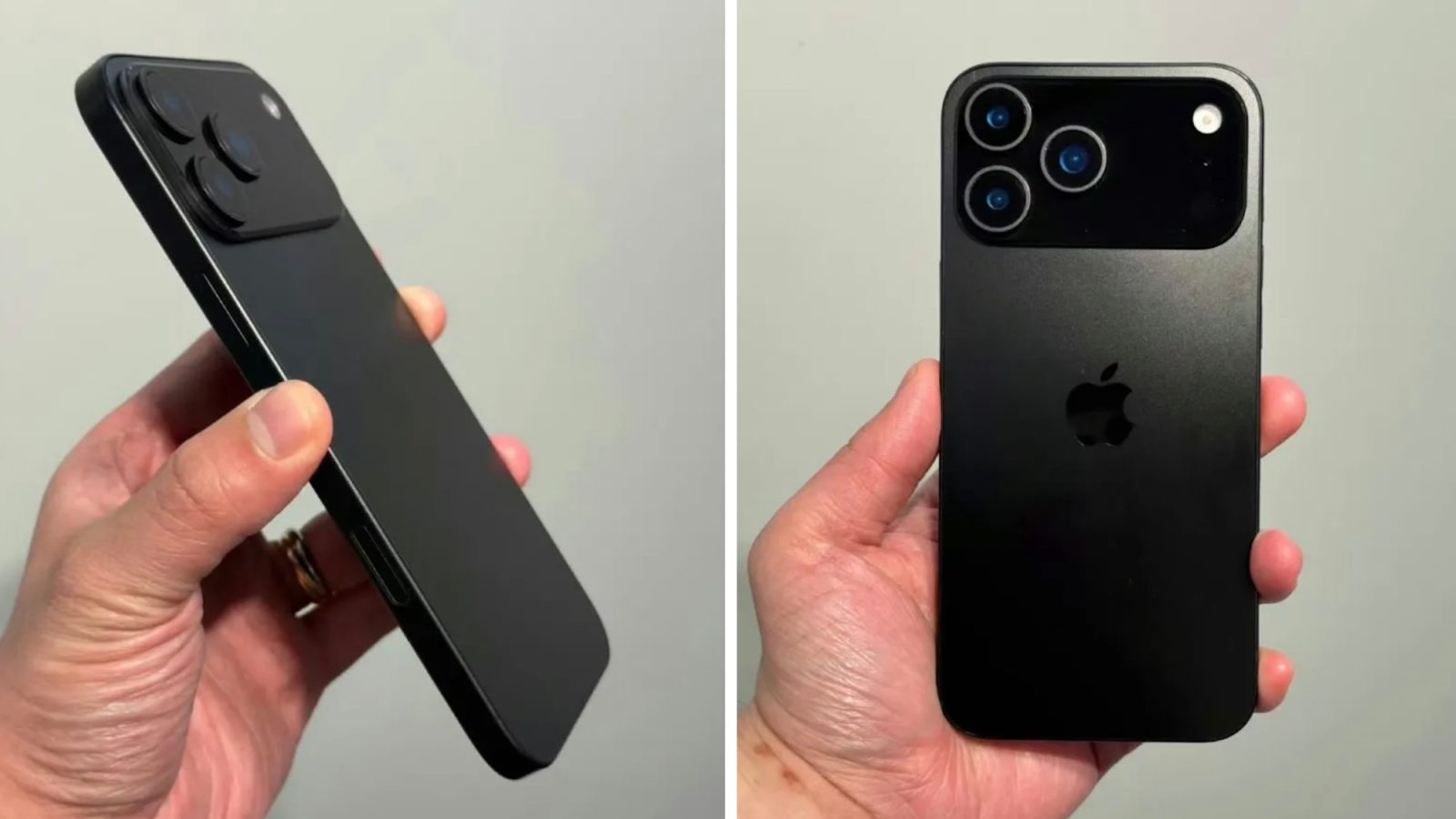
TechRadar’s coverage of the dummy unit photos confirms the glossy-on-matte design language. These are believed to be late-stage prototypes, suggesting the final production design is likely very close to what we’re seeing.
But why a camera bar in the first place? PhoneArena’s engineering analysis points to the 48MP telephoto lens as the driving force. The larger sensor required for the telephoto upgrade forced a rotated lens module, which in turn displaced the LiDAR scanner. The camera bar wasn’t born from a designer’s sketch—it was an engineering necessity that Apple turned into a design statement. That’s a crucial distinction: this isn’t change for the sake of change; it’s hardware capability driving form factor evolution.
2. A19 Pro Chip: TSMC’s 3nm N3P Process and What It Means for Performance
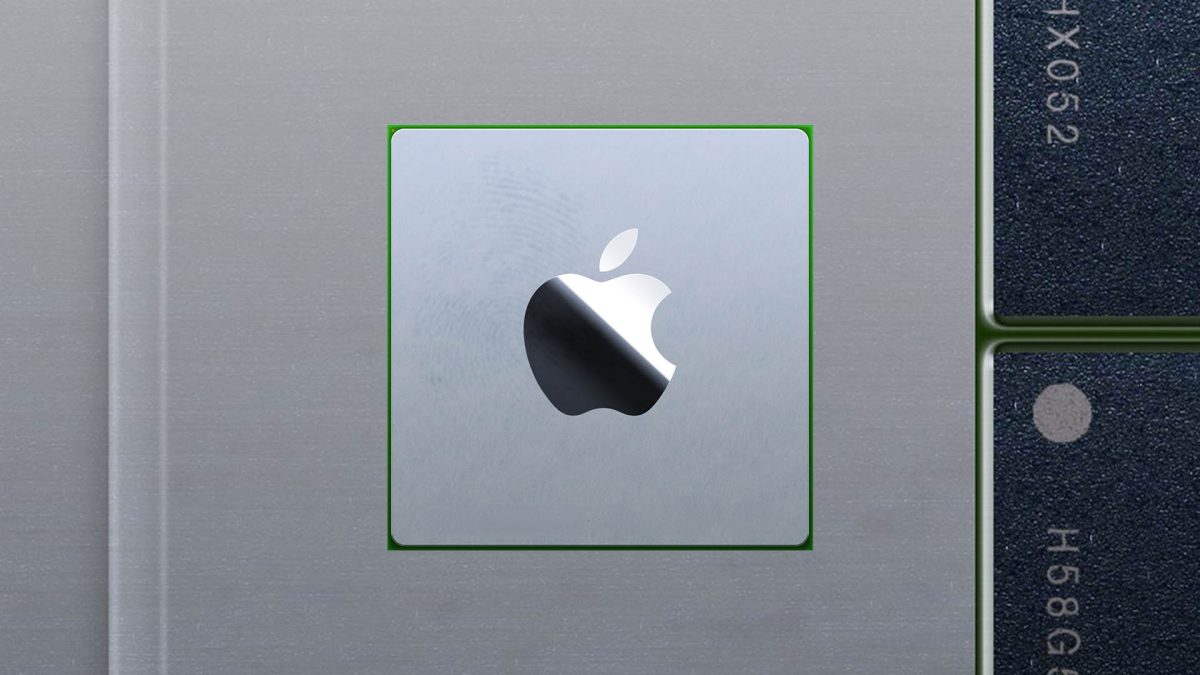
With the Hot Chips conference happening right now, the semiconductor industry’s spotlight makes this the perfect moment to examine what’s powering the iPhone 17 Pro. According to supply chain reports, the A19 Pro will utilize TSMC’s N3P 3nm process node.
The expected specifications paint a compelling picture:
- CPU: 6 cores (2 performance + 4 efficiency) — approximately 10-12% improvement over A18 Pro
- GPU: 6-core GPU (Pro exclusive) — a staggering 37-40% graphics performance leap
- Neural Engine: 16 cores — the backbone of on-device Apple Intelligence processing
- Process: TSMC N3P 3nm — improved power efficiency and transistor density over N3E
The GPU improvement deserves particular attention. If the 37-40% figure holds true, this isn’t just an incremental year-over-year bump—it’s a generational leap. For context, the A17 Pro to A18 Pro GPU improvement was closer to 20%. A near-doubling of that improvement rate suggests Apple is preparing the hardware foundation for significantly more demanding on-device AI workloads, advanced computational photography with the new 48MP sensor array, and possibly new graphically intensive features in iOS 19.
3. Triple 48MP Camera System: The Telephoto Finally Catches Up
One of the most practically impactful upgrades for everyday photography is the unification of the rear camera system. 9to5Mac reports that all three rear cameras on the iPhone 17 Pro will feature 48MP sensors for the first time.
- Main camera: 48MP (unchanged)
- Ultra-wide camera: 48MP (unchanged)
- Telephoto camera: 48MP (up from 12MP — a 4x resolution increase)
The telephoto upgrade is the headline here. Going from 12MP to 48MP means dramatically better image quality when using optical zoom, and significantly reduced degradation during digital crop zoom beyond the optical range. If you’ve ever been frustrated by mushy detail in zoomed iPhone photos, this is the upgrade you’ve been waiting for.
The front camera also gets a notable boost: 24MP, up from 12MP. This doubles the resolution for FaceTime calls, selfies, and the increasingly popular Center Stage feature. For content creators who rely on the front-facing camera for vlogs and social media, this is a meaningful upgrade that could reduce the need to flip the phone around for higher-quality shots.
The combination of a unified 48MP rear system and a 24MP front camera positions the iPhone 17 Pro as a serious computational photography powerhouse. With the A19 Pro’s enhanced Neural Engine processing these higher-resolution inputs, we can expect improvements in Smart HDR, Night mode, and the Photographic Styles system that Apple has been refining over the past few generations.
4. 12GB RAM and Aluminum Frame: Engineering Decisions That Tell a Story
Apple is reportedly increasing RAM from 8GB to 12GB—a 50% jump that reveals the company’s AI ambitions. Running large language models, image generation models, and intelligent assistants simultaneously on-device demands substantial memory. With iOS 19 expected to introduce even more capable Apple Intelligence features, 12GB of RAM is less about today’s needs and more about future-proofing for the next two to three years of AI evolution.
The frame material change has generated significant discussion. The titanium frame introduced with iPhone 15 Pro is reportedly being replaced with aluminum. Before you call it a downgrade, consider the engineering rationale:
- Superior thermal conductivity: Aluminum dissipates heat more efficiently than titanium, critical for a more powerful chip and additional RAM
- Weight reduction: Lower density means a lighter device
- Manufacturing precision: Easier machining enables tighter tolerances and new design possibilities
- Cost reallocation: Savings can be redirected to camera sensors, RAM, and cooling systems
In the context of a hotter-running A19 Pro chip and 50% more RAM, choosing aluminum for its thermal properties starts looking like strategic engineering rather than cost-cutting. Apple appears to be prioritizing function over materials-marketing for this generation.
5. Vapor Chamber Cooling and Battery: Pro Max Gets Exclusive Treatment
The iPhone 17 Pro Max is rumored to debut Apple’s first vapor chamber cooling system. Already used in Samsung’s Galaxy lineup and various gaming phones, vapor chamber technology uses a sealed chamber with coolant that evaporates and condenses to spread heat across a larger surface area than traditional heat pipes.
Making this Pro Max exclusive is a clear signal that Apple is widening the gap between Pro and Pro Max. For professionals shooting extended 4K or 8K video, running demanding audio processing, or pushing graphically intensive games, sustained peak performance without thermal throttling would be a compelling reason to choose the larger model.
Battery capacity rumors suggest the Pro Max could pack approximately 5,000mAh—the largest battery in iPhone history. Combined with the N3P chip’s improved power efficiency, the aluminum frame’s better thermal management, and the vapor chamber cooling, real-world battery life improvements could be substantial. For context, the iPhone 16 Pro Max’s battery was already impressive, and a jump to 5,000mAh could push screen-on time well beyond what any previous iPhone has achieved. Power users who currently carry a battery pack might finally be able to leave it at home.
6. Display Upgrades and New Colors: Anti-Reflective Coating Meets Bold Orange
According to MacRumors’ comprehensive rumor ranking, the iPhone 17 Pro will feature an anti-reflective, scratch-resistant display coating. This addresses two persistent pain points: outdoor visibility in direct sunlight and micro-scratches that accumulate from daily use.
On the aesthetics front, the Pro lineup is reportedly getting two bold new color options: Orange and Dark Blue. After years of muted tones—Black Titanium, White Titanium, Natural Titanium—Apple appears ready to inject personality into its premium line. The Orange option, in particular, would be a first for the Pro series. Paired with the new camera bar design and glossy-matte contrast, it could create one of the most distinctive-looking iPhones in years.
How Reliable Are These iPhone 17 Rumors?
With roughly a month until Apple’s expected September announcement, the iPhone 17 rumors have reached a level of specificity and consistency that typically signals accuracy. The camera bar design is virtually confirmed—we have physical dummy unit photos from multiple sources showing identical designs. The A19 Pro’s TSMC N3P fabrication has been corroborated through independent supply chain reports.
The less certain details include exact performance percentages (the 37-40% GPU claim could shift), final battery capacities, pricing structure, and the complete color lineup. Apple’s official invitations haven’t gone out yet, and the company has been known to make last-minute adjustments.
What’s clear is that the iPhone 17 is carrying the most significant hardware changes we’ve seen in years. A new design language with the camera bar, AI-ready hardware with 12GB RAM and a 16-core Neural Engine, a unified 48MP camera system, and Pro Max-exclusive cooling technology—Apple is making a statement. Whether you’re planning to upgrade or simply tracking the evolution of mobile technology, September’s keynote is shaping up to be one of the most consequential iPhone reveals since the notch arrived with the iPhone X. We’ll be watching closely.
Tracking the iPhone 17 and the latest in AI, tech, and innovation? Don’t miss a beat.
Get weekly AI, music, and tech trends delivered to your inbox.