AI Streaming Fraud Guilty Plea: How One Man Used Boomy to Generate 661,000 Fake Streams Per Day and Stole $10 Million
March 24, 2026
Plugin Alliance Brainworx Update: 64 Plugins Get Scalable UI + Free Upgrade in 2026
March 25, 2026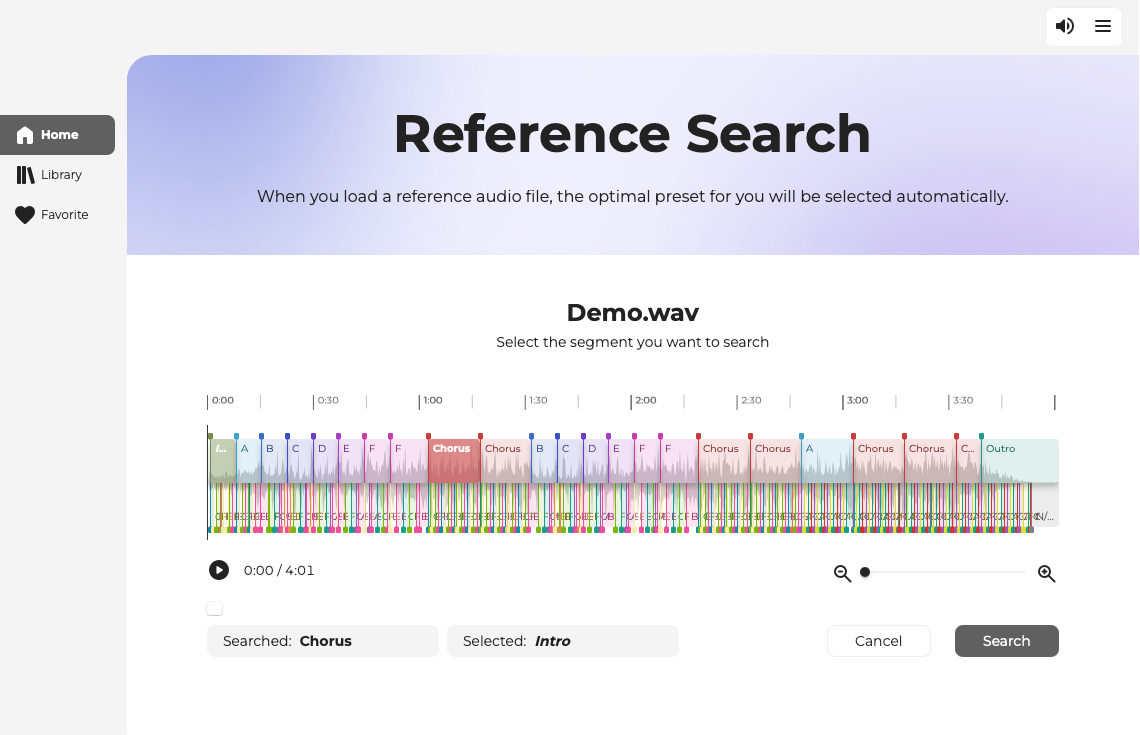
Roland just dropped what might be the most thoughtful AI music tool we’ve seen yet. In March 2026, the company officially unveiled Roland Melody Flip, an AI-powered melody generation plugin built on research from Sony Computer Science Laboratories (Sony CSL). Unlike the text-to-music generators flooding the market, Melody Flip takes a fundamentally different approach: it analyzes your existing music and suggests melodic ideas you can actually use — not finished songs you had no hand in creating.
What Is Roland Melody Flip? A New Paradigm for AI Melody Generation
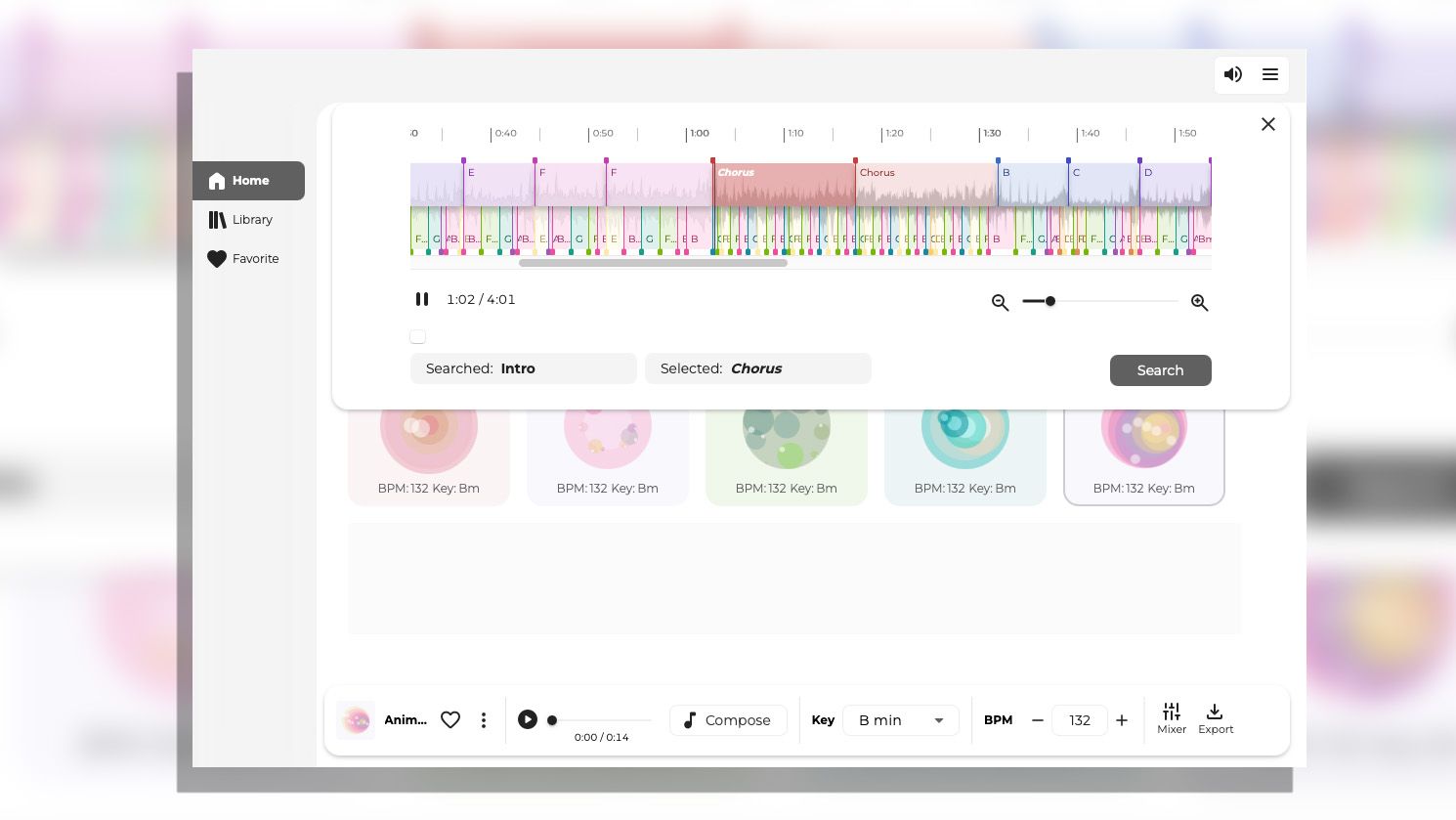
Roland Melody Flip is an AI-based melody generation software that imports audio files and automatically analyzes their musical DNA. We’re talking structure, BPM, beat positions, key, chord progression, genre, and mood — every core element that defines a track. This analysis is then paired with a built-in library of over 300 ‘creative palettes’ — pre-defined musical styles and tonal directions — to generate fresh melodic ideas tailored to your source material.
Here’s where it gets interesting: despite the name, Melody Flip doesn’t just generate melodies. It can produce chord progressions, bass lines, and drum parts as well, and everything can be exported in both audio and MIDI formats. You pick, tweak, chop, or completely rebuild whatever the AI suggests. The producer stays in the driver’s seat at all times.
The plugin runs as a standard DAW insert on both Windows and macOS, supporting all major plugin formats. This means whether you’re working in Ableton Live, Logic Pro, FL Studio, Cubase, or Pro Tools, Melody Flip slots into your existing workflow without friction. There’s no standalone app to juggle — it lives right inside your session where you need it most.
Sony CSL Flow Machines — From Academic Research to Your DAW
The technology powering Roland Melody Flip comes from Sony CSL’s Flow Machines project — one of the most ambitious AI music research initiatives ever undertaken. Flow Machines made global headlines back in 2016 when it produced ‘Daddy’s Car,’ an AI-composed pop song in the style of The Beatles. For years, this technology existed purely in the academic domain, tantalizingly close to practical application but never quite available to everyday producers.
On March 18, 2026, Sony CSL officially transferred the Flow Machines research outcomes to Roland Corporation, simultaneously discontinuing the Flow Machines Mobile app. This isn’t a simple licensing deal — it represents the full integration of Sony CSL’s core AI music technology into Roland’s ecosystem. According to Sony CSL’s official announcement, the transfer was a strategic decision to ensure “AI technology can more effectively support musicians’ creative processes.”
This is significant for multiple reasons. Roland brings decades of hardware and software expertise in music production, plus a massive existing user base through Roland Cloud. Sony CSL brings cutting-edge AI research refined over nearly a decade of academic work. The combination could produce something neither company could achieve alone — a commercially viable, musician-friendly AI tool backed by serious research credentials.
How Roland Melody Flip Works — The 4-Step Workflow
Melody Flip’s workflow is refreshingly straightforward. No prompt engineering, no complex parameter tweaking, no typing descriptions of what you want. Feed it music, get music back. Here’s the complete process:
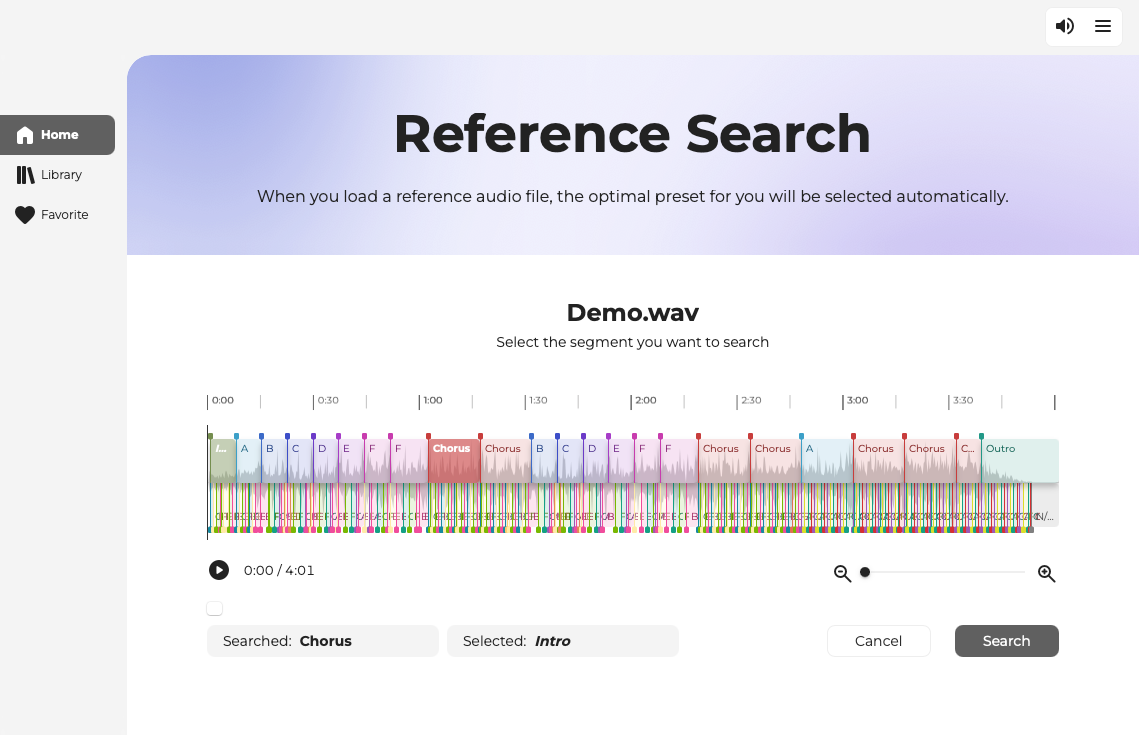
- Step 1 — Audio Import: Load a track you’re working on or a reference song into the plugin. This could be a rough demo, a beat you’ve been building, or even a commercial track you’re using as a creative reference point.
- Step 2 — Automatic Analysis: The AI detects the song’s structure, BPM, key, chord progression, genre, and mood. This analysis happens in real-time and provides a visual breakdown of the track’s musical architecture.
- Step 3 — Palette Selection: Choose from 300+ creative palettes to set the style and tonal direction for generation. These palettes function like creative filters — each one nudges the AI toward a specific musical aesthetic.
- Step 4 — Generate and Edit: Review the AI’s suggested melodies, chords, bass lines, and drum parts. Pick what works, modify it, combine elements from different generations, or use it as a springboard for your own ideas. Export everything as audio or MIDI.
Roland also emphasizes the educational value of Melody Flip. By visualizing a song’s structure and key relationships, the tool helps less experienced producers develop an intuitive understanding of music theory — learning by doing, not by reading textbooks. For producers who have always worked by ear, this visual feedback could be a game-changer for understanding why certain progressions and melodies work together.
The ‘Human Intent’ Philosophy — Why This Isn’t Another Suno
The hottest debate in AI music right now is whether these tools will replace musicians altogether. Services like Suno and Udio generate complete songs from text prompts — type a description, get a finished track. The results can be impressive, but they raise uncomfortable questions about authorship, creativity, and the role of human musicians in the production process.
Roland Melody Flip takes the polar opposite approach. In their official announcement, Roland stated: “These tools should not replace the artist, but support a workflow where human intent, taste and creativity remain at the core. Technology should act as a partner or co-creator, rather than a main creator.” Roland is a founding supporter of the Principles for Music Creation with AI, and Melody Flip is the first product that puts those principles into practice.
In practice, this means Melody Flip never outputs a finished song. It provides seeds of ideas, and how you grow them is entirely your decision. The MIDI export capability reinforces this — nothing is locked in a black box. Every note can be moved, every rhythm adjusted, every chord reharmonized in your DAW of choice. This is a tool designed for musicians who actually make music, not for people who want AI to make music for them.
Availability, Pricing, and Platform Support
Roland Melody Flip will be available through Roland Cloud Manager starting May 2026. Pricing hasn’t been announced yet, but a free trial will launch alongside the full release. The software supports both Windows and macOS, and Roland has confirmed compatibility with all major DAW plugin formats — meaning VST3, AU, and AAX should all be covered at launch.
For existing Roland Cloud subscribers, there’s a strong chance Melody Flip will integrate into the current subscription tiers. Roland Cloud already delivers Zenbeats, hardware emulation plugins, and a growing library of software instruments, so Melody Flip fits naturally into that ecosystem. Whether it will require an additional purchase or come bundled with certain subscription levels remains to be seen.
How Melody Flip Compares to Other AI Music Tools
The AI music tool landscape in 2026 is crowded, but Melody Flip occupies a distinct position. Tools like Suno and Udio focus on end-to-end song generation from text — useful for content creators and non-musicians, but alienating for producers who want creative control. On the other end, tools like iZotope’s AI-powered mixing assistants focus on post-production rather than composition.
Melody Flip sits in the sweet spot: it’s a composition assistant that respects the creative process. The closest competitors might be tools like Google’s MusicFX or Boomy’s AI generation, but those still lean toward complete output rather than collaborative ideation. Melody Flip’s audio-analysis-first approach — starting from your existing music rather than from scratch — is genuinely novel in the consumer market. The fact that everything exports as editable MIDI puts it firmly in the “tool for musicians” category rather than “replacement for musicians.”
What Roland Melody Flip Means for Producers in 2026
After 28 years in the audio industry, I can tell you that the real value of AI music tools isn’t about how good the generated songs are — it’s about how quickly you can find good ideas. The most painful moment in production is staring at an empty DAW session, unable to conjure that first melody. Every producer knows this feeling. Melody Flip attacks exactly this problem.
Three aspects stand out to me. First, the audio-analysis-first approach — because it starts from actual music rather than text prompts, the suggestions naturally fit the context of your existing work. If you feed it a moody minor-key beat, you won’t get suggestions that belong in a major-key pop anthem. Second, MIDI export — generated ideas aren’t trapped in a walled garden; they’re fully editable data you own. Every note, velocity, and timing value is yours to reshape. Third, the 300 creative palettes — having curated style directions means you’re less likely to get completely off-target results, and more likely to discover interesting variations you hadn’t considered.
As Sound On Sound reported, Roland is committed to “the responsible development of AI experiences that enhance and empower human creativity without displacing it.” This isn’t just marketing copy — Melody Flip’s actual design embodies this philosophy at every level. And with MusicRadar noting that the tool prioritizes human intent, the industry reception has been largely positive.
When the free trial drops in May, I’d strongly recommend testing it within your production workflow. The goal isn’t to use AI-generated melodies as-is — it’s to use them as launchpads for your own creative direction. That distinction is exactly what separates Roland’s vision from the text-to-music crowd, and it’s the approach that will actually make producers better at their craft.
Get weekly AI, music, and tech trends delivered to your inbox.
Exploring AI-powered melody generation for your productions? Whether you need professional mixing, mastering, or help integrating AI tools into your creative workflow, we can help.