iPhone 17 Pro AI Features: Why Apple Delayed Siri LLM and What Visual Intelligence Actually Does
September 3, 2025
Apple Watch Series 11 Blood Pressure Monitoring Changes Everything – Sleep Apnea, 5G, 24-Hour Battery
September 3, 2025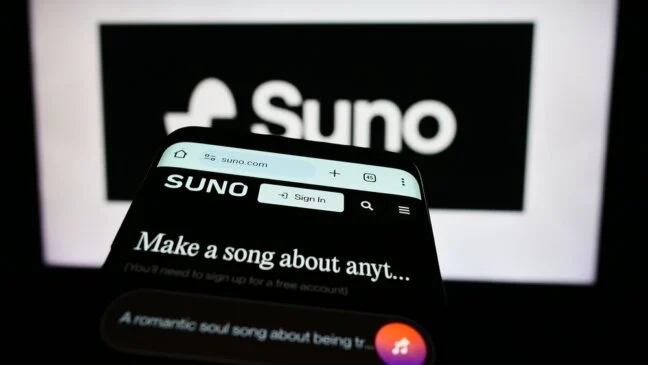
The $500 million question that has haunted AI music for over a year just got its first real answer — and it’s not the scorched-earth outcome most people expected.
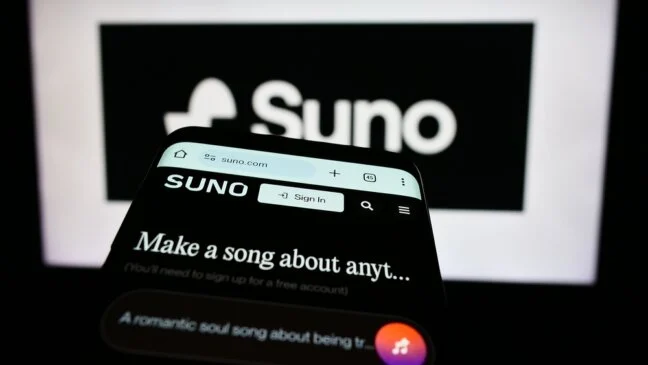
Warner Music Group has officially settled its copyright infringement lawsuit against Suno, the AI music generation platform valued at $2.45 billion. More than just a legal truce, this is a landmark licensing deal that could redefine how AI and the music industry coexist. WMG becomes the first major label to break from the united litigation front, and the ripple effects are already reshaping the conversation around the Suno AI copyright settlement and what comes next.
From $500M Lawsuit to Licensing Partners: The Full Story
In June 2024, the RIAA filed a joint lawsuit on behalf of Universal Music Group, Sony Music Entertainment, and Warner Music Group against Suno, seeking up to $150,000 per infringed track. The allegations were severe: Suno had trained its AI models on copyrighted recordings without authorization, generating music that the labels claimed was built on their artists’ work.
For over a year, the case escalated. Suno acknowledged training on copyrighted material but argued it constituted fair use. The company cited favorable precedents — Bartz v. Anthropic in June 2025, where a federal judge ruled AI training on copyrighted books was protected fair use. But the music industry fought back: a May 2025 U.S. Copyright Office report specifically questioned whether music training qualified as fair use, and in September 2025, the labels added explosive new allegations that Suno had used YouTube stream-ripping — illegal piracy — to collect its training data.
Then came the surprise. Rather than wait for a court verdict that could have gone either way, WMG broke ranks and chose collaboration over confrontation.
What the Suno AI Copyright Settlement Actually Includes
This isn’t a simple “pay us and go away” settlement. The WMG-Suno deal creates an entirely new framework for AI music creation that addresses the industry’s core concerns:
Licensed AI Models Replace Unauthorized Training
Suno will launch new, more advanced models in 2026, trained exclusively on licensed material. The current models — the ones at the center of the copyright dispute — will be permanently deprecated. This is the single biggest concession: an explicit admission that the old training approach wasn’t sustainable, and a commitment to a licensed future.
Artist Opt-In Control
Artists and songwriters retain full control over whether their names, images, likenesses, voices, and compositions are used in AI-generated music. This opt-in framework is critical — it means no artist’s work will be used without explicit consent, a principle that WMG CEO Robert Kyncl called non-negotiable.
“AI becomes pro-artist when it adheres to our principles: committing to licensed models, reflecting music value, and providing opt-in for AI use,” said Kyncl in TechCrunch’s coverage.
Download Restrictions and Monetization Overhaul
The deal fundamentally changes how Suno users access their creations:
- Free tier: Songs are playable and shareable, but no longer downloadable
- Paid tier: Monthly download caps with the option to purchase additional downloads
- Account requirement: All audio downloads require a paid subscription
This monetization shift ensures that revenue flows back to rights holders — a key demand from the labels throughout the litigation.
Songkick Acquisition: Fan Engagement Play
In an unexpected twist, Suno also acquired Songkick, the concert-discovery platform, from WMG as part of the deal. The combination of AI music creation with live event discovery signals Suno’s ambition to build a deeper artist-fan connection ecosystem beyond just generating tracks.
Why WMG Broke Ranks — and What It Means for UMG and Sony
The most significant aspect of this deal isn’t the terms themselves — it’s the strategic calculus behind WMG’s decision to settle first. Universal Music Group and Sony Music Entertainment remain in active litigation against Suno, and this split creates fascinating dynamics.
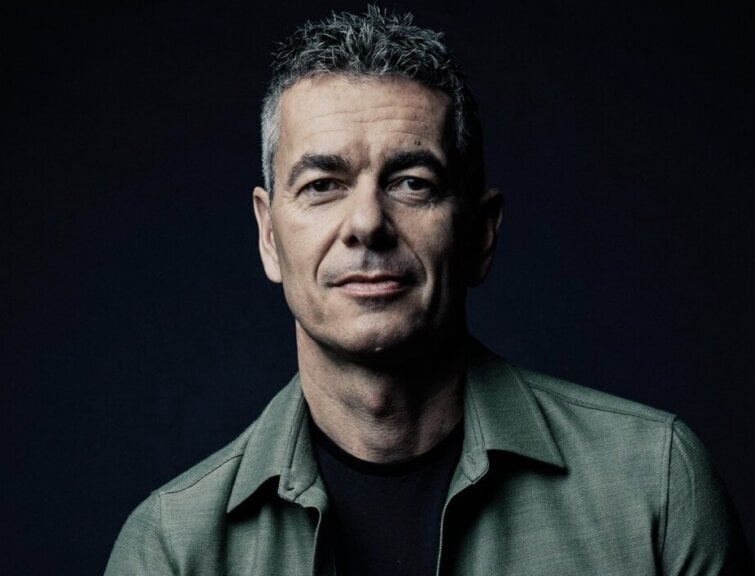
WMG, under Robert Kyncl’s leadership (a former YouTube executive), has consistently taken a more technology-forward approach than its competitors. By settling early, WMG gains first-mover advantage: its catalog gets priority integration into Suno’s licensed models, its artists get early access to new AI collaboration tools, and it establishes the template that UMG and Sony will likely need to follow.
The pressure on the remaining labels to settle has intensified dramatically. If Suno’s licensed models launch with WMG content but without UMG or Sony catalogs, those labels risk being left behind in a market that’s moving fast — Suno generated approximately $200 million in annual revenue and recently closed a $250 million Series C at a $2.45 billion valuation.
Suno’s Legal Defense: Why Fair Use Wasn’t Enough
To fully understand why this Suno AI copyright settlement matters, consider the legal landscape it navigated. Suno’s core defense rested on Section 114(b) of the Copyright Act, arguing that its AI “exclusively generates new sounds, rather than stitching together samples.” In other words, even if the model learned from copyrighted recordings, the output was entirely original — no borrowed audio fragments, no derivative works.
This argument gained momentum when favorable AI-training rulings emerged in mid-2025. But the music industry’s counter-strategy proved devastating: by alleging YouTube stream-ripping violations under the DMCA, the labels shifted the debate from “is the output infringing?” to “was the training data acquired illegally?” Fair use is not a defense against circumventing technological protection measures, and this reframing put Suno in a significantly weakened legal position — making settlement more attractive than risking a courtroom loss.
The Legal Precedent: Bigger Than Music
The Suno AI copyright settlement carries implications far beyond the music industry. It’s the first major licensing deal between a generative AI company and a major rights holder that emerged directly from litigation, and it establishes several principles that will echo across all creative industries:
- Licensed training is the future: The deprecation of unlicensed models sends a clear signal that “train now, ask permission later” has an expiration date
- Opt-in over opt-out: The deal’s artist consent framework sets a high bar for creator control
- Monetization sharing: Download restrictions and paid tiers create revenue pathways for rights holders
- Collaboration beats litigation: WMG’s approach suggests that commercial partnerships may yield better outcomes than years of courtroom battles
Udio, the other AI music platform sued by the labels, also reached a similar settlement with WMG under comparable terms, suggesting this framework is becoming the industry standard.
What Happens Next: The 2026 Roadmap
According to Music Business Worldwide, Suno’s CEO Mikey Shulman framed the deal as transformative: “Our partnership unlocks a bigger, richer Suno experience for music lovers while accelerating our mission to change music’s place in the world.”
Here’s what to expect in 2026:
- New licensed AI models trained on WMG’s catalog (and likely other major labels’ catalogs as more deals close)
- Fan engagement features allowing users to create content with participating artists’ voices, compositions, and likenesses
- Integration of Songkick’s live event data into Suno’s platform
- Potential settlements with UMG and Sony, completing the transition to a fully licensed ecosystem
The Bottom Line for Creators and the Industry
For music creators, this settlement is a net positive. The opt-in framework ensures that artist consent is paramount, the licensed model approach legitimizes AI music creation, and the monetization structure creates real revenue pathways. For the AI music industry, it provides the regulatory clarity that investors and developers have been desperate for — Suno’s $2.45 billion valuation reflects confidence in a licensed future, not a legal gamble.
The Suno AI copyright settlement doesn’t just resolve a lawsuit — it writes the first chapter of how generative AI and creative rights holders will coexist. And with the AES Convention and Apple’s fall events on the horizon, this deal ensures that AI music will dominate the industry conversation for months to come.
Get weekly insights on AI, music technology, and industry trends delivered straight to your inbox.
Get weekly AI, music, and tech trends delivered to your inbox.