AMD Ryzen AI 400 Desktop APU: 8 Cores, Radeon 860M, and Why It’s the Budget Music Production CPU of 2026
March 12, 2026
TIOBE Index March 2026: Python Drops 5.7 Points in 8 Months — 3 Reasons C Is Closing the Gap
March 12, 2026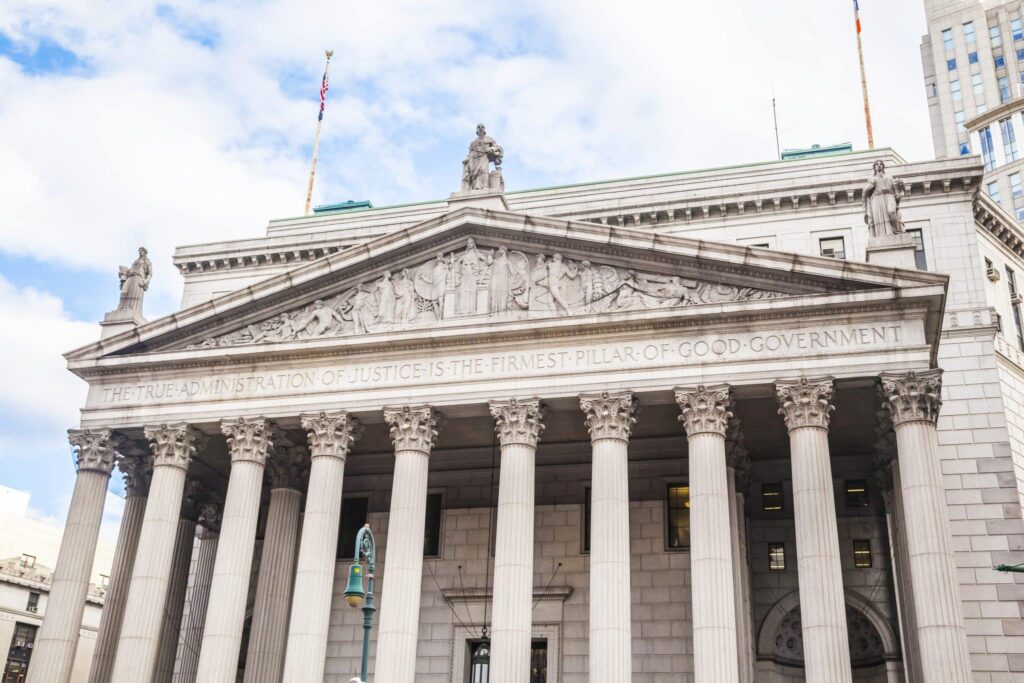
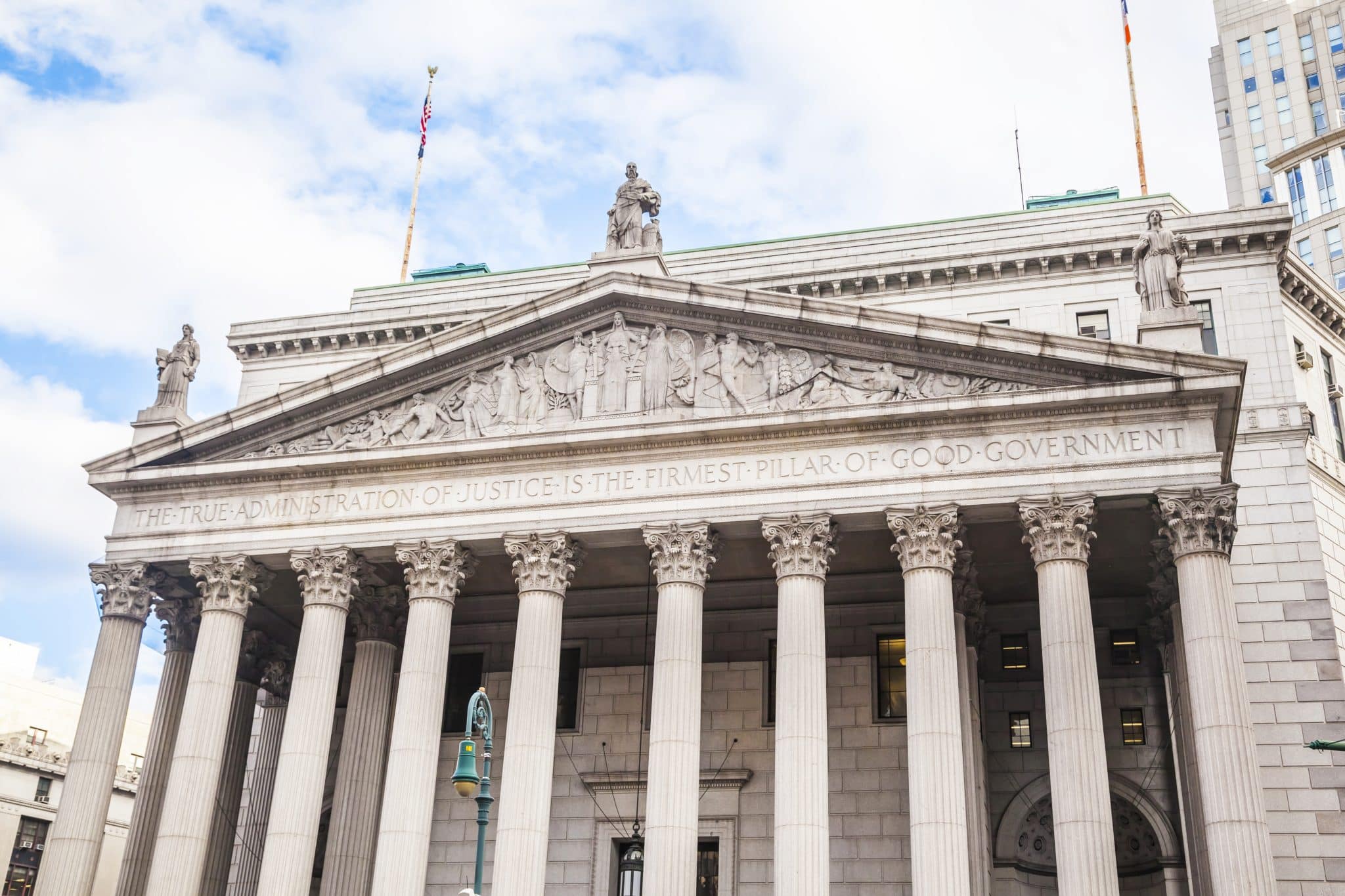
What if the company that controls your concert experience — the venue, the promoter, and the ticket seller — is about to be broken apart by the US government? That question drove the opening days of the most consequential antitrust trial in music industry history. The federal case against Live Nation and Ticketmaster began on March 2, 2026, before U.S. District Judge Arun Subramanian in Manhattan. And while a surprise settlement cut the trial short, the testimony that emerged in its first week may have already changed the industry forever.
The Department of Justice, backed by 39 states and Washington D.C., accused Live Nation of running an illegal monopoly across the entire live events ecosystem: concert promotion, artist management, venue ownership, and ticketing. Ticketmaster alone controls roughly 80% of the primary ticketing market. The DOJ’s opening line was blunt — “the concert industry is broken and controlled by Live Nation.” Live Nation’s defense countered that the market is “more competitive than ever” and that the DOJ had “cherry-picked” its evidence.
Then came the witnesses. Here are the 3 key testimonies that defined the trial — and that 26 states are now using to continue litigation even after the federal settlement.
1. The Barclays Center Bombshell: John Abbamondi
The most explosive testimony of the trial came from John Abbamondi, the former CEO of the Barclays Center in Brooklyn. In 2021, Barclays made a business decision to switch its ticketing vendor from Ticketmaster to SeatGeek. What followed, Abbamondi told the jury, was swift and unmistakable retaliation.
A recorded phone call between Abbamondi and Live Nation CEO Michael Rapino was played in open court — described by observers as adversarial and expletive-laden. Abbamondi testified that Rapino made a comment he interpreted as a “veiled threat — maybe not-so-veiled threat” that Live Nation would reduce the number of concerts it booked at Barclays if the venue didn’t switch back to Ticketmaster.
The numbers backed him up. Live Nation show bookings at Barclays dropped significantly after the SeatGeek switch. Abbamondi pointed to a specific, high-profile example: Billie Eilish’s 2022 New York tour dates. Before Barclays signed with SeatGeek, Eilish had been scheduled to play both Barclays Center and Madison Square Garden. When her tour resumed post-pandemic, the Barclays dates were gone — replaced by shows at Madison Square Garden and the UBS Arena on Long Island, both of which use Ticketmaster. Live Nation claimed the artist made this choice. Abbamondi said a Billie Eilish manager told a Barclays employee the opposite.
This testimony illustrated the core DOJ theory: that Live Nation weaponizes its concert promotion power to enforce Ticketmaster exclusivity at venues. A venue that defects from Ticketmaster doesn’t just lose a software vendor — it risks losing major touring acts.
2. The Venue Retaliation Pattern: Industry Operators Speak Out
Abbamondi’s account was not an isolated incident. Multiple venue operators testified in the trial’s first week that Live Nation employees had directly threatened retaliation if their venues did not maintain Ticketmaster as their exclusive ticketing provider. This pattern-of-conduct evidence was central to the DOJ’s case that this wasn’t rogue behavior — it was systematic policy.
The venue witnesses painted a picture of an industry operating under a silent constraint: you can sign with anyone for ticketing, but you should understand what that choice costs in concert bookings. For most venues, Live Nation-promoted tours represent the majority of their major event calendar. Losing those bookings isn’t a competitive inconvenience — it’s an existential threat.
This testimony was designed to prove that Ticketmaster’s near-80% market share isn’t simply the result of having a superior product. It’s maintained through a system of incentives and penalties that make switching prohibitively costly for most venues. That’s the textbook definition of anti-competitive conduct under the Sherman Act.
3. The Artist Perspective: Kid Rock Takes the Stand
One of the most unusual elements of the trial was seeing a major recording artist testify in a federal antitrust proceeding. Kid Rock (Robert Ritchie) appeared as a witness for the DOJ/plaintiffs, offering a touring artist’s view of the power dynamics inside Live Nation’s ecosystem.
Kid Rock’s perspective matters because of the chain of leverage the DOJ alleges. Live Nation manages 400+ artists and controls 265+ North American venues. If an artist wants to tour major markets, they are highly likely to need access to Live Nation-controlled venues. If a venue is booked through a Live Nation promoter, Ticketmaster typically follows. And if an artist pushes back against this system, they risk being deprioritized for bookings at the venues that matter most.
The defense countered with its own artist witness: Ben Lovett of Mumford & Sons, who argued that artists do have genuine choices in the current market. Irving Azoff — the music industry power broker who engineered the original 2010 Live Nation-Ticketmaster merger — was also called as a defense witness, arguing that the combined entity created efficiencies and that competition in live events is more vibrant than the government claims.
But the contrast between the plaintiff and defense artist witnesses underscored a core tension: the experience of Live Nation’s ecosystem depends enormously on how much leverage the artist has. Kid Rock, despite his commercial success, was willing to testify that the system isn’t as free or fair as Live Nation portrays it.
The Settlement: A Win for Live Nation, A Loss for Fans?
Before a second week of testimony could begin, the DOJ and Live Nation reached a surprise settlement on March 9, 2026. There will be no forced breakup of Ticketmaster. Instead, the deal includes: $280 million paid to participating states, divestment of exclusive booking at 13 amphitheaters, a 15% cap on service fees at Live Nation amphitheaters, and requirements for Ticketmaster to open its technology to rivals like SeatGeek and Eventbrite.
The reaction from critics was immediate and harsh. The National Independent Venue Association called it “a failure of the justice system,” noting that $280 million represented just four days of Live Nation’s 2025 revenue. Former antitrust official John Newman put it plainly: “You really couldn’t send a clearer message that antitrust is dead at the federal level.”
Crucially, 26 of the 30 states that were party to the lawsuit rejected the settlement. New York Attorney General Letitia James announced her state will continue pursuing the case “so that we can secure justice for all those harmed by Live Nation’s monopoly.” Arizona, California, Colorado, and others are pressing on. Judge Subramanian ordered the holdout states back to negotiations at a March 10 hearing — but made clear the case would resume if no deal was reached.
The three testimonies above — from Abbamondi, the venue operators, and Kid Rock — remain the evidentiary foundation that 26 state AGs are building their continued cases on. The federal government may have stepped back. The states have not.
For music industry professionals, investors, and anyone paying attention to IP and competition law, this case is far from over. The structural questions it raises — about vertical integration, platform power, and the limits of market dominance — will define the live events business for the next decade.
If you need insights on music industry business strategy or IP consulting, reach out here. These are exactly the kinds of structural shifts that require experienced navigation.
Get weekly AI, music, and tech trends delivered to your inbox.