
Samsung Galaxy Tab S10 FE: 5 Reasons This $499 Tablet Beats Everything in Its Class
October 8, 2025
Shure SM7dB Review: The Built-In Preamp That Finally Solves the SM7B’s Biggest Problem
October 9, 2025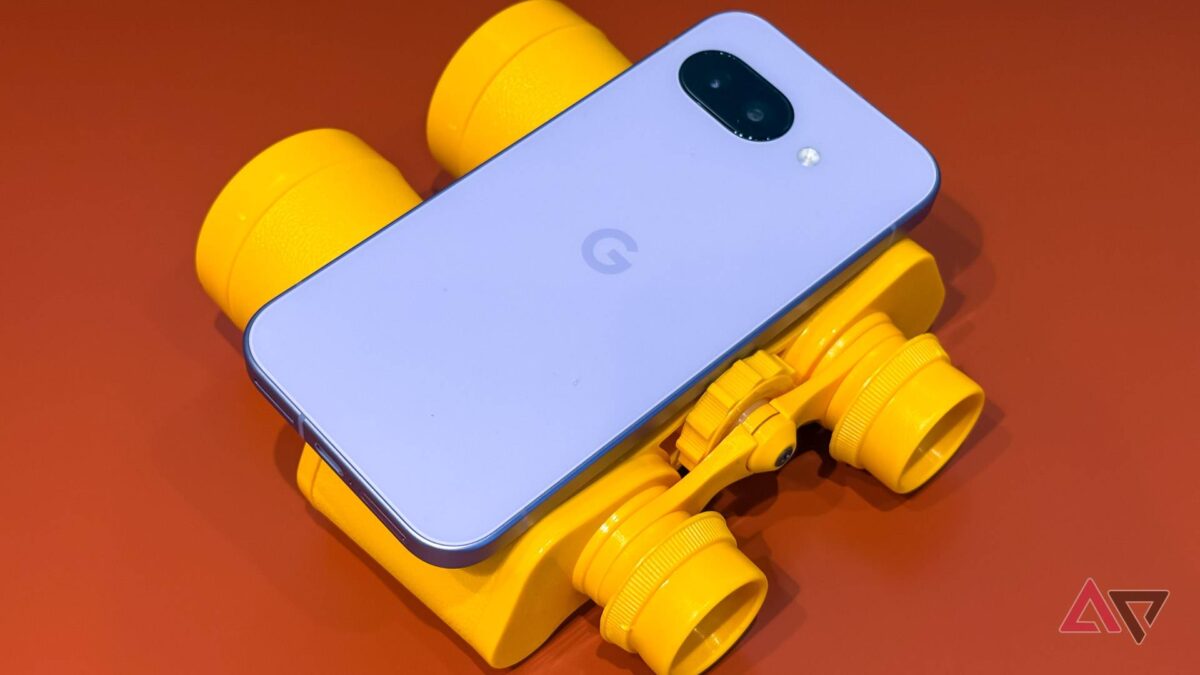
A $499 phone with the same Gemini AI as Google’s flagship? That was the promise. Six months after launch, the Google Pixel 9a AI features tell a more nuanced story — one where a smaller AI model, less RAM, and two missing features change the calculus in ways Google’s marketing glossed over entirely.
Google Pixel 9a AI Features: The Gemini Nano XXS Reality
Let’s start with the elephant in the room. The Pixel 9a doesn’t run the same AI model as the Pixel 9. While the Pixel 9 packs Gemini Nano XS — a multimodal model capable of processing both text and images — the 9a runs Gemini Nano XXS, a text-only variant that’s significantly more limited.
According to Android Police’s deep dive, this isn’t just a naming difference. The XXS model can’t process images on-device, which eliminates entire categories of AI functionality. The reason? The Pixel 9a ships with 8GB of RAM compared to the Pixel 9’s 12GB. That 4GB gap forced Google’s hand — there simply isn’t enough memory to run the larger model alongside everything else the phone needs to do.
The operational difference matters too. On the Pixel 9, Gemini Nano XS runs persistently in the background, ready to process requests instantly. On the 9a, the XXS model activates on-demand — it loads when you need it and unloads when you don’t. In practice, this means a brief pause before AI features kick in, and it means the phone can’t proactively analyze content the way the Pixel 9 can.
The Two Missing AI Features That Actually Matter
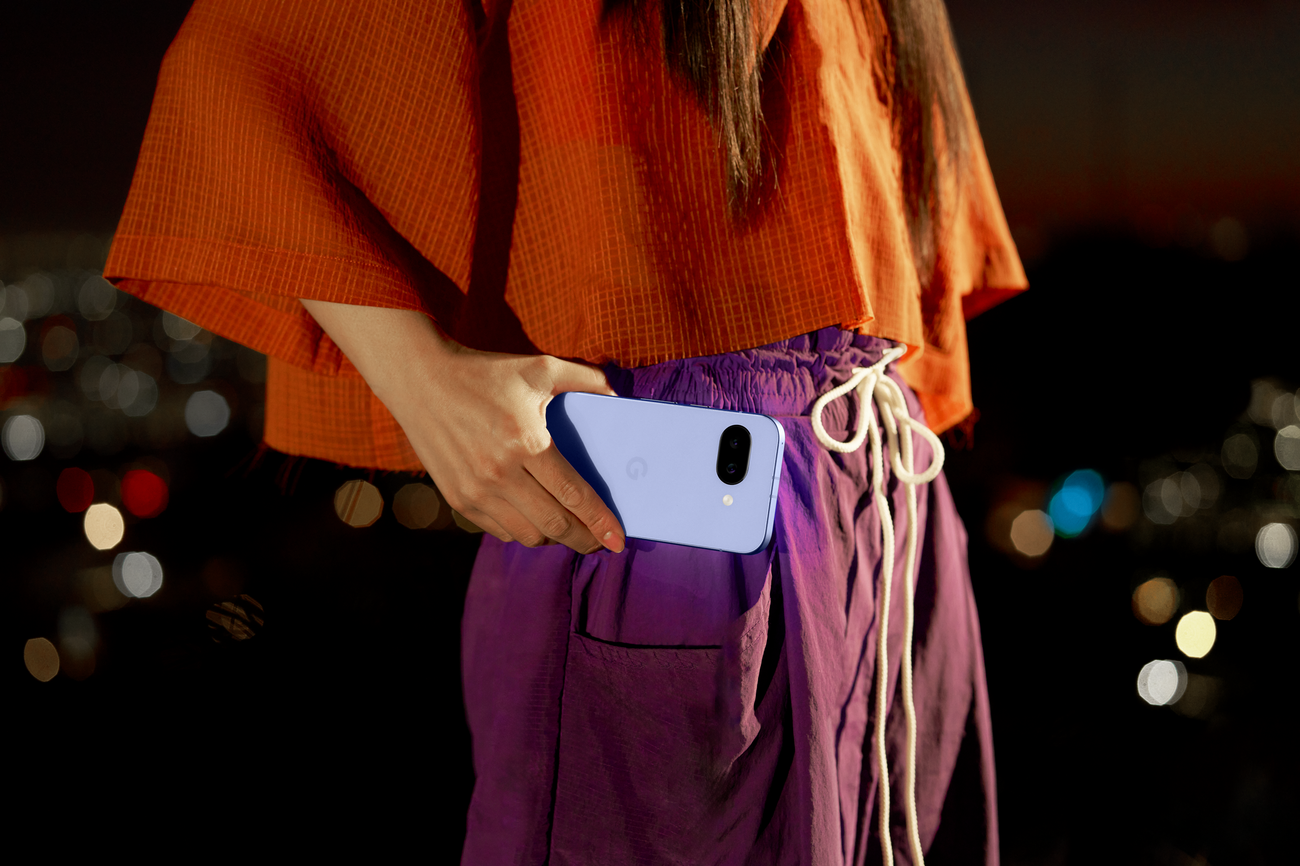
Google doesn’t exactly advertise what the Pixel 9a can’t do. But two notable AI features from the Pixel 9 are completely absent on the 9a: Pixel Screenshots and Call Notes.
Pixel Screenshots is one of the most genuinely useful AI features Google has built. It uses on-device AI to analyze every screenshot you take, making them searchable by content. Took a screenshot of a restaurant recommendation three months ago? Just describe it and the AI finds it. It’s the kind of feature that becomes indispensable once you start using it — and the 9a doesn’t have it.
Call Notes automatically transcribes and summarizes phone calls, creating searchable records of conversations. For anyone who takes business calls on their personal phone, this feature alone could justify a phone choice.
As Android Central reported, both features require multimodal AI processing — exactly what Gemini Nano XXS can’t do. This isn’t a software lockout that could be fixed with an update. It’s a hardware limitation baked into the phone’s DNA.
What You Still Get: 12 AI Features That Survived the Cut
Here’s where the narrative shifts. Despite the compromises, the Pixel 9a’s remaining AI feature set is still arguably the most comprehensive you’ll find in any phone under $500. And it’s not even close.
- Gemini Live — Natural, conversational AI assistant that can discuss topics in depth, brainstorm ideas, and handle complex queries with voice interaction
- Magic Editor — The flagship photo editing tool that lets you move objects, erase elements, change backgrounds, and reimagine compositions using generative AI
- Best Take — Analyzes multiple frames from group photos and lets you swap faces so everyone has their best expression in the final shot
- Add Me — Composites the photographer into group photos by taking two shots and merging them seamlessly
- Audio Magic Eraser — Isolates and removes specific sounds from videos — traffic noise, wind, crowd chatter — while preserving the audio you want
- Circle to Search — Draw a circle around anything on your screen to instantly search for it, no app switching required
- Call Screen, Direct My Call, Hold for Me — AI-powered call management that screens spam, navigates phone menus, and waits on hold for you
- Clear Calling — Uses AI to enhance voice clarity during phone calls in noisy environments
- Pixel Studio — On-device AI image generation from text prompts
- Google Recorder Summarization — Automatically transcribes and summarizes voice recordings
Magic Editor alone is a feature that Samsung charges flagship prices for. Audio Magic Eraser doesn’t exist on most phones at any price. The fact that these run on a $499 device with the same Tensor G4 chip as the flagship line is genuinely remarkable — and it’s the reason the Pixel 9a has maintained strong reviews six months in.
Tensor G4 and the Hardware Story: Redefining Budget Specs
The Pixel 9a’s spec sheet reads like a mid-range phone from a different era. Google’s official announcement highlighted several firsts for the A-series line, and after six months of real-world use, these specs have held up well.
The Tensor G4 is built on a 4nm process — the same chip architecture in the Pixel 9 Pro. While the 8GB RAM limits AI model capabilities, the processor itself handles everything from photo processing to on-device AI inference without breaking a sweat. The 6.3-inch P-OLED display runs at 120Hz with a peak brightness of 2,700 nits, making it perfectly usable in direct sunlight.
Battery life has been one of the 9a’s strongest selling points. The 5,100mAh cell consistently delivers full-day usage with AI features active. Charging tops out at 23W wired and 7.5W wireless — not blazing fast, but adequate. The camera system pairs a 48MP f/1.7 main sensor with OIS and a 13MP ultrawide, and the AI processing makes these hardware specs punch well above their weight class.
Perhaps most importantly, this is the first A-series Pixel with IP68 water and dust resistance, and Google promises 7 years of OS and security updates — meaning this phone will receive software support through 2032. At $499, that’s an extraordinary long-term value proposition.
Pixel 9a vs Pixel 9: Is the $200 Gap Worth It?
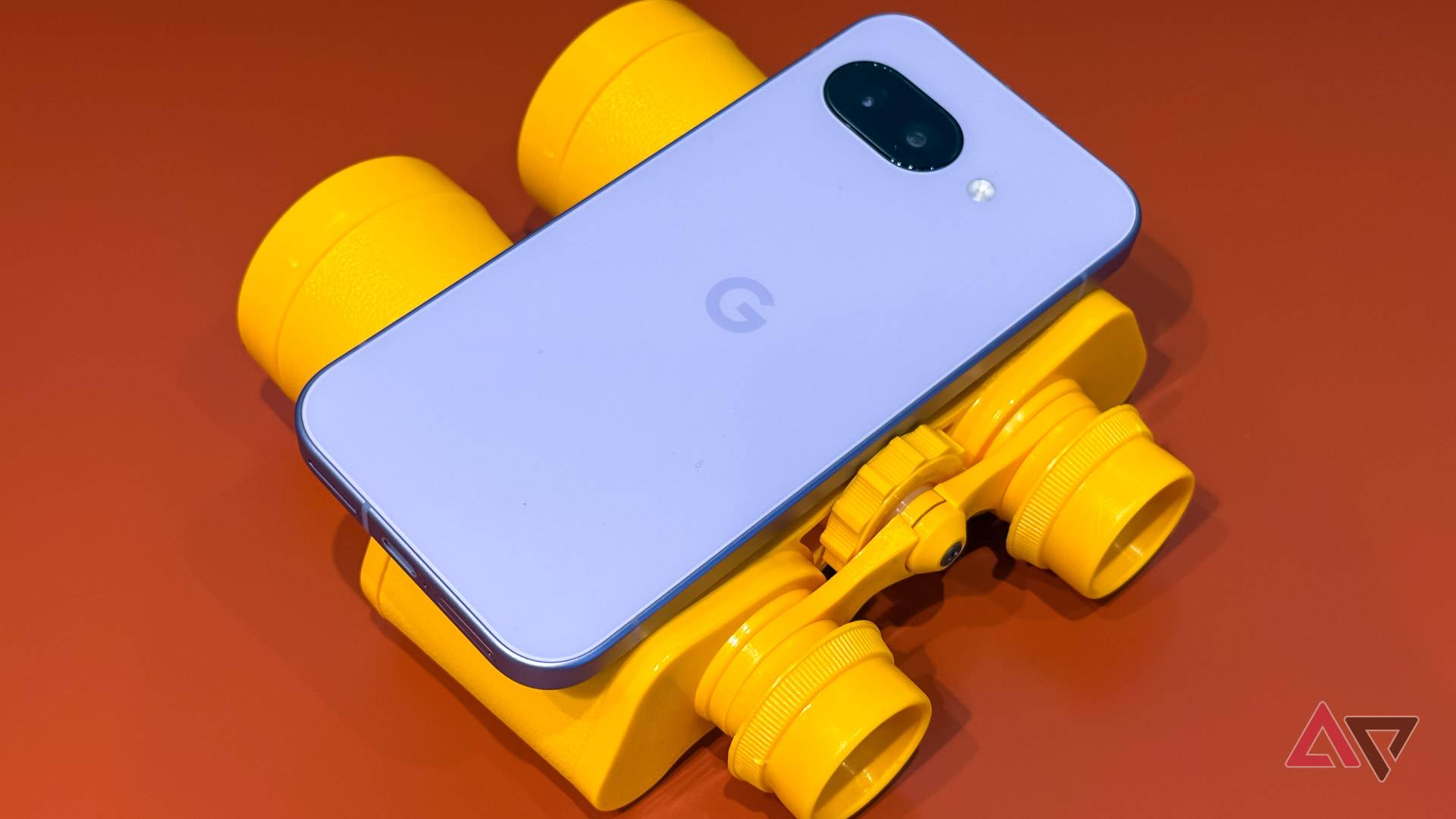
This is the question that matters most. The Pixel 9 starts around $699, putting a $200 gap between it and the 9a. After six months of community feedback, user reviews, and real-world comparisons, the answer is surprisingly clear — but it depends entirely on your use case.
What $200 more gets you on the Pixel 9: Gemini Nano XS (multimodal, always-on), Pixel Screenshots app, Call Notes, 12GB RAM, faster AI response times, and a more premium build with slightly better camera hardware.
What’s identical on both: Gemini Live, Magic Editor, Best Take, Circle to Search, Audio Magic Eraser, Add Me, Call Screen suite, Pixel Studio, Clear Calling, Google Recorder summarization, and the same Tensor G4 processor.
If you’re a business user who takes frequent calls and relies on screenshot organization, the Pixel 9’s exclusive features directly impact your daily workflow. The always-on AI model also means faster response times across the board, which compounds over hundreds of daily interactions.
But if your primary AI usage revolves around photo editing, search, and conversational AI — which describes the majority of smartphone users — the Pixel 9a delivers roughly 90% of the experience at 70% of the cost. The missing 10% is real, but it’s not the 10% most people would notice.
The Bottom Line: Strategic Compromise Done Right
The Google Pixel 9a AI features represent a calculated trade-off, and six months of real-world use suggests Google made the right calls. By keeping the high-impact, daily-use AI features intact while cutting the power-user tools that require more RAM and multimodal processing, Google created a budget phone that doesn’t feel like a compromise for most people.
At $499, with Tensor G4, IP68, 7 years of updates, and 12 AI features that work exactly as advertised, the Pixel 9a stands alone in its price bracket. No other manufacturer is shipping on-device AI of this caliber at this price point — not Samsung, not Apple, not anyone else. The Gemini Nano XXS model has limitations, yes. But it also represents something more significant: the moment on-device AI stopped being a flagship exclusive and became accessible to mainstream buyers.
For anyone who wants AI-powered smartphone features without flagship pricing, the Pixel 9a remains the most rational choice on the market heading into late 2025. The question isn’t whether it’s a good phone — it clearly is. The question is whether Google can close the XXS-to-XS gap in the next generation without raising the price.
From choosing the right AI smartphone to optimizing your tech workflow — if you need tech consulting, let’s talk.
Get weekly AI, music, and tech trends delivered to your inbox.