SSL 2+ MkII Review: 120dB Dynamic Range and Legacy 4K in a $299 Desktop Interface
October 15, 2025
GitHub Copilot Agent Mode: The AI That Autonomously Writes Your Pull Requests
October 16, 2025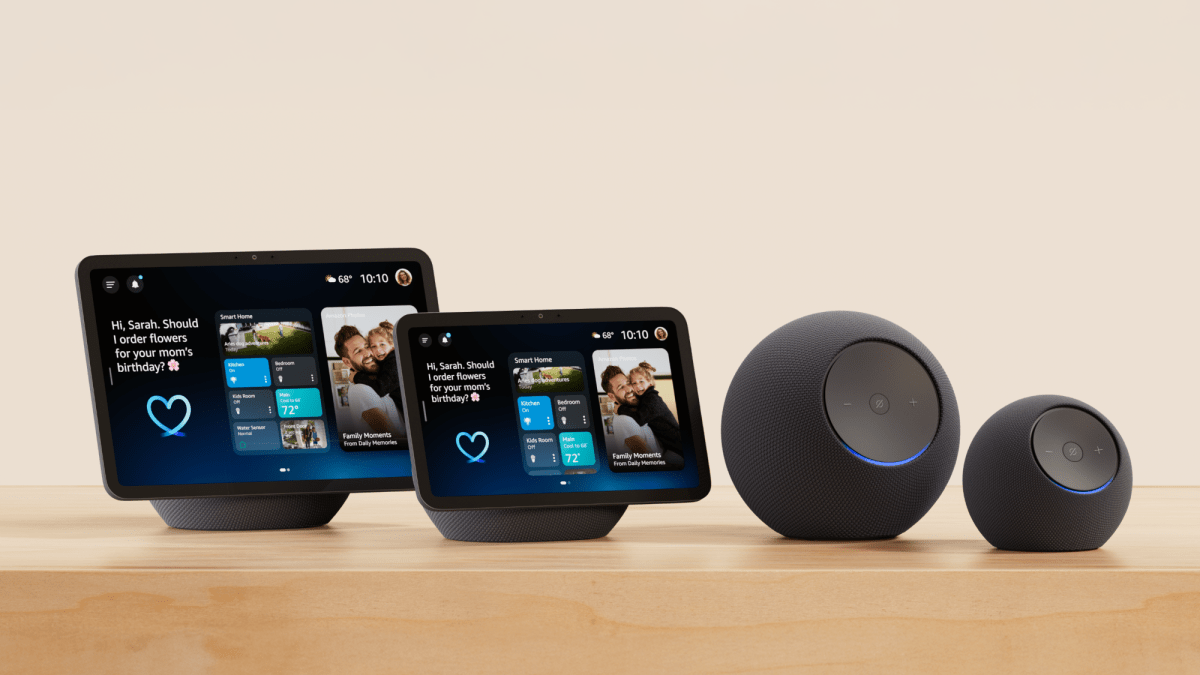
Two weeks ago, Amazon dropped four new Echo devices with a completely redesigned Alexa+ engine. Last week, Google’s Home chief went on The Vergecast and called the smart display “the ultimate form factor” for Gemini. If you’re shopping for the best smart displays in October 2025, the timing couldn’t be more chaotic — or more exciting.
I’ve been living with both ecosystems for years — Alexa running my studio monitors and lighting, Google Assistant handling calendar queries and YouTube playback. This comparison isn’t theoretical. It’s based on what actually matters when you’re elbow-deep in a recipe, trying to check a doorbell camera, or asking your display to play lo-fi beats at 2 AM.
The Amazon Echo Show Lineup: Fresh Hardware, Fresh AI
Amazon’s September 30 event was a hardware blitz. The new Echo Show 8 (4th Gen) at $179.99 and the brand-new Echo Show 11 at $219.99 both run the custom AZ3 Pro chip — Amazon’s first silicon designed specifically for on-device AI processing. The older Echo Show 15 ($249–$299) remains the wall-mount king with its 15.6-inch Full HD panel.
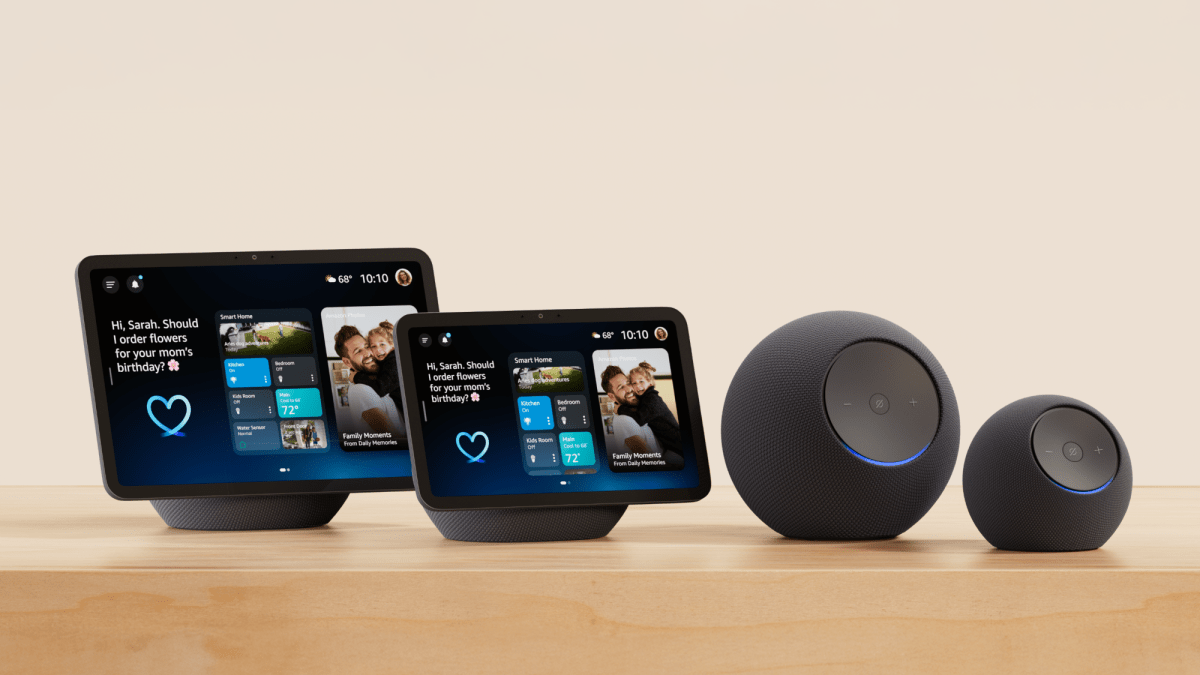
The Echo Show 8 ditches the old wedge shape for a floating thin display mounted on a spheroid base. It’s genuinely attractive furniture now, not just a gadget. The 8.7-inch HD screen is paired with stereo speakers and a 2.8-inch custom woofer delivering double the bass of the previous generation. A 13-megapixel camera with auto-framing handles video calls — though the removal of the physical camera shutter is a privacy trade-off worth noting.
The Echo Show 11 is the middle child that Amazon never had. At 11 inches Full HD, it offers 60% more viewing area than the Show 8 without committing to the Show 15’s wall-mount lifestyle. It includes Omnisense, Amazon’s custom ambient sensor platform that lets Alexa detect who walks into a room, remind you about an open garage door before bed, and transition the display from photo frame to interactive hub as you approach.
Echo Show 15: Still the Wall-Mount Champion
Don’t overlook the Echo Show 15 ($249–$299) if you have wall space. Its 15.6-inch Full HD panel doubles as a digital bulletin board with customizable widgets — family calendar, sticky notes, smart home controls, and rotating photo frames. It runs Fire TV OS, giving it direct access to Prime Video, Netflix, and Hulu in a way the smaller Shows can’t match. With the AZ3 chip (not Pro), it still gets Alexa+ but misses the Omnisense ambient sensing. For a kitchen or hallway installation, nothing else in the market comes close to this form factor.
Alexa+ vs Gemini for Home: The AI Battle That Actually Matters
The best smart displays October 2025 aren’t just about screens and speakers anymore — they’re about which AI brain is sitting behind the glass.
Alexa+ is Amazon’s generative AI upgrade, free for Prime members ($19.99/month otherwise). The headline feature: multi-turn conversations without repeating the wake word. Ask about tomorrow’s weather, follow up with “what about Saturday,” then add milk to the shopping list — all in one natural flow. The upcoming Alexa+ Store integrates GrubHub, Lyft, Fandango, and Priceline directly into voice commands. With a Ring subscription, you can ask “Did someone take out the garbage bins?” and get an AI-analyzed summary of camera footage.
Gemini for Home started its US rollout in early October 2025. It brings Google’s conversational AI to the Nest Hub 2nd Gen, Nest Hub Max, Nest Audio, and Nest Mini. The free tier handles natural language smart home controls, media playback, and follow-up questions. Gemini Live — the fluid, interrupt-and-redirect conversation mode — requires a Google Home Premium subscription at $10/month ($100/year).
Here’s the honest truth: Google Assistant has always been better at understanding natural speech. But Alexa+ is closing that gap fast, and its Prime-included pricing is aggressive. If you’re already paying $14.99/month for Prime, Alexa+ is essentially free. Getting the full Gemini Live experience adds another $10/month on top.
Google Nest Hub in October 2025: Aging Hardware, Fresh Software
Google’s smart display situation is complicated. The Nest Hub 2nd Gen (~$99) launched in 2021. Four years is an eternity in tech hardware. It has a 7-inch display, no camera (a privacy feature some love), and a Soli radar chip for sleep tracking. The Nest Hub Max (~$229) offers a 10-inch 1280×800 screen with a built-in Nest Cam for video calling and home security.
On October 7, Google Home chief Anish Kattukaran told The Vergecast that Google is “definitely committed to smart displays” and will “have news to share there soon.” He called the smart display combo of mic, speaker, and screen “an incredible form factor” for Gemini. Translation: a new Nest Hub is coming, but not yet.
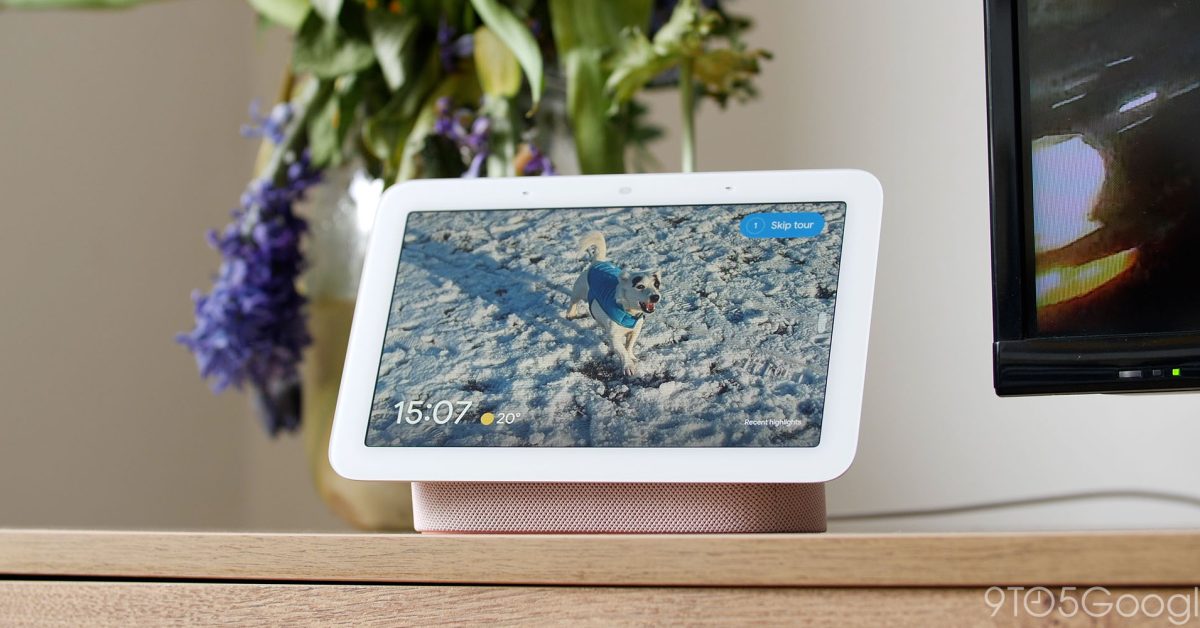
So right now, you’re looking at 2021 hardware running 2025 AI. The Gemini for Home upgrade genuinely transforms what the Nest Hub can do — conversational queries are smoother, smart home control is more intuitive, and the Google ecosystem integration (Photos, Calendar, YouTube, Maps) remains unmatched. But the display resolution, speaker quality, and processing speed can’t compete with Amazon’s new silicon.
Head-to-Head: 7 Categories That Decide Your Purchase
1. Display Quality
Winner: Amazon. Echo Show 11 (Full HD, 11″) and Show 15 (Full HD, 15.6″) crush the Nest Hub Max (1280×800, 10″). The new Show 8’s 8.7-inch panel also outclasses the Nest Hub 2nd Gen’s 7-inch screen. Amazon offers three size tiers (8.7″, 11″, 15.6″); Google has two (7″, 10″).
2. Audio Quality
Winner: Amazon. The Echo Show 8’s dedicated woofer and stereo setup deliver double the bass of its predecessor. The Nest Hub Max sounds decent for its size, but the Nest Hub 2nd Gen is underwhelming. For studio or music-focused use, the Echo Show lineup is clearly ahead.
3. AI Assistant Intelligence
Winner: Tie (with caveats). Gemini is more naturally conversational and Google’s knowledge graph is deeper. Alexa+ brings multi-turn conversations and practical integrations (GrubHub, Lyft, Ring). If you value raw knowledge: Google. If you value action-oriented commands: Amazon.
4. Smart Home Ecosystem
Winner: Amazon. The Echo Show includes a built-in Zigbee hub, compatible with a larger range of smart home devices. Amazon’s Matter support is robust, and the Omnisense ambient sensor adds proactive automation. Google’s Thread/Matter support is solid but the device compatibility list is shorter.
5. Privacy
Winner: Google (Nest Hub 2nd Gen). No camera at all — the ultimate privacy feature. The Nest Hub Max has a camera but with a physical shutter. Amazon’s new Echo Show 8 removed the physical camera shutter, relying on software toggle only. If privacy matters, the cameraless Nest Hub is hard to beat.
6. Video & Streaming
Winner: Google. Native YouTube, Netflix, Disney+ access. The Nest Hub Max’s Chromecast integration makes it a natural media hub. Echo Show devices can access YouTube via browser and have Prime Video, but the native app experience isn’t as polished.
7. Value for Money
Winner: Google (budget) / Amazon (mid-range). The Nest Hub 2nd Gen at ~$99 is the cheapest entry into smart displays. But at $179.99–$219.99, the new Echo Show 8 and 11 offer dramatically better hardware for the price. The Nest Hub Max at $229 is tough to recommend against the $219.99 Echo Show 11 with newer everything.
What About Apple? The HomePod Display That Isn’t Here Yet
Apple’s smart display absence is the elephant in every smart home conversation. As of October 2025, Apple offers the HomePod and HomePod mini — excellent speakers with Siri, but no screens. Persistent rumors suggest an Apple smart display is in development, potentially combining an iPad-like screen with HomePod audio and Apple Intelligence. But it’s not here yet, and if Apple’s pricing follows their hardware tier — expect $300+ minimum. For now, the best smart displays in October 2025 are strictly a two-horse race between Amazon and Google.
The Verdict: Who Should Buy What in October 2025
Buy the Amazon Echo Show 8 ($179.99) if: You want the best all-around smart display at its size. New design, great audio, Alexa+ included with Prime, solid smart home hub. The best value pick for most people right now.
Buy the Amazon Echo Show 11 ($219.99) if: You want a larger screen without wall-mounting. Omnisense ambient sensing is genuinely useful. Wait for its November 12 shipping date.
Buy the Google Nest Hub 2nd Gen (~$99) if: Privacy is your top priority, budget is tight, or you’re deep in the Google ecosystem. Sleep tracking is a unique bonus. The Gemini for Home upgrade makes the software experience competitive despite aging hardware.
Wait if: You want a Google-powered smart display with modern hardware. Kattukaran’s Vergecast teaser strongly suggests a new Nest Hub is coming. If you can hold out a few months, Google’s next move could change this entire comparison.
The best smart displays in October 2025 tell a clear story: Amazon has the hardware momentum, Google has the AI pedigree. Your kitchen counter will be well-served by either ecosystem — but right now, Amazon’s fresh lineup makes it the safer bet for anyone ready to buy today.
Get weekly AI, music, and tech trends delivered to your inbox.