How to Build a Mastering Chain: From EQ to Limiter — Complete 7-Step Guide
November 27, 2025
Open Source AI November 2025 Roundup: 5 Models That Just Changed Everything
November 28, 2025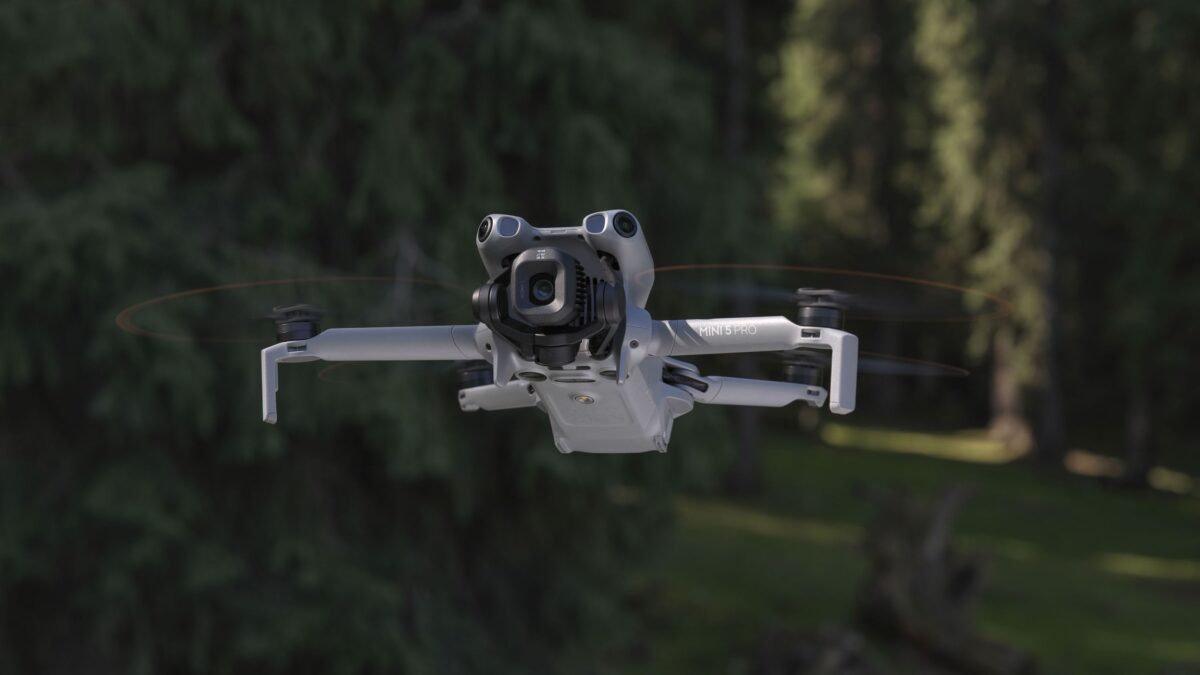
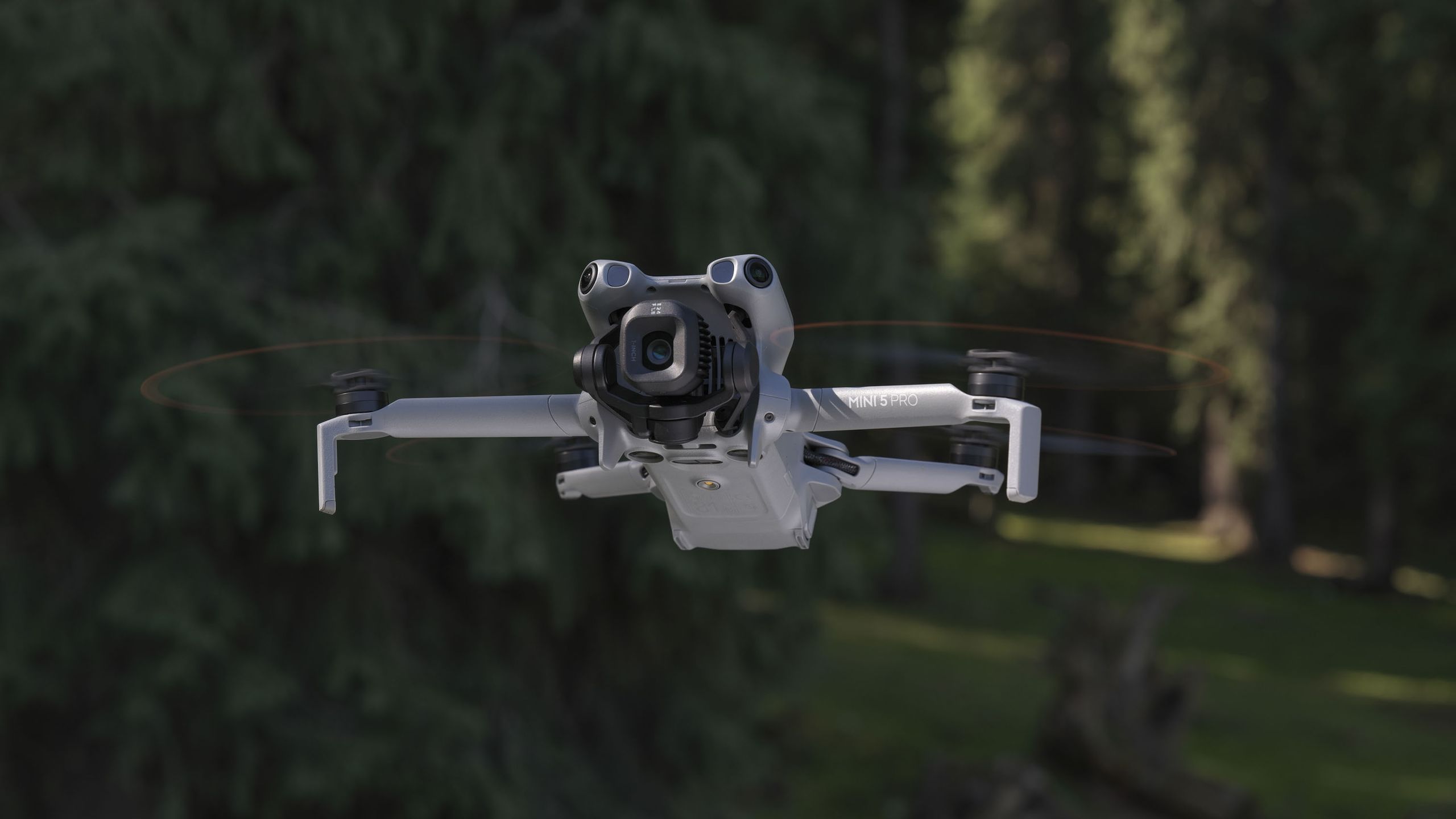
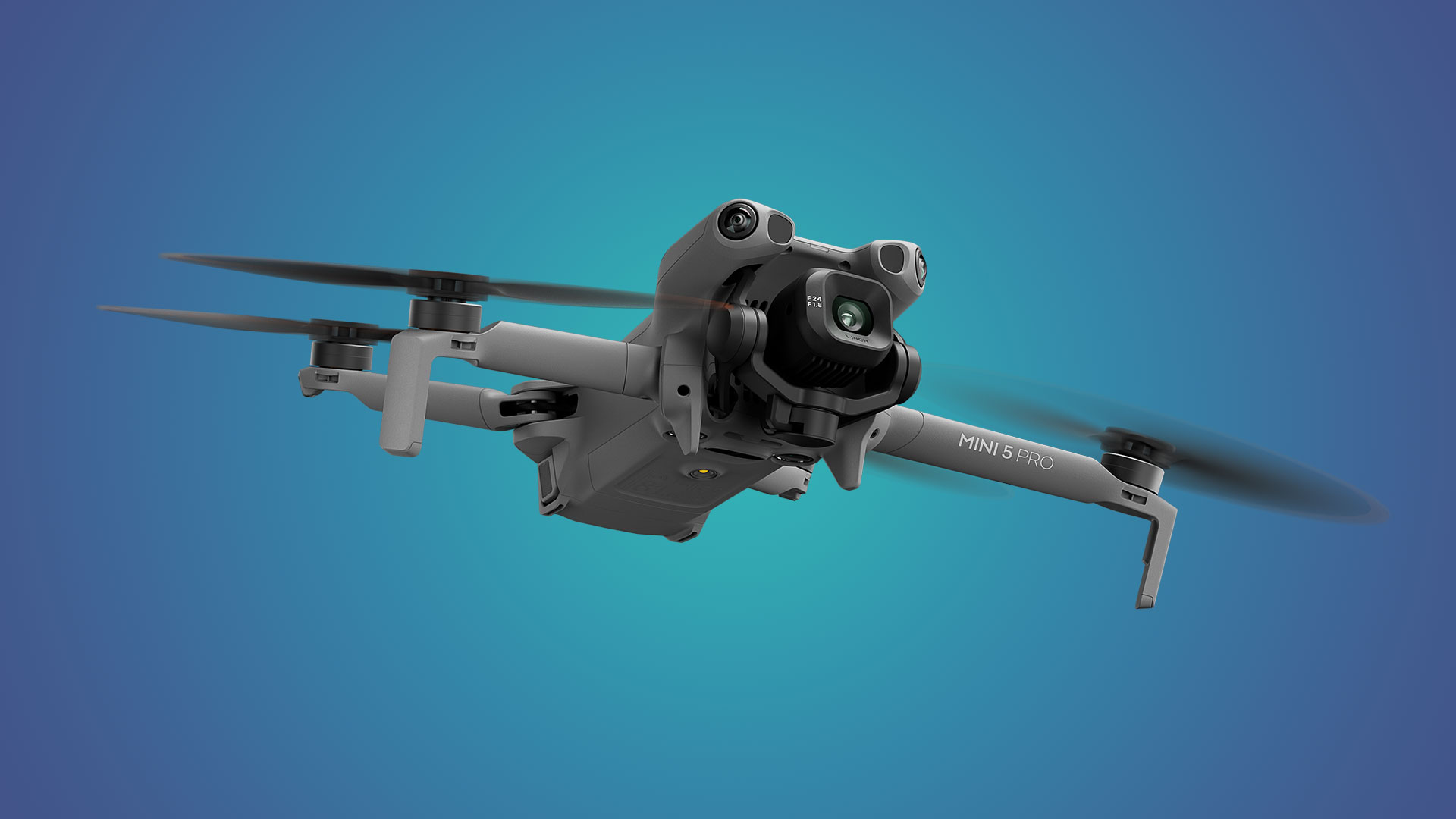
249.9 grams. That’s all it takes to carry a 1-inch sensor, 4K120fps video, and LiDAR obstacle sensing into the sky. When DJI unveiled the Mini 5 Pro in September 2025, they didn’t just iterate on the Mini 4 Pro — they rewrote what’s physically possible in the sub-250g drone category.
After two months of real-world flying, the verdict is clear: the DJI Mini 5 Pro is the most capable ultralight drone ever made. And with Black Friday deals bringing the Fly More Combo down to $1,099, now might be the best time to pull the trigger. Here’s everything you need to know.
DJI Mini 5 Pro Specs: What’s Inside 249.9 Grams
The headline feature is the 1-inch type CMOS sensor — the same class found in DJI’s larger Air 3S, now crammed into a palm-sized frame weighing exactly 249.9g. That’s significant because in most countries, drones under 250g don’t require registration, making the Mini 5 Pro the most powerful “fly-anywhere” drone available.
Here’s how the specs stack up:
- Sensor: 1-inch type CMOS, 50MP, f/1.7 aperture
- Video: 4K/120fps 10-bit D-Log M, 4K/60fps HDR, 14-stop dynamic range
- Photo: 50MP stills with RAW support
- Gimbal: 225° rotation with horizontal tilt for native vertical video
- Flight Time: 36 minutes (standard), 52 minutes (extended battery)
- Obstacle Sensing: Nightscape Omnidirectional — forward LiDAR + 6 vision sensors, works in just 1 lux
- Tracking: ActiveTrack 360° subject tracking
- Transmission: O4 video, 20km max range
- Wind Resistance: Level 5 (12 m/s / 26.8 mph)
- Weight: 249.9g (sub-250g compliant)
4K120fps Slow-Motion: The Game-Changer for Content Creators
Let’s talk about what makes the DJI Mini 5 Pro genuinely special. The 4K/120fps recording mode produces buttery-smooth slow-motion footage that was previously only possible with drones twice this size and weight. Combined with the 10-bit D-Log M color profile and 14 stops of dynamic range, colorists and filmmakers get raw material that holds up beautifully in post-production.
The 4K/60fps HDR mode is equally impressive for everyday shooting. DJI’s HDR processing has matured significantly — highlights don’t clip, shadows retain detail, and the overall image has a cinematic quality that belies this drone’s tiny form factor.
For social media creators, the 225° gimbal rotation is a revelation. You can shoot native 9:16 vertical video without cropping from 16:9, which means full resolution for Instagram Reels, TikTok, and YouTube Shorts. The Mini 4 Pro’s 180° gimbal couldn’t achieve this — DJI borrowed the horizontal tilt technology from the Mavic 4 Pro and miniaturized it.
D-Log M and 10-Bit Color: Post-Production Flexibility
The 10-bit D-Log M color profile deserves special attention. While 8-bit recording produces 16.7 million colors, 10-bit jumps to over a billion — a 64x increase that eliminates color banding in gradients like sunsets and skies. For content creators who color grade their footage, this is transformative. You can push exposure, shift white balance, and adjust saturation without the ugly artifacts that plague 8-bit recordings.
The 14-stop dynamic range means the DJI Mini 5 Pro captures detail in both bright clouds and shadowed valleys simultaneously. Compared to the Mini 4 Pro’s 12.7 stops, that extra 1.3 stops is clearly visible in high-contrast scenes — think sunset flights over city skylines or golden hour beach passes where the sun is partially in frame.
DJI Mini 5 Pro vs Mini 4 Pro: Worth the Upgrade?
If you’re flying a Mini 4 Pro, here’s exactly what changes:
- Sensor: 1-inch vs 1/1.3-inch — noticeably better low-light and dynamic range
- Video: 4K/120fps vs 4K/100fps — true slow-motion capability
- Gimbal: 225° vs 180° — native vertical video support
- Flight Time: 36 vs 34 minutes — modest improvement
- Obstacle Sensing: LiDAR + vision vs vision-only — dramatically better night flying
- Wind Resistance: 12 m/s vs 10.7 m/s — more confident in windy conditions
- Dynamic Range: 14 stops vs 12.7 stops — better highlight/shadow recovery
The biggest upgrades are the 1-inch sensor and LiDAR obstacle sensing. If you shoot in challenging lighting conditions or fly at dusk and dawn, the Mini 5 Pro is a substantial step forward. The sensor upgrade alone delivers roughly 1.5 stops more light-gathering capability.
LiDAR Night Flying: Safety You Can Actually Trust
DJI’s Nightscape Omnidirectional Obstacle Sensing system combines forward-facing LiDAR with six vision sensors. This isn’t marketing fluff — the Mini 4 Pro’s vision-only system became unreliable below about 30 lux. The Mini 5 Pro’s LiDAR works down to 1 lux, which means you can fly with obstacle avoidance active during golden hour, blue hour, and even early twilight.
According to TechRadar’s review, this feature alone makes the Mini 5 Pro “the limit for what’s possible from a mini drone.” For professional operators who need to fly in variable conditions, the added safety margin is invaluable.
The ActiveTrack 360° system has also received meaningful upgrades. Subject recognition is faster and more reliable, with the algorithm maintaining lock through brief occlusions — if your subject walks behind a tree or under a bridge, the Mini 5 Pro predicts their path and reacquires tracking within seconds. Combined with the improved wind resistance of 12 m/s (up from 10.7 m/s on the Mini 4 Pro), this makes the Mini 5 Pro a genuinely capable tool for action sports and outdoor content creation.
O4 Transmission and Real-World Range
DJI’s O4 video transmission system provides a 20km maximum range with 1080p live feed at 60fps. In practical use, urban environments with interference typically yield 8-12km of reliable signal — still impressive for a sub-250g drone. The low-latency feed is critical for precise framing during cinematic shots, and the system maintains stability even when flying behind buildings or through tree canopies where older transmission protocols would drop out.
Black Friday 2025 Pricing: DJI Mini 5 Pro Deals
With the DJI Mini 5 Pro launching at $599 (RC-N3) / $799 (RC2) for the standard kit, Black Friday 2025 brings some notable savings. Here’s the current pricing landscape:
- Standard (RC-N3): ~$599 (limited discounts on base model)
- Standard (RC2): ~$799
- Fly More Combo (RC2): $1,099 — includes extra batteries, charging hub
- Fly More Combo Plus (RC2): $1,510 on Amazon (down from $1,658 — $148 off)
DJI typically offers 5-10% discounts on current-generation products during Black Friday, with deeper cuts on Fly More bundles. The Fly More Combo at $1,099 represents the best value — you get the RC2 controller with a built-in screen plus two additional batteries that extend your total flight time significantly.
The US Problem: Availability Restrictions
There’s one significant caveat: as reported by Fstoppers, the DJI Mini 5 Pro is not officially sold in the United States due to ongoing government restrictions on DJI products. US-based pilots can look at authorized international retailers, though warranty support may be limited.
For pilots outside the US — across Europe, Asia, Australia, and Canada — the Mini 5 Pro is readily available through DJI’s official store and authorized dealers.
For real estate and architectural photographers, the DJI Mini 5 Pro opens up possibilities that previously required larger, registered drones. The 50MP sensor captures enough detail for large-format prints and marketing materials, while the RAW support lets you fine-tune exposure and white balance in post. The vertical video capability via the 225° gimbal is particularly useful for creating property walkthrough content optimized for mobile platforms — a growing demand in the real estate market.
Travel photographers and vloggers will appreciate that the entire Fly More Combo fits in a small shoulder bag. The foldable design collapses to roughly the size of a smartphone, and the RC2 controller adds only modest bulk. Compare this to the DJI Air 3S or Mavic 4 Pro setups that require dedicated drone backpacks, and the convenience factor of the Mini 5 Pro becomes a genuine competitive advantage for creators who prioritize mobility.
Who Should Buy the DJI Mini 5 Pro?
The DJI Mini 5 Pro earns its 4.5/5 rating from reviewers for good reason. It’s the right choice if you’re a content creator who needs 4K120 slow-motion in a travel-friendly package, a real estate photographer who wants registration-free drone access, a hobbyist upgrading from the Mini 3 or Mini 4 Pro, or a filmmaker who needs 10-bit D-Log M footage from an ultralight platform.
The fixed f/1.7 aperture means you can’t control depth of field optically, and high-resolution 50MP stills can show slight softness at the edges. But these are minor tradeoffs for what is, without question, the most technologically ambitious sub-250g drone ever released. DJI has reached the physical limit of what’s possible at 249.9 grams — and it’s remarkable.
If you’re on a tighter budget, the Mini 4 Pro (now available at significant Black Friday discounts around $549 for the Fly More Combo) remains an excellent drone. But the jump to a 1-inch sensor, LiDAR sensing, and true 4K120fps is substantial enough that most serious content creators will find the upgrade justified — especially at Black Friday pricing.
Battery Considerations: Standard vs Plus
One detail that deserves attention: the Intelligent Flight Battery Plus extends flight time to an impressive 52 minutes, but it pushes the drone over 250g. This means you lose the registration-free benefit in countries with weight-based regulations. For most users, the standard battery’s 36 minutes is sufficient for a full shooting session — especially with the Fly More Combo’s three-battery setup giving you over 100 minutes of total flight time.
Get weekly AI, music, and tech trends — including drone and gear reviews — delivered to your inbox.
Get weekly AI, music, and tech trends delivered to your inbox.