AI Chip Landscape 2025: NVIDIA Dominance, AMD’s Surge, Intel’s Decline, and the Custom Silicon Revolution
October 14, 2025
Intel Core Ultra 300 Panther Lake Unveiled: 18A Process, Xe3 GPU, and 5 Reasons Arrow Lake’s Successor Changes Everything
October 14, 2025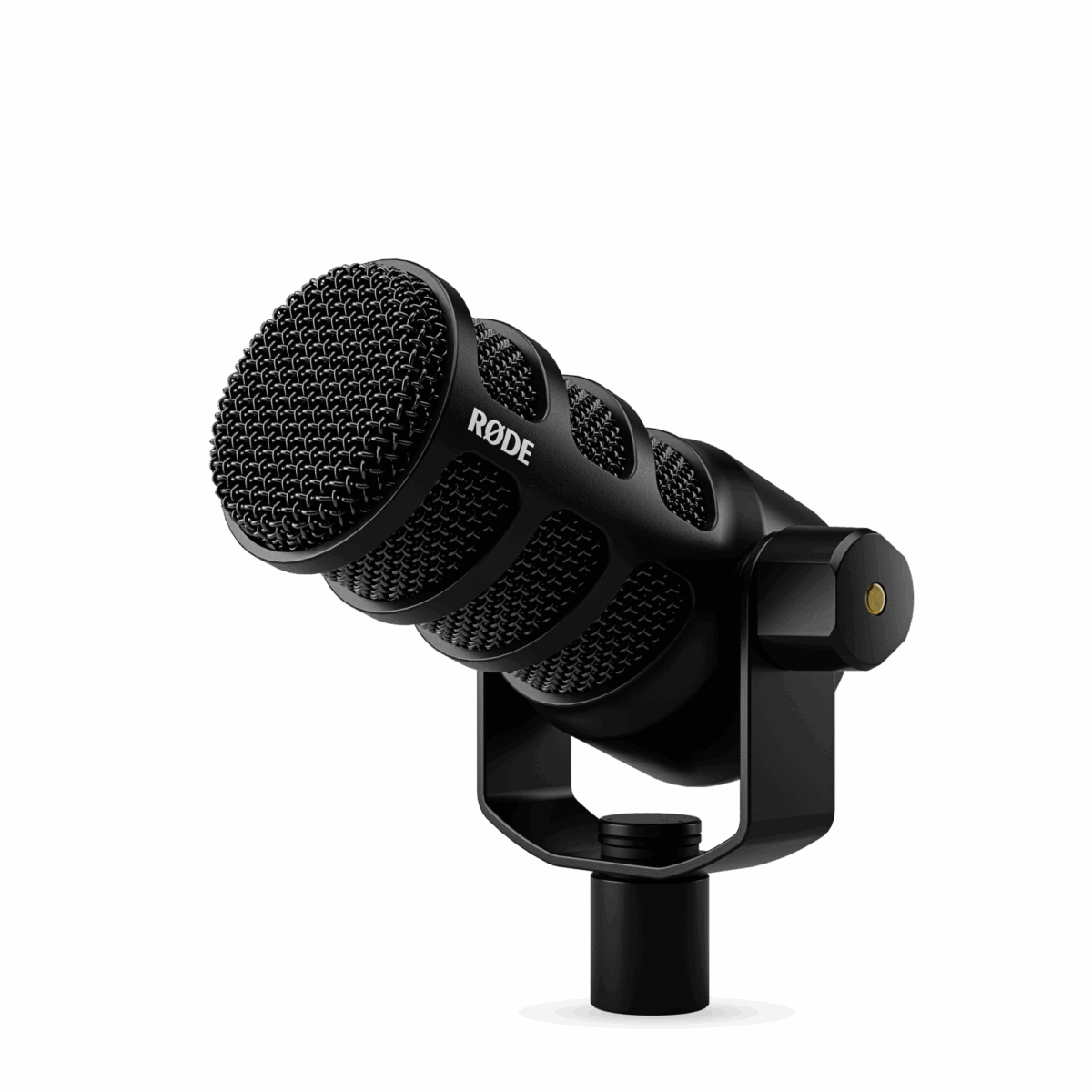
After 28 years behind mixing consoles and microphone preamps, I’ve developed a healthy skepticism toward USB microphones. They’re convenient, sure — but “broadcast quality”? That phrase gets thrown around too loosely. So when Rode released the PodMic USB at $209, promising both USB-C and XLR connectivity with built-in APHEX processing, I had to put it through a proper studio test. A month later, here’s the verdict: the Rode PodMic USB genuinely earned that broadcast-quality label.
Rode PodMic USB Specifications: What Makes This a Hybrid
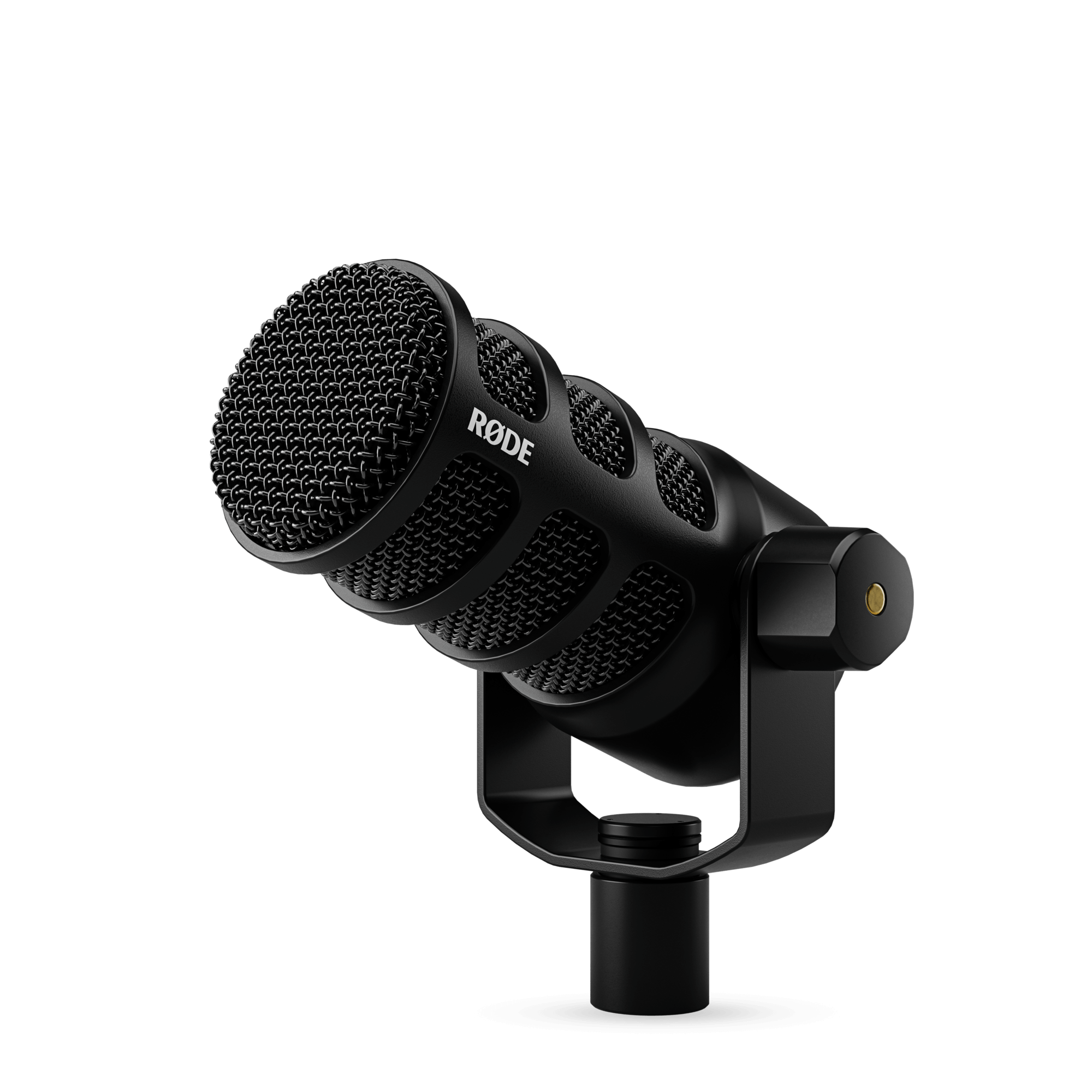
The Rode PodMic USB’s defining feature is its dual USB-C and XLR connectivity. This isn’t just a marketing bullet point — it fundamentally changes the upgrade path for podcasters. Start with USB plug-and-play simplicity, then transition to XLR when you invest in an audio interface. The catch? You can’t use both simultaneously. When USB is connected, the XLR port goes inactive.
Under the hood, you’re getting a high-power neodymium dynamic capsule with a cardioid polar pattern. The frequency response spans 20Hz to 20kHz, sensitivity sits at -57dB, and it handles up to 148dB SPL — more than enough for any vocal application. USB mode delivers 24-bit/48kHz resolution, and there’s a 3.5mm headphone jack for zero-latency monitoring with its own level control. You can check the complete specifications on the official Rode PodMic USB product page.
Built-in APHEX DSP: The Rode PodMic USB’s Secret Weapon
Let’s be honest — at this price point, finding a microphone with genuine APHEX processing built in is practically unheard of. The Rode PodMic USB packs an Aural Exciter, Big Bottom enhancer, compressor, noise gate, and high-pass filter directly into the microphone body. These are processing tools that traditionally required separate hardware or plugin chains.
What really impressed me was the VoxLab control system accessible through Rode Central software. Three intuitive parameters — Depth, Sparkle, and Presence — let you shape your tone without diving into complex signal processing menus. The real magic? Once configured, these settings are stored on the microphone itself. Unplug the software, move to a different computer, and your exact sound profile travels with the mic. For podcasters who need consistent tone across recording sessions, this alone justifies the price premium over competitors.
I spent considerable time A/B testing different VoxLab configurations against my traditional signal chain of a dedicated preamp into a channel strip plugin. The results were closer than I expected. The APHEX processing adds a warmth and presence that’s genuinely useful, not just a gimmick. For quick turnaround content like daily podcasts or livestreams, having this processing baked in saves significant post-production time.
Sound Quality Analysis: Warm, Full-Bodied, and Broadcast-Ready
The Rode PodMic USB delivers a sound signature that’s warm, full-bodied with controlled low end and a mid-forward character. Think classic radio voice — rich, present, and authoritative. The internal pop filter does an excellent job eliminating plosives, meaning you can skip the external pop filter without worrying about those distracting “p” and “b” pops ruining your takes.
In my direct comparisons between USB mode and XLR mode (running through a Focusrite Scarlett 4i4), the USB connection held its own remarkably well. The XLR output offers slightly more raw detail — as you’d expect when pairing with a quality preamp — but the USB mode’s built-in DSP effectively bridges that gap. For most podcasting and streaming applications, you’d be hard-pressed to hear a meaningful difference in the final output.
Where I did notice limitations was in extremely dynamic vocal performances. The fixed gain structure (there’s no on-mic gain control) means you need to manage your distance and projection carefully. Similarly, the lack of a mute button is a notable omission for live streaming scenarios where quick muting is essential. These aren’t dealbreakers, but they’re worth knowing about before you commit. Tom’s Hardware awarded it 4 out of 5 stars, noting similar observations about the excellent sound quality versus the minor ergonomic limitations.
The cardioid polar pattern deserves specific mention here. It does an excellent job rejecting sound from the sides and rear, which is critical for home studios and office environments that lack professional acoustic treatment. In my testing, common background noises like air conditioning hum, keyboard clicks, and ambient room noise were effectively minimized when maintaining proper mic distance (2-4 inches). Engaging the built-in high-pass filter further eliminates low-frequency rumble from desk vibrations or footsteps — a feature that’s especially valuable for podcasters recording in apartments or shared workspaces.
Rode PodMic USB vs Original PodMic: Is $110 More Worth It?
The original Rode PodMic remains one of the best XLR podcast microphones at $99. The PodMic USB adds USB-C connectivity, APHEX DSP processing, headphone monitoring, and an included windscreen for an additional $110. Whether that premium makes sense depends entirely on your current setup:
- No audio interface: The Rode PodMic USB is the clear winner. You’re effectively saving $100-300 on an interface purchase while gaining built-in DSP processing that most budget interfaces don’t offer.
- Already own an interface: Stick with the original PodMic. It shares the same capsule architecture, and you can replicate the DSP processing through software plugins in your DAW.
- Future-proofing: The PodMic USB’s dual connectivity gives you flexibility. Start with USB now, and when you eventually build out a multi-mic studio with an interface, the XLR port is ready.
Sound & Go’s detailed comparison breaks down the technical differences thoroughly if you want to dive deeper into the specifications. The bottom line is that neither mic is objectively “better” — they serve different use cases at different price points.
Build Quality and Daily Use: Tank-Like Durability
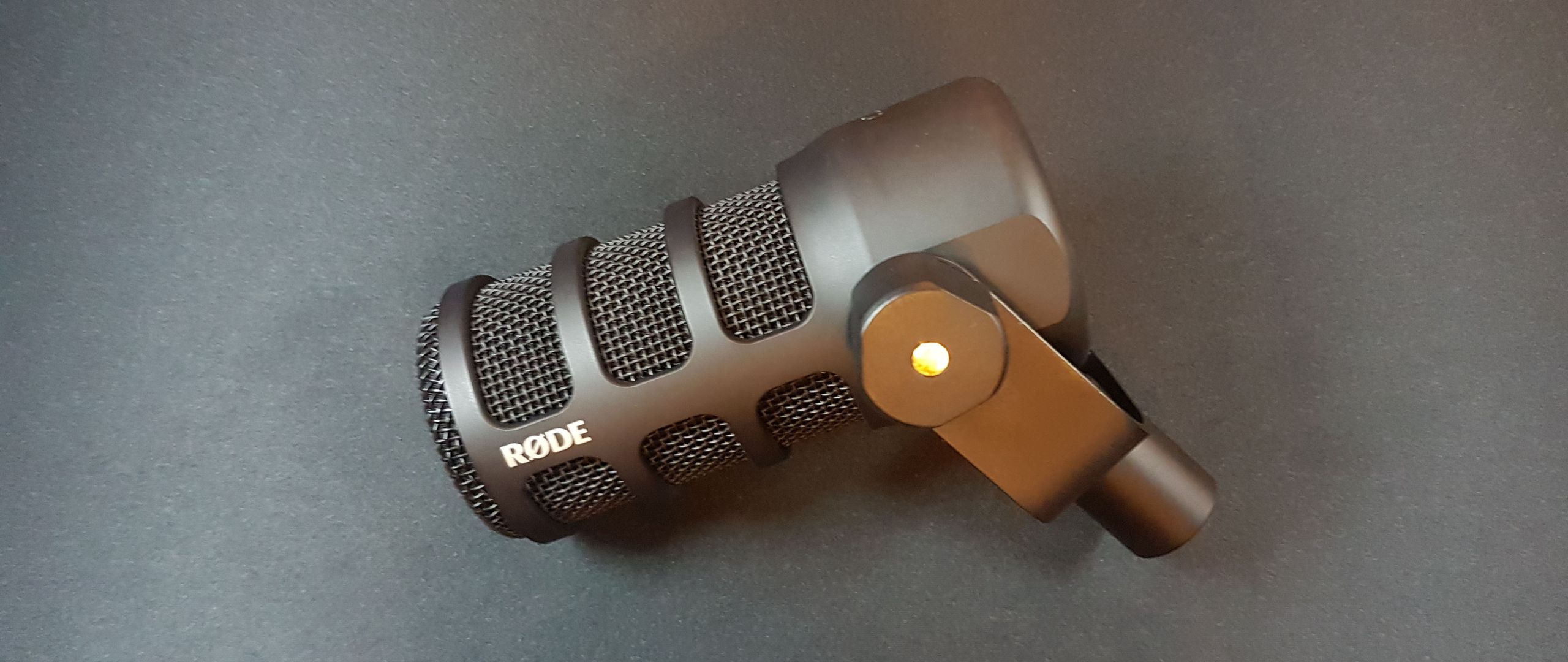
The first thing you notice when picking up the Rode PodMic USB is the weight. This is a solidly built, all-metal microphone with an internal shock mount that feels like it could survive being thrown across a studio (please don’t test this). It’s genuinely one of the most robust USB microphones I’ve ever handled, and the 5-year warranty from Rode backs up that confidence in build quality.
Available in black and white, the design is clean and professional. The USB-C port sits at the front, the XLR connector at the rear, and the headphone jack with its volume control underneath — all logically placed. Setup is pure plug-and-play: no drivers needed on Mac, Windows, or even most Linux distributions. Connect the USB-C cable, select it as your input device, and you’re recording within seconds.
One practical note: no stand or boom arm is included. Given the microphone’s weight and the optimal positioning for broadcast use (about 2-4 inches from your mouth, slightly off-axis), I’d strongly recommend pairing it with a proper boom arm like the Rode PSA1+ rather than a desk stand. The investment in proper mounting makes a noticeable difference in both comfort and sound quality during extended recording sessions.
Practical Use Cases: Where the Rode PodMic USB Excels
After testing the Rode PodMic USB across multiple production scenarios, certain use cases stand out as particularly well-suited. Solo podcasters benefit the most — the combination of USB simplicity, built-in processing, and broadcast-quality sound means you can go from unboxing to publishing your first episode in under an hour. No audio interface research, no driver installations, no gain staging headaches.
For streamers on Twitch or YouTube, the zero-latency headphone monitoring is a significant advantage. Being able to hear yourself in real-time without any perceptible delay makes for more natural on-stream conversation. The APHEX compression also helps maintain consistent volume levels during those moments when you get excited about a gameplay moment and suddenly get louder — your audience’s ears will thank you.
Voiceover artists and content creators working from home will appreciate the noise rejection capabilities. I recorded several voiceover sessions in my home office (not a treated studio), and the combination of the tight cardioid pattern and the noise gate produced remarkably clean results. For corporate training videos, YouTube narration, or audiobook demos, the Rode PodMic USB delivers professional results without requiring a professional recording environment.
Final Verdict: Who Should Buy the Rode PodMic USB?
After a month of daily use across podcasting, voiceover work, and livestreaming, the Rode PodMic USB has earned a permanent spot in my studio recommendation list. It’s not perfect — the lack of on-mic controls and the inability to use USB and XLR simultaneously are genuine limitations. But what it does well, it does exceptionally well: delivering broadcast-quality sound with zero setup complexity.
If you’re starting a podcast, building a streaming setup, or need a reliable voiceover microphone and don’t want to navigate the complexity of audio interfaces and preamps, the Rode PodMic USB at $209 is one of the smartest investments you can make. The built-in APHEX DSP, the upgrade path to XLR, and the tank-like build quality make it a mic you’ll use for years — not months.
From microphone selection to full studio setup and podcast workflow optimization — get expert guidance from 28 years of professional audio experience.
Get weekly AI, music, and tech trends delivered to your inbox.