AI Safety 2025 Year-End Report: From Anthropic’s C+ to the NY RAISE Act — Regulation, Alignment, and Industry Scorecard
December 24, 2025
AI Predictions 2026: 7 Industry Trends That Will Reshape Technology Next Year
December 25, 2025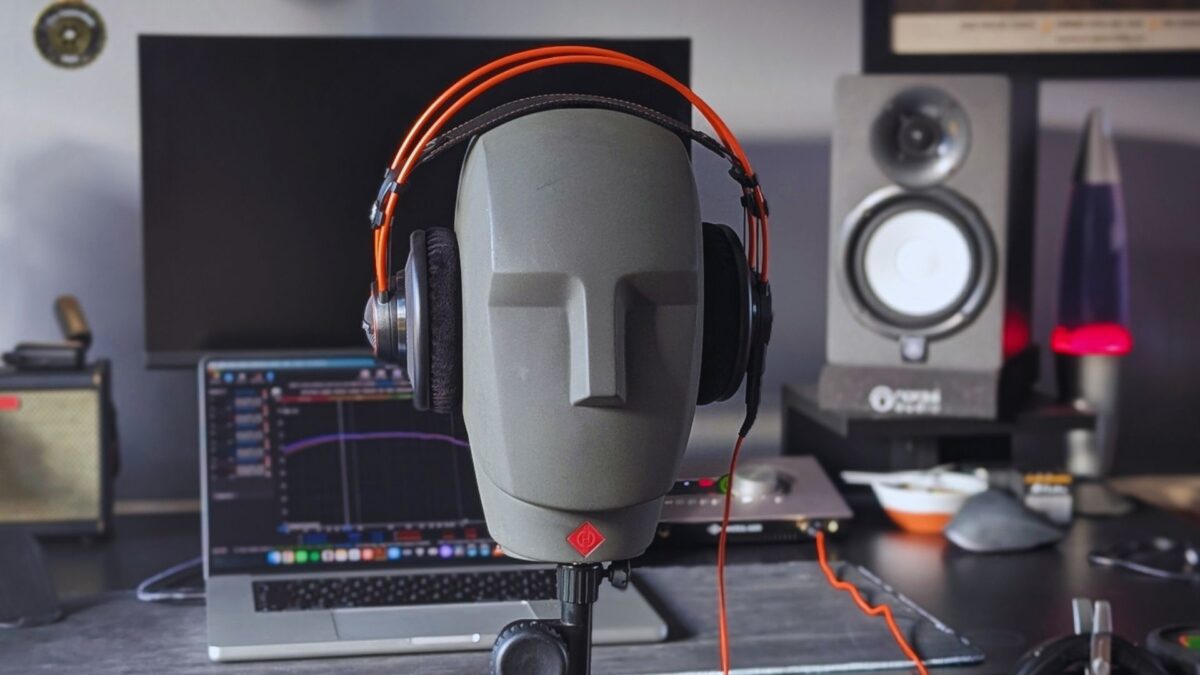
“Use closed-back for recording, open-back for mixing” — after 28 years in professional studios, I’ve heard this advice thousands of times. But is it really that simple anymore? In 2025, with the Sennheiser HD 490 Pro redefining what open-back headphones can do and the Beyerdynamic DT 770 Pro X pushing closed-back accuracy to new heights, this old formula deserves a serious update.
Closed-Back vs Open-Back: Understanding the Fundamental Difference
Before diving into specific models, let’s establish what actually separates these two designs — because this choice directly impacts the quality of every session you run.
Closed-back headphones feature sealed ear cups that block external sound. This makes them essential for recording sessions — your click track and backing tracks won’t bleed into the microphone. They deliver punchier bass and a more focused sound profile, though they can build up heat during extended sessions and offer a narrower soundstage compared to open-back designs.
Open-back headphones have vented ear cups that allow air to flow freely. This design produces a wide, natural soundstage that closely resembles studio monitor playback. They’re ideal for mixing and mastering, where judging frequency balance and spatial positioning is critical. The trade-off? Sound leaks both in and out, making them unusable for tracking sessions where mic bleed is a concern.
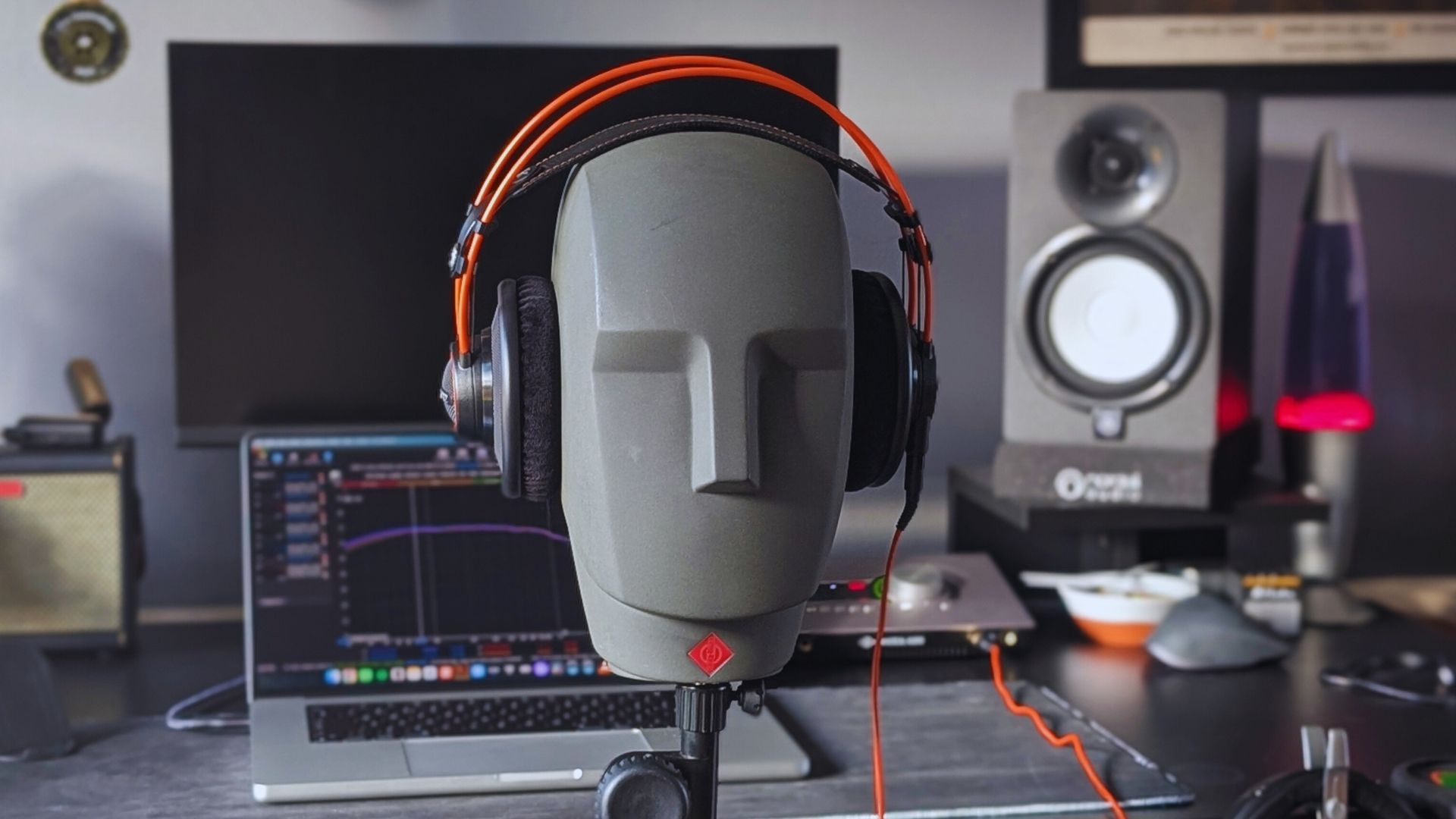
Top 5 Closed-Back Headphones for Music Production in 2025
1. Beyerdynamic DT 770 Pro X — The New Monitoring Standard ($199)
The DT 770 series has been a studio staple for decades, and the 2025 Pro X version raises the bar significantly. Equipped with new STELLAR.45 drivers, the low-end response has been dramatically improved over the original DT 770 Pro. At 48 ohms impedance, it drives easily from any audio interface without a dedicated headphone amplifier. For recording engineers who need reliable isolation with accurate monitoring, this is my first recommendation.
2. Audio-Technica ATH-M50x — The Timeless All-Rounder ($149)
The ATH-M50x remains the most recommended entry-level professional headphone for good reason. Balanced sound, tank-like build quality, and a foldable design make it equally at home in the studio and on the go. With a 15Hz–28kHz frequency response, it handles everything from beat-making to vocal tracking with confidence. At this price point, nothing else comes close to its versatility.
3. Shure SRH840A — The Critical Monitoring Specialist ($149)
The SRH840A features 40mm neodymium drivers delivering a precise frequency response with deep bass, detailed mids, and extended highs. If you’re looking for a closed-back headphone capable of mix-quality critical listening, this is arguably the best option in its price range. Professional studios worldwide rely on the SRH840A for reference monitoring and quality control tasks.
4. AKG K371 — The Budget Champion ($154)
Tuned to the Harman target curve, the K371 delivers a natural, accurate sound that punches well above its price. The foldable design with rotating ear cups and three included cables makes it perfect for traveling producers and DJs. While the low end is slightly emphasized, it’s the most honest-sounding closed-back you’ll find under $200.
5. Sony MDR-7506 — 40 Years of Industry Trust ($79)
Since 1991, the MDR-7506 has been the workhorse of broadcast studios, film sets, and recording sessions worldwide. It won’t wow you with its sound signature, but when you need accurate, consistent monitoring that you can trust session after session, nothing matches the 7506’s track record. If budget is your primary constraint, this is the answer.
Top 5 Open-Back Headphones for Mixing and Mastering in 2025
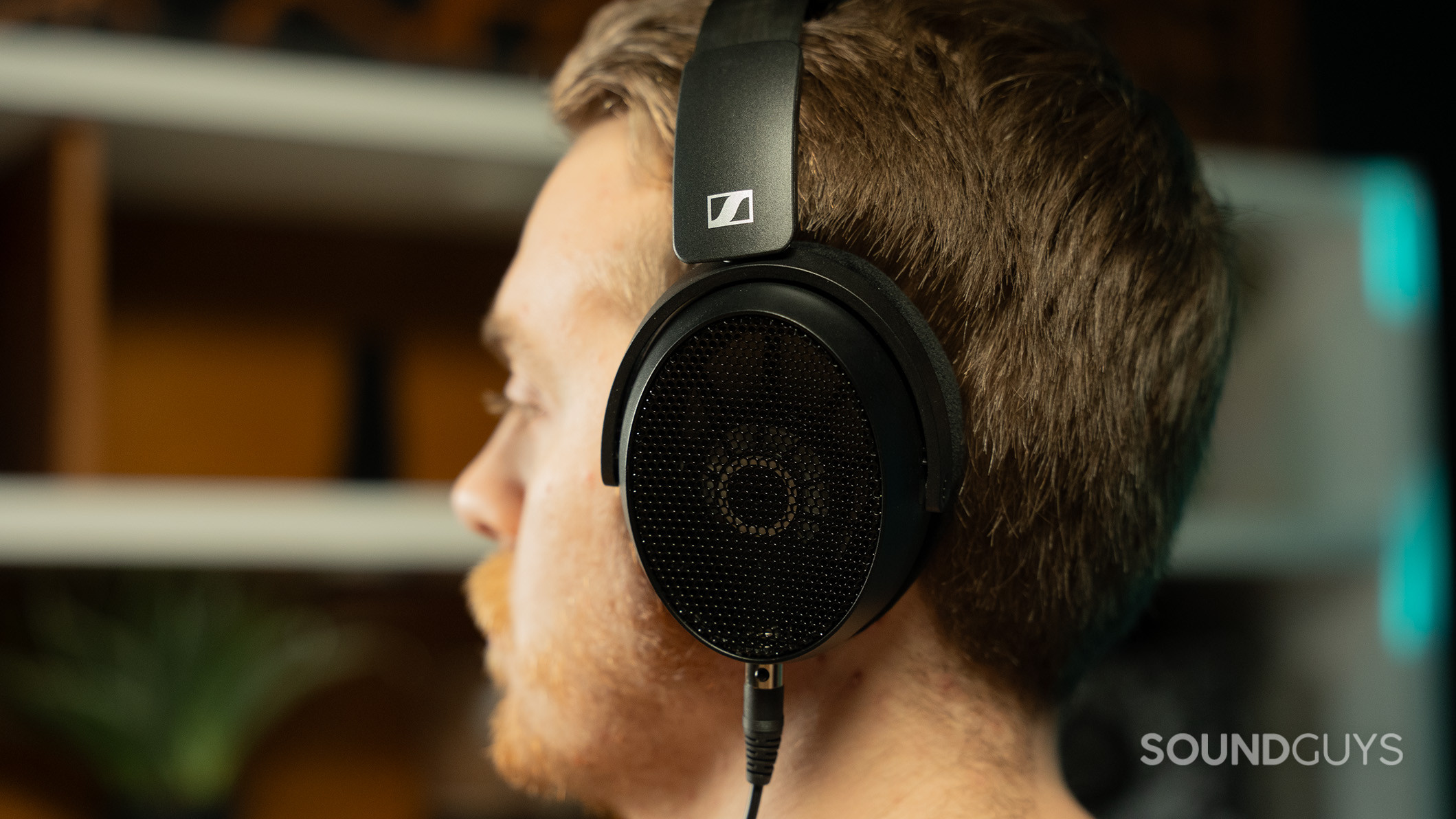
1. Sennheiser HD 490 Pro — 2025’s Game Changer ($399)
The HD 490 Pro is the standout studio headphone release of 2025. At just 260g, it’s remarkably lightweight. It ships with two swappable ear pad options (velour and fabric) and includes a dearVR MIX-SE plugin bundle — the value proposition at $399 is exceptional. Its neutral frequency response makes it equally capable for mixing, mastering, and monitoring, which is rare for any single headphone at this price point.
2. Sennheiser HD 600 — Two Decades of Unwavering Reference ($399, often discounted to ~$299)
The HD 600 is widely regarded as the “textbook studio headphone.” Its 300-ohm impedance demands a dedicated amplifier, but that higher impedance contributes to its refined, neutral sound signature. There’s a reason professional engineers have trusted it as their mixing reference for over 20 years. Keep an eye out for holiday season discounts — it frequently drops to $299, making it an even more compelling proposition.
3. Beyerdynamic DT 990 Pro — The Detail Revealer ($159)
With a 5Hz–35kHz frequency range, the DT 990 Pro excels at revealing instrument textures with remarkable precision. The high-frequency resolution is outstanding — reverb tails, cymbal shimmer, and subtle harmonic details that other headphones mask become clearly audible. Note that its brighter tuning makes it better suited for detail-checking during mixing rather than final mastering decisions.
4. Audio-Technica ATH-R70x — The Flagship Reference ($349)
Audio-Technica’s flagship open-back reference headphone delivers an ultra-neutral frequency response with exceptional spatial definition. Weighing just 210g, it’s one of the lightest professional headphones available, meaning marathon mixing sessions feel effortless. For engineers who regularly spend 8+ hours in the chair, the R70x is the comfort and accuracy combination that’s hard to beat.
5. AKG K712 Pro — Soundstage Excellence ($199–$249)
The K712 Pro delivers the widest soundstage in AKG’s open-back reference lineup. Its lightweight self-adjusting headband provides excellent comfort, and it particularly excels with genres that demand spatial depth — orchestral arrangements, ambient productions, and cinematic scoring. For checking panning decisions and depth placement during mixing, it’s a top-tier choice.
Which Headphone for Which Task? A Producer’s Cheat Sheet
Based on 28 years of studio experience, here are my optimal pairings for each production task:
- Vocal/Instrument Recording: Beyerdynamic DT 770 Pro X (best isolation, zero click-track bleed)
- Beat-Making/Producing: Audio-Technica ATH-M50x (balanced + punchy, portable)
- Mixing: Sennheiser HD 490 Pro (wide soundstage, neutral response)
- Mastering: Sennheiser HD 600 or ATH-R70x (extreme accuracy)
- Budget Setup: AKG K371 (closed) + Sony MDR-7506 (monitoring) combo for just $233
2025 Trends: The Lines Are Blurring
Here’s a shift worth noting. Models like Sennheiser’s HD 490 Pro are proving that open-back headphones can be versatile enough for nearly any studio task, while Beyerdynamic’s DT 770 Pro X demonstrates that closed-back designs can achieve mixing-grade accuracy. The old “closed for recording, open for mixing” rule is becoming increasingly outdated.
Additionally, planar magnetic technology from companies like Audeze — exemplified by the MM-100 — is making serious inroads into the professional market. These drivers offer transient response and low-distortion performance that traditional dynamic drivers simply can’t match. Expect this technology to become more mainstream heading into 2026.
The bottom line: don’t try to do everything with a single pair. Owning one closed-back and one open-back headphone is the smartest investment you can make. A DT 770 Pro X for recording and an HD 490 Pro for mixing — that combination gives you a professional monitoring setup for about $600. And with holiday sales in full swing, now is the perfect time to lock in better prices.
From choosing the right studio headphones to building your monitoring chain and professional mixing & mastering — Sean Kim brings 28 years of studio expertise to help you get it right.
Get weekly AI, music, and tech trends delivered to your inbox.