Ableton Live 12.2 Year in Review: 7 Features That Defined 2025 for Producers
December 12, 2025
DAW Market Share 2025: Pro Tools, Ableton, FL Studio, Logic Pro — The Full Breakdown
December 15, 2025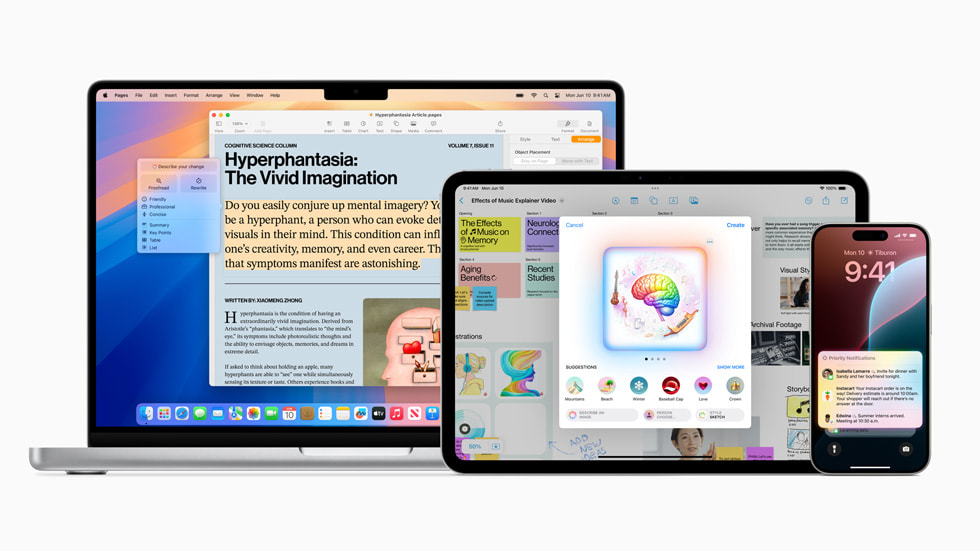
“A new era of AI begins.” When Tim Cook declared this at WWDC 2024 in June, the hype was real. Apple was finally going all-in on AI. Fast forward one year, and the Apple Intelligence review writes itself — in the most disappointing way possible. The flagship Siri overhaul that had everyone buzzing? Still missing. The features that did ship? Useful, sure, but a far cry from the generational leap Apple promised.
Let’s break down exactly what happened — and didn’t happen — with Apple Intelligence in its first year.
Apple Intelligence Review: The WWDC 2024 Promises
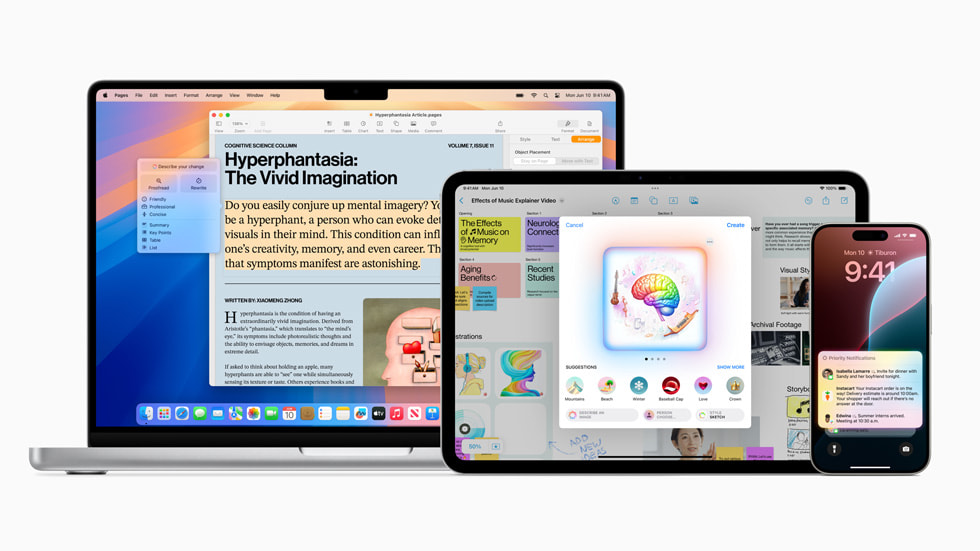
To understand the gap between expectation and reality, we need to revisit what Apple actually promised. At WWDC 2024, Apple Intelligence was presented as a four-pillar strategy for bringing AI to every Apple device.
Pillar 1: Writing Tools. System-wide AI writing assistance — rewrite, proofread, summarize, change tone. Available across Mail, Notes, Messages, and any text field.
Pillar 2: Image Generation. Image Playground for creating AI images from prompts, plus Genmoji for custom emoji generation.
Pillar 3: Notification Intelligence. AI-powered notification summaries that group and prioritize alerts so you see what matters.
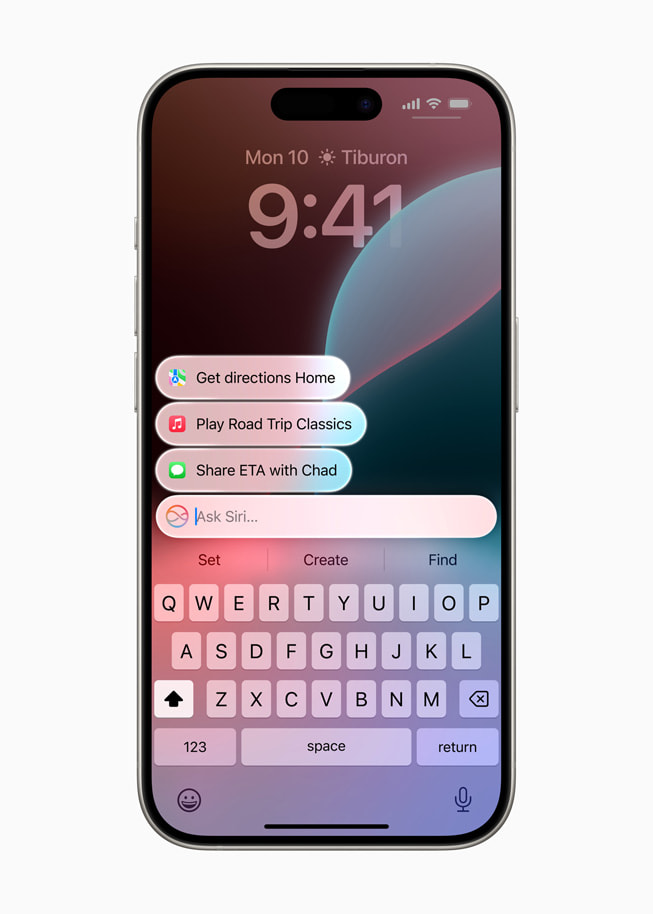
Pillar 4: The New Siri. This was the showstopper. A completely reimagined Siri with on-screen awareness, personal context understanding, in-app actions across third-party apps, and natural conversational ability. Apple even demoed Siri pulling information from emails and photos to answer complex, multi-step questions.
The message was clear: Apple was late to the AI party, but it was going to arrive with something polished, private, and deeply integrated. That was the promise. Now let’s look at the scorecard.
What Actually Shipped: The Apple Intelligence Features You Can Use Today
Credit where it’s due — Apple did deliver on some of its promises. Here’s what’s actually live and working as of December 2025.
Writing Tools are the clear winner. They work across the system, they’re genuinely useful, and they feel polished. Whether you’re cleaning up an email or summarizing a long note, Writing Tools deliver. This is Apple Intelligence at its best — invisible, helpful, and integrated into your workflow.
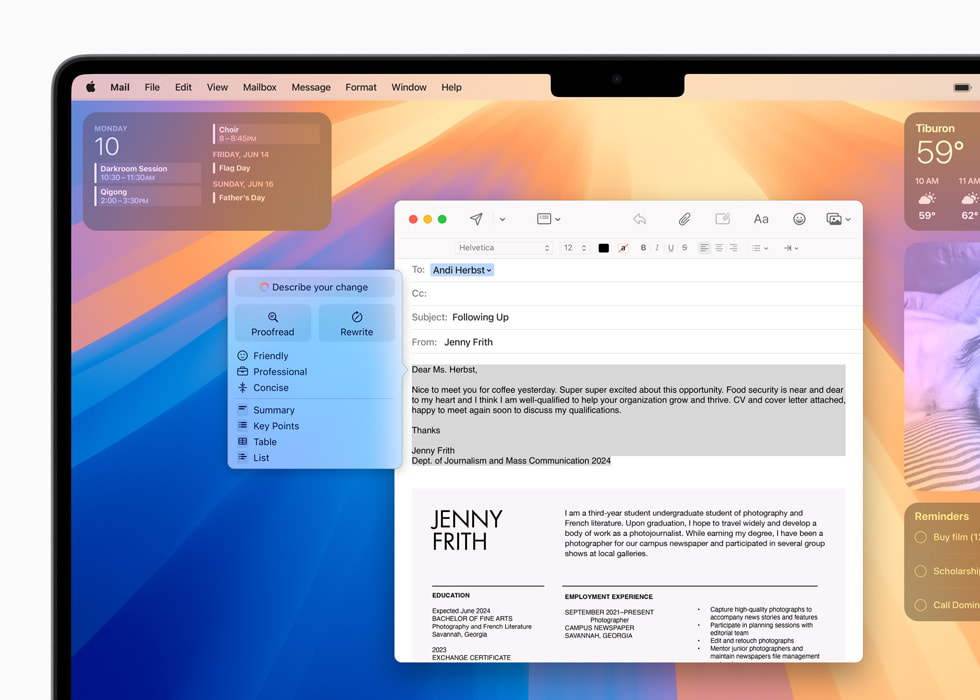
Image Playground shipped and works, though it’s more toy than tool. The generated images have a distinctive Apple aesthetic — clean, cartoon-like — but they’re nowhere near what Midjourney or DALL-E 3 can produce. It’s fun for Messages; it’s not replacing anyone’s creative workflow.
Genmoji is a delightful small feature. Create custom emoji from text prompts. It’s the kind of thing that makes you smile, even if it’s not exactly groundbreaking.
Notification Summaries work reasonably well, though they’ve drawn criticism for occasionally miscategorizing important alerts. When they work, they’re great. When they miss something urgent, you notice.
All of these are genuinely useful additions to iOS 18. But here’s the uncomfortable truth: they’re incremental improvements, not the paradigm shift Apple sold us on. They’re table stakes in a world where Google, Samsung, and OpenAI are shipping far more ambitious AI features.
Let’s put it in perspective. Writing Tools are probably the most successful piece of the Apple Intelligence rollout. The ability to highlight any text on your iPhone, iPad, or Mac and instantly get a rewrite, summary, or tone adjustment is the kind of seamless integration Apple does best. In daily use, it genuinely saves time — especially for email-heavy workflows. But this is table stakes. Google Docs has offered similar AI writing features since early 2024. Samsung’s Galaxy AI does on-device translation in real time during phone calls. The bar for “impressive AI feature” has moved well beyond text rewrites.
Notification Summaries, meanwhile, have had a rockier reception. The feature groups and summarizes notifications using on-device AI, which sounds great in theory. In practice, users have reported cases where breaking news alerts get summarized into misleading headlines, and group chat summaries sometimes miss critical context. Apple has pushed updates to improve accuracy, but the trust issue lingers — when an AI summary gets it wrong, you start checking every notification manually, which defeats the purpose.
What’s Still Missing: The Siri AI Upgrade That Never Came
This is where Apple’s credibility gap becomes impossible to ignore. The most important Apple Intelligence features — the ones that generated the most excitement at WWDC 2024 — are still not available.
- Personal Context: Siri was supposed to understand you — referencing your photos, messages, emails, and calendar to provide contextual answers. Not shipped.
- On-Screen Awareness: Siri was supposed to see what’s on your screen and respond intelligently. Not shipped.
- In-App Actions: Siri performing tasks inside third-party apps — like editing a photo in a specific app or booking through a restaurant app. Not shipped.
- Conversational Siri: Natural, multi-turn dialogue that makes Siri feel like a real assistant. Officially delayed to 2026.
- Google Gemini Integration: Apple demoed this partnership at WWDC. It never materialized.
According to CNBC’s reporting, Wedbush analyst Dan Ives said investors have “gotten enough gray hairs” waiting for Apple’s AI promises to materialize. He called 2026 a “make-or-break year” for Apple’s AI credibility. That’s Wall Street speak for “we’re running out of patience.”
Macworld’s year-end analysis was even more blunt, arguing that 2025 will be remembered not for what Apple delivered, but for what it didn’t. Hardware kept shipping on time. Software promises kept slipping. That asymmetry is becoming a pattern.
Apple AI vs Competitors: The Credibility Problem
Context matters here. While Apple has been delaying its AI flagship features, the competition hasn’t been standing still.
Google has deeply integrated Gemini into Android, offering on-device AI capabilities that look a lot like what Apple promised but hasn’t delivered. Samsung’s Galaxy AI suite — from real-time call translation to AI photo editing — ships on devices and actually works. OpenAI’s ChatGPT has become the default AI tool for hundreds of millions of users.
512 Pixels named Apple Intelligence a major “loser” in their 2025 winners-and-losers roundup. The concern isn’t just about delayed features — it’s about what those delays mean for Apple’s brand. Apple’s entire value proposition rests on “it just works.” When you promise AI features at a keynote and don’t deliver them for 18+ months, that brand promise takes a hit.
And then there’s the legal dimension. As 9to5Mac reported, Apple was hit with a federal lawsuit alleging false advertising over Apple Intelligence features. The claim? Apple marketed capabilities that weren’t actually available to consumers. A settlement was filed on December 18, 2025. When your marketing gets you sued, the gap between promise and delivery has become more than just a PR problem.
The Privacy Defense — and Why It’s Only Partly Convincing
Apple’s explanation for the delays centers on privacy. According to Fello AI’s analysis, Apple has been vetting every AI feature through its privacy framework, ensuring on-device processing via the Neural Engine and secure cloud processing through Private Cloud Compute. This takes time, and to Apple’s credit, it’s a legitimate differentiator.
But here’s the counterargument: Apple knew about these privacy requirements before it made the promises. If the privacy vetting process was going to take 18+ months, why announce the features as imminent at WWDC 2024? The privacy-first approach is admirable. The overpromising is not.
There’s also the question of whether privacy is the real bottleneck or a convenient narrative. Some industry observers suggest Apple’s on-device AI models simply aren’t competitive with cloud-based solutions from Google and OpenAI, and the company is buying time to close the gap.
The Verdict: Apple Intelligence Gets a C Grade
If we’re grading Apple Intelligence on a report card after one year, here’s how it shakes out:
- Writing Tools: A — Polished, useful, well-integrated.
- Image Playground / Genmoji: B- — Fun but underwhelming compared to competitors.
- Notification Summaries: B — Useful when accurate, frustrating when not.
- Siri Overhaul: F — Not delivered. Period.
- Overall Promise Delivery: C — The basics shipped; the headline features didn’t.
2026 is Apple’s shot at redemption. WWDC 2026 needs to show not just demos, but shipping dates — and then Apple needs to actually hit them. The company has burned through its credibility buffer on AI. Another year of delays, and the narrative shifts from “Apple is being careful” to “Apple can’t compete in AI.”
What makes this particularly frustrating for Apple users is the hardware side of the equation. The A17 Pro and M-series chips are genuinely impressive — the Neural Engine has the raw horsepower to run sophisticated AI models on-device. The iPhone 15 Pro and iPhone 16 lineup have the silicon. What they don’t have is the software to fully utilize it. It’s like buying a sports car and being told the engine will be unlocked via a future software update.
For consumers trying to decide between ecosystems right now, the calculus is straightforward: if AI features matter to you today, Apple isn’t the best choice. If you’re willing to bet on Apple’s track record of eventually getting things right — and you value the privacy-first approach — then holding on might pay off in 2026. But that’s a bet, not a guarantee.
The features that shipped are a solid foundation. But a foundation isn’t a house. And right now, Apple’s AI house is still very much under construction — with no clear move-in date.
Trying to figure out which AI tools actually deliver value for your business? Let’s cut through the hype together.
Get weekly AI, music, and tech trends delivered to your inbox.