NAMM 2026 Preview: Top 10 New Gear and Plugin Announcements to Watch
January 1, 2026
Roland NAMM 2026 Synth Lineup Preview — ZENOLOGY GX, Jupiter-X v3.0, AIRA Compact & More
January 2, 2026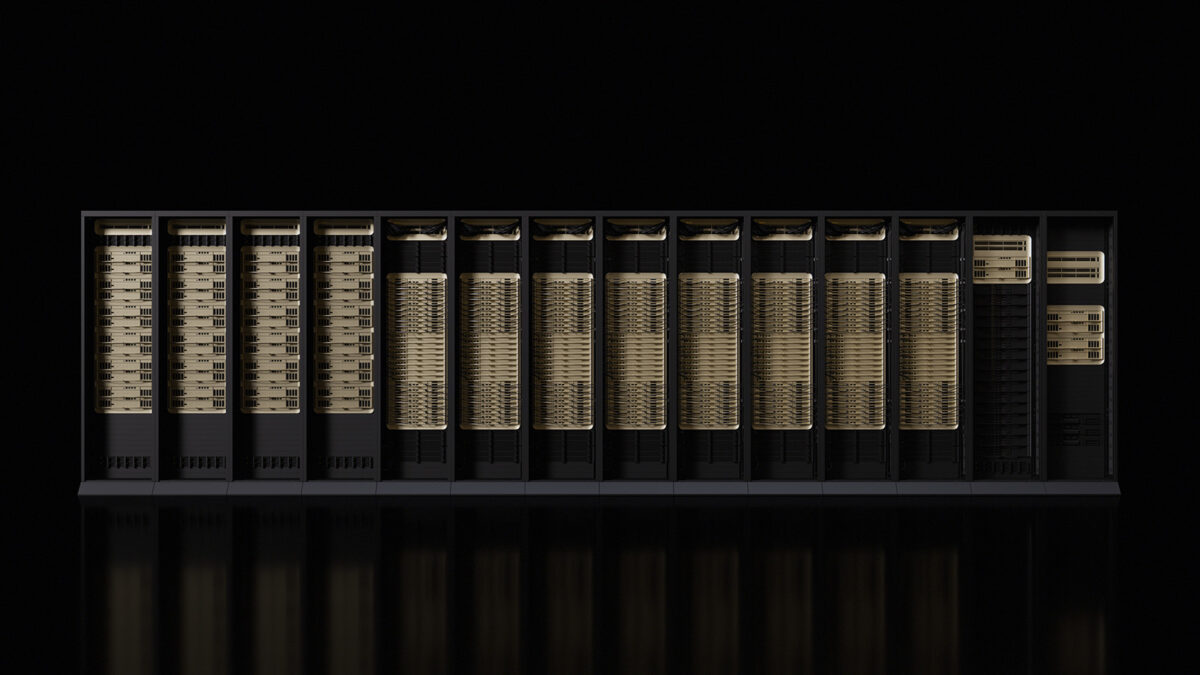
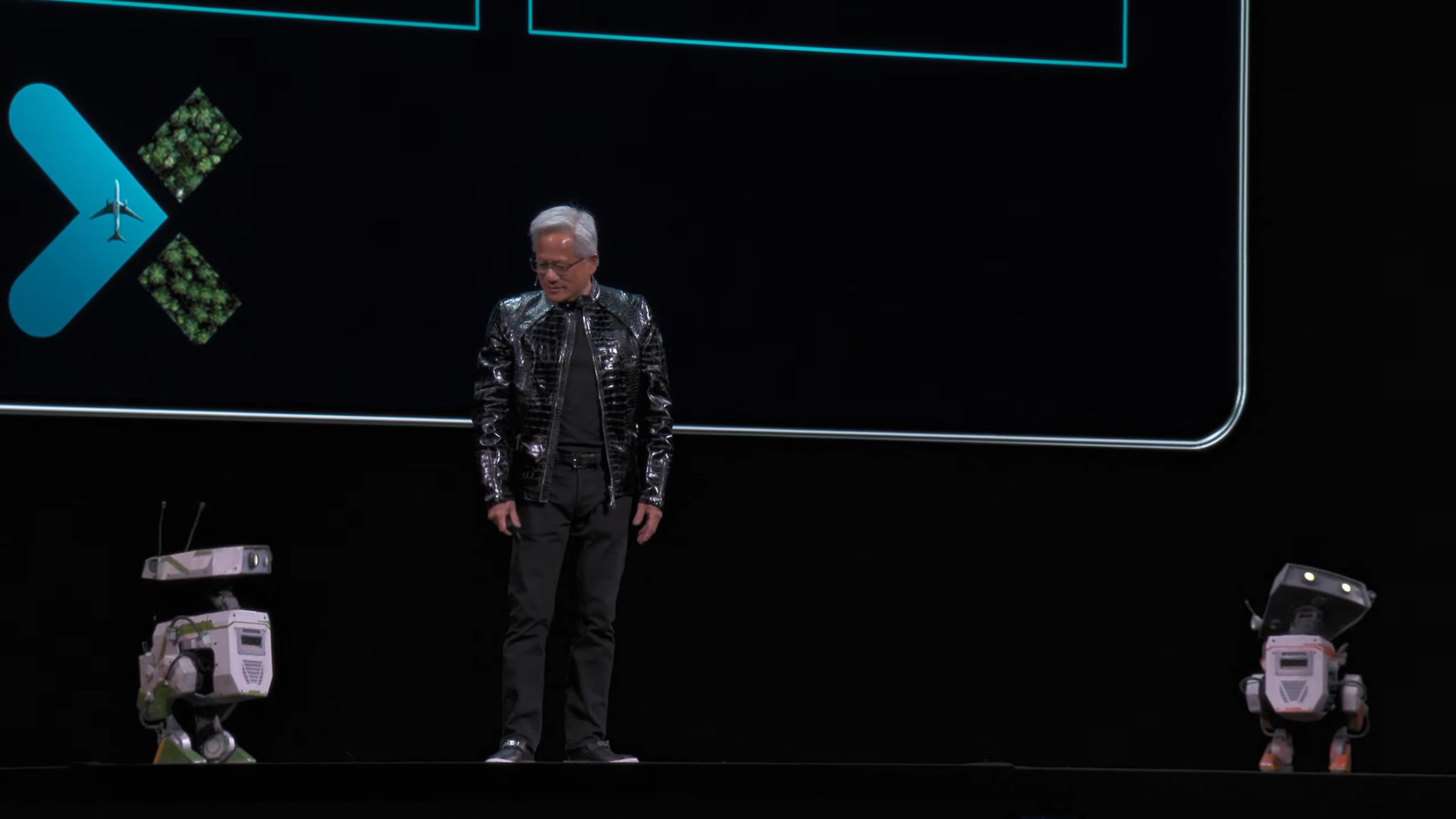
The NVIDIA CES 2026 keynote is just three days away, and the anticipation is electric. On January 5 at 4 PM ET, Jensen Huang will take the stage at the Fontainebleau hotel in Las Vegas for a 90-minute presentation that could reshape the AI hardware landscape for the rest of the decade. With NVIDIA’s market capitalization hovering around $4.6 trillion, every word the leather-jacket-clad CEO utters carries seismic weight across global markets.
NVIDIA CES 2026 Keynote: Schedule and How to Watch
Jensen Huang’s keynote is set for Monday, January 5, 2026, at 4:00 PM Eastern Time (1:00 PM PT / 9:00 PM GMT). The presentation will be livestreamed on NVIDIA’s official website and YouTube channel, and no pre-registration is required. According to Dataconomy’s viewing guide, you can tune in for free from anywhere in the world.
Beyond the keynote itself, NVIDIA has reserved a massive space at the Fontainebleau hotel for more than 20 live demos spanning AI, robotics, autonomous driving, and more. The CES floor will be buzzing with hands-on experiences throughout the week, but Monday’s keynote is where the headline announcements will drop.
Rubin GPU Architecture: The Next Frontier in AI Computing
If there is one announcement that analysts and investors are watching most closely, it is the Rubin GPU architecture. NVIDIA’s product cadence has been remarkably consistent: Hopper gave way to Blackwell, Blackwell Ultra is currently ramping production, and Rubin is widely expected to be the next-generation successor targeting the second half of 2026.
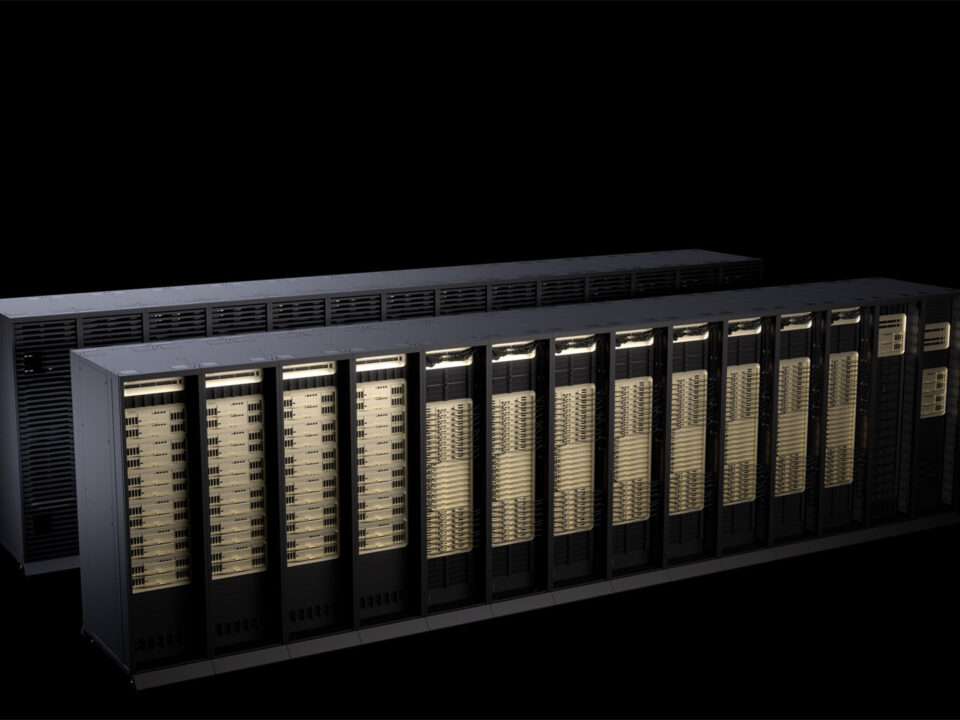
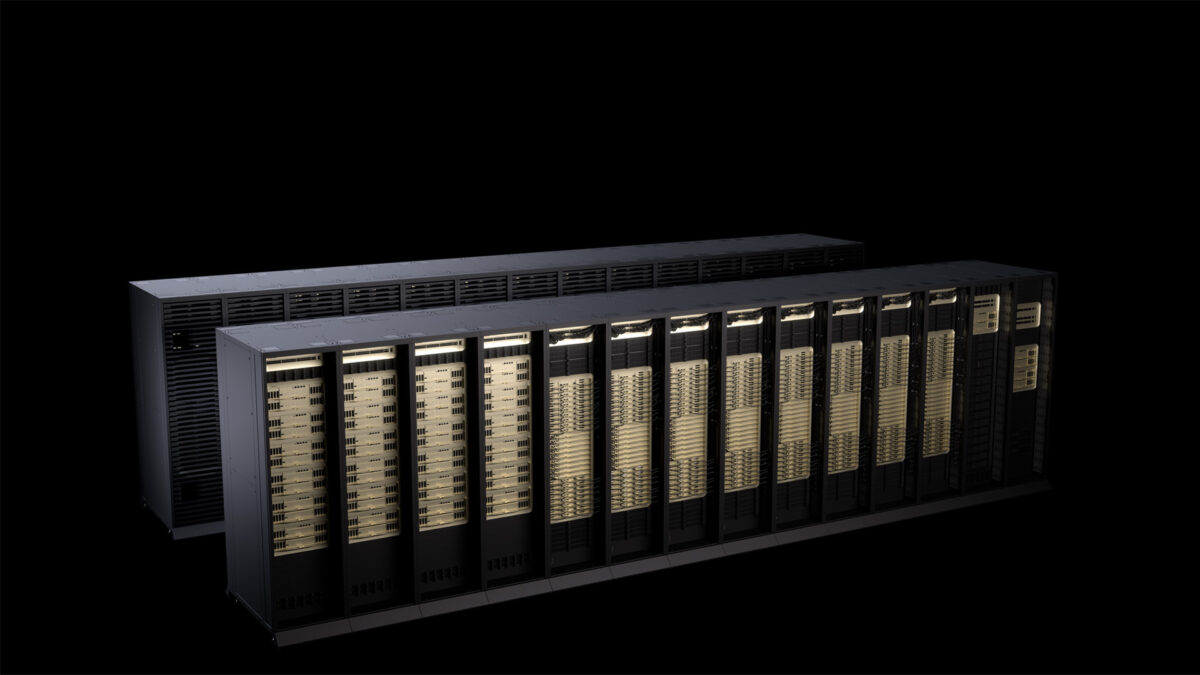
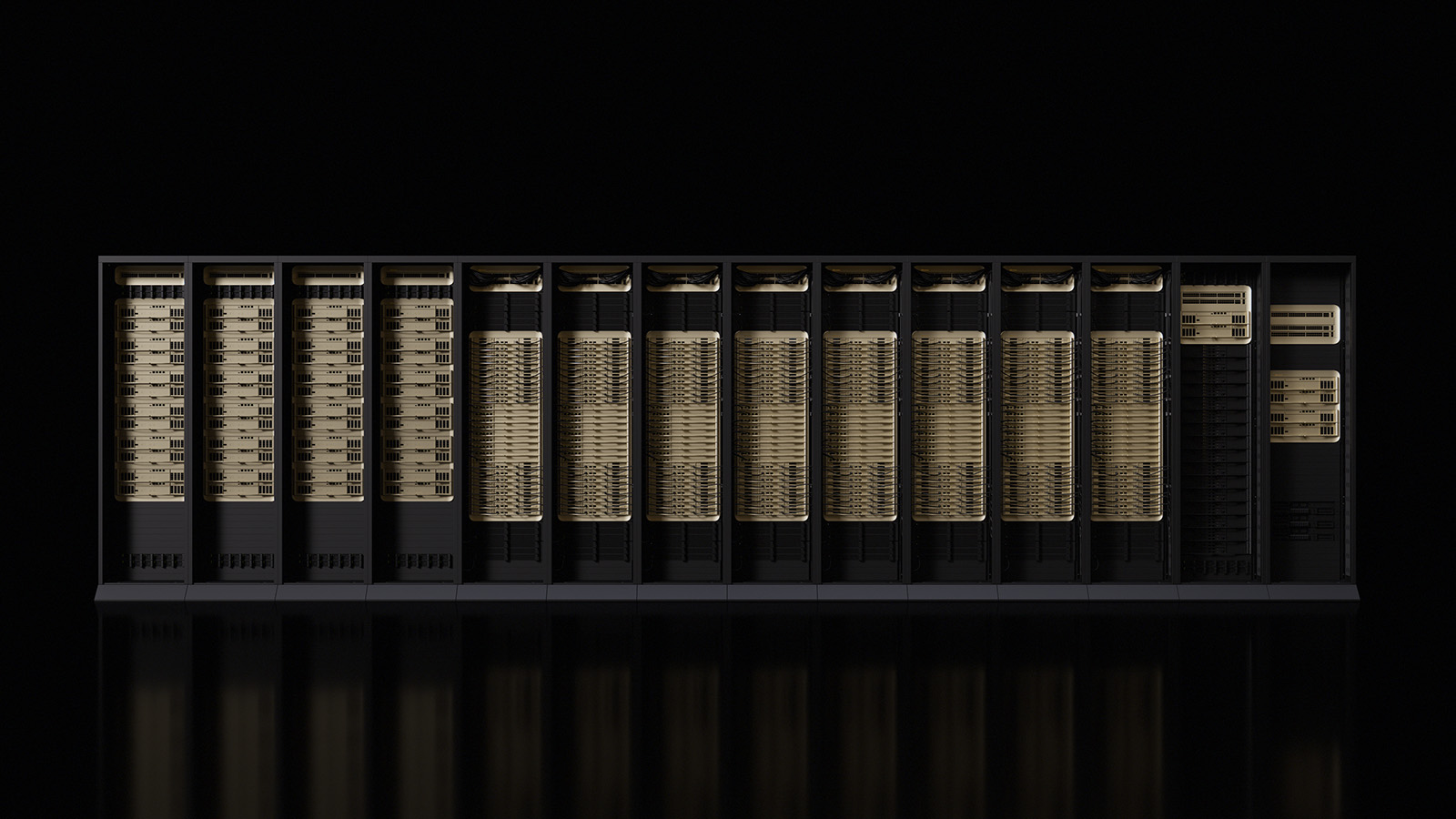
Industry leaks suggest that Rubin will bring a generational leap in AI training and inference throughput, with a particular emphasis on rack-scale cluster configurations. This means entire server racks functioning as a single, unified compute engine — a critical capability as AI models continue to balloon in parameter count and complexity. Jensen Huang has been vocal about NVIDIA’s annual architecture refresh cycle, and this CES keynote is the natural venue to unveil Rubin’s specifications and production timeline.
What makes the Rubin announcement especially significant is its positioning against growing competition. AMD’s MI-series accelerators, Intel’s Gaudi lineup, and a wave of custom silicon from hyperscalers like Google (TPUs), Amazon (Trainium), and Microsoft (Maia) are all vying for data center AI dollars. Rubin needs to demonstrate that NVIDIA’s lead is not just maintained but widened.
Vera CPU and the Full-Stack Data Center Play
NVIDIA’s ambitions extend well beyond the GPU. The Vera CPU, an ARM-based data center processor, represents the company’s push to own the entire compute stack. Pairing Rubin GPUs with Vera CPUs and next-generation NVLink interconnects would give NVIDIA an end-to-end solution for AI data centers — from CPU to GPU to networking fabric.
This full-stack approach mirrors what Apple has done in consumer electronics with its M-series chips: controlling both the processor and the accelerator allows for tighter integration, lower latency, and better power efficiency. For cloud providers building out AI infrastructure at enormous scale, an integrated NVIDIA solution could simplify procurement and reduce total cost of ownership.
The next-generation NVLink interconnect is another piece of this puzzle. Current NVLink technology already enables blazing-fast GPU-to-GPU communication, but the Rubin generation is expected to extend this to rack-level and potentially multi-rack configurations. Think of it as building a superhighway between thousands of GPUs, enabling them to collaborate on training runs for models with trillions of parameters.
Physical AI, Robotics, and Autonomous Driving
Jensen Huang has been championing the concept of “Physical AI” — the idea that artificial intelligence is breaking free from the digital realm and entering the physical world through robots, autonomous vehicles, and industrial digital twins. According to WCCFTech’s CES 2026 preview, this theme is expected to be a major segment of the keynote.
The Cosmos foundation model platform is a key enabler here. NVIDIA developed Cosmos to provide the underlying AI models that robots and autonomous systems need to perceive, understand, and interact with the physical world. We may see updates to Cosmos, new partnerships with robotics companies, or even live demonstrations of robots navigating complex environments in real time.
On the autonomous driving front, NVIDIA DRIVE has already been adopted by numerous automakers and tier-one suppliers. CES has historically been a prime venue for showcasing automotive partnerships, and this year should be no different. Expect to see updated self-driving demos, new vehicle platform announcements, and possibly an expansion of NVIDIA’s collaboration with ride-hailing and logistics companies.
The broader implication is clear: NVIDIA does not want to be seen merely as a chip company. It is positioning itself as the platform company for the age of AI — providing the silicon, the software, and the ecosystem that powers everything from chatbots to humanoid robots.
No RTX 50 SUPER? What Gamers Should Know
If you are a gamer hoping for an RTX 50 SUPER announcement, you may want to temper your expectations. Multiple industry sources indicate that GDDR7 memory supply constraints make a CES 2026 launch unlikely for the refreshed consumer GPU lineup. This stands in contrast to last year’s CES 2025, where Jensen Huang unveiled the RTX 5000 series and Project Digits (later rebranded as NVIDIA Spark).
That said, the absence of new consumer GPUs does not mean gamers will be completely left out. NVIDIA’s 20-plus demo stations at the Fontainebleau could feature DLSS updates, ray tracing improvements, or new gaming partnerships. And with the RTX 5090 and RTX 5080 already in the market, there is still plenty of cutting-edge hardware for enthusiasts to explore.
The reality is that NVIDIA’s revenue story has decisively shifted toward data centers, which now account for over 80 percent of total revenue. Jensen Huang’s keynote priorities will reflect that reality. Consumer GPUs remain important for brand visibility and the gaming ecosystem, but they are no longer the main event. You can check NVIDIA’s official CES page for the latest schedule and demo lineup.
Groq Collaboration and the AI Inference Ecosystem
One of the more intriguing rumors swirling ahead of the keynote involves a potential collaboration with Groq. Known for its Language Processing Unit (LPU), Groq has carved out a niche in ultra-fast AI inference. If NVIDIA and Groq are indeed partnering, it could signal a broader strategy to dominate not just AI training but the rapidly growing inference market as well.
NVIDIA’s inference software stack — including TensorRT and Triton Inference Server — is already industry-leading. A Groq partnership could complement these tools with specialized hardware optimized for real-time, low-latency inference workloads. However, this remains unconfirmed, so take it with a grain of salt until the keynote.
More broadly, NVIDIA is expected to discuss the evolution of its AI software ecosystem. CUDA, the programming framework that has locked in millions of developers, continues to be NVIDIA’s most powerful moat. Any updates to CUDA, cuDNN, or the broader NVIDIA AI Enterprise suite would reinforce the switching costs that keep developers and enterprises firmly in the NVIDIA ecosystem.
What It All Means: The Bigger Picture
CES 2026 arrives at a pivotal moment for the AI industry. The initial hype wave has given way to a more measured, infrastructure-focused phase. Companies are no longer asking whether they need AI — they are asking how to scale it, how to deploy it efficiently, and how to build the physical systems that bring AI into the real world.
NVIDIA sits at the center of all of these questions. Jensen Huang’s keynote on January 5 will not just be a product launch event; it will be a roadmap for where AI hardware is headed over the next two to three years. From Rubin GPUs to Vera CPUs, from rack-scale clusters to humanoid robots, the announcements made on that Las Vegas stage will ripple through the technology industry for months to come.
Mark your calendars for January 5, 4 PM ET. Whether you are an investor tracking NVIDIA’s trajectory, an engineer building on CUDA, or a tech enthusiast fascinated by the pace of AI progress, this is one keynote you will not want to miss. We will be back with a full breakdown and analysis as soon as the presentation wraps up.
Get weekly AI, music, and tech trends delivered to your inbox.