MIDI 2.0 DAW Support in 2026: NAMM Reveals, Windows Rollout, and What Producers Need to Know
January 29, 2026
NAMM 2026 New Gear: Top 10 Announcements That Stole the Show
January 30, 2026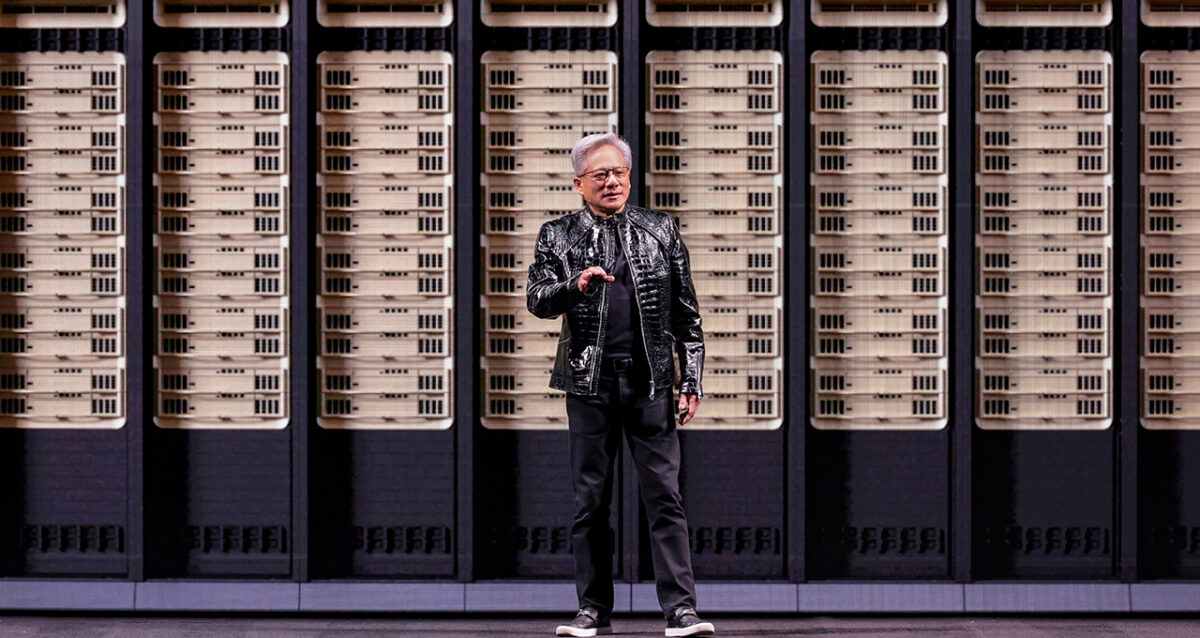
Finally, the dust has settled on CES 2026 AI announcements — and what a show it was. Three weeks out from Las Vegas, I’m still processing everything that happened. When Jensen Huang pulled out the Rubin platform on stage, the entire convention center went silent. When Boston Dynamics’ Atlas walked across the demo floor like a human, jaws dropped. This wasn’t incremental progress. This was the year AI stopped being just software and started becoming physical.
NVIDIA Rubin Platform: The CES 2026 AI Announcements Headliner
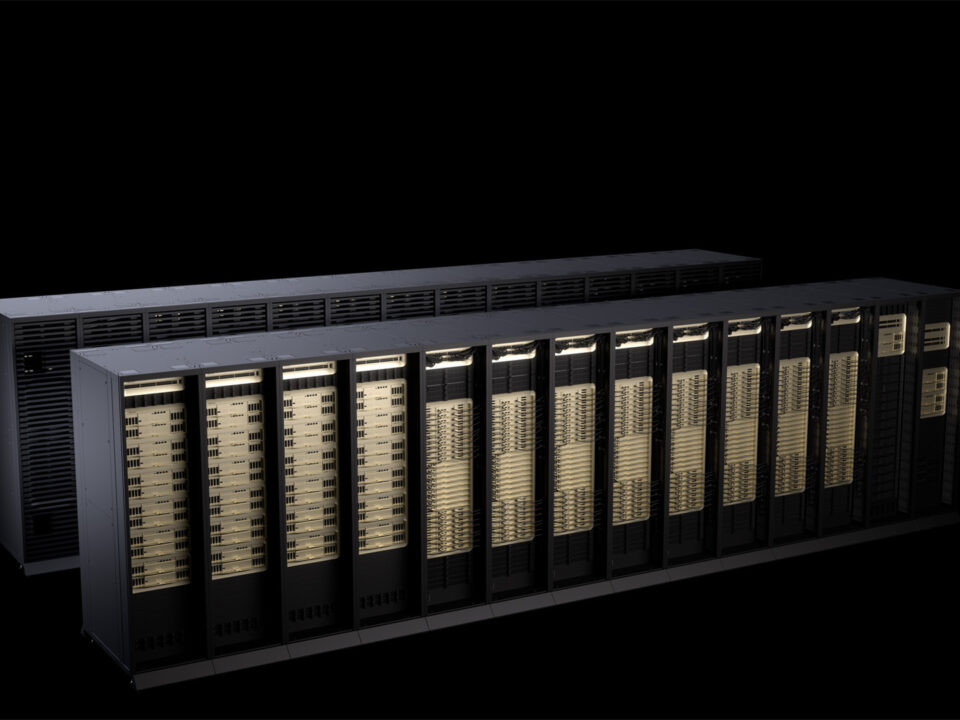
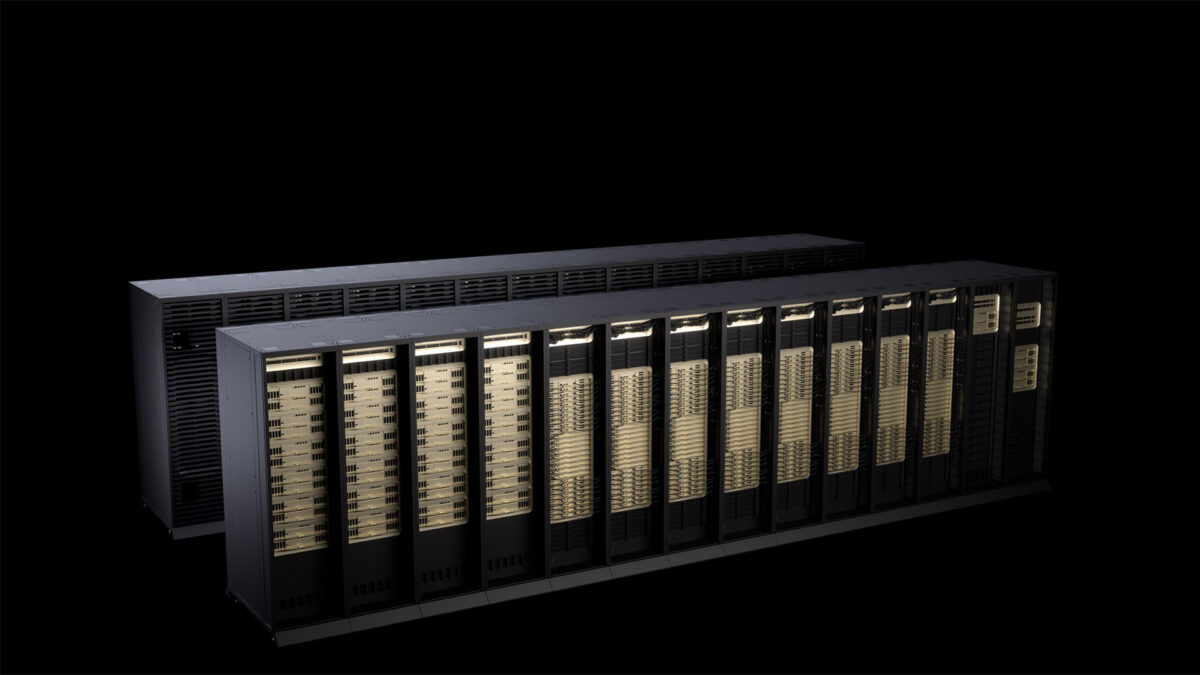
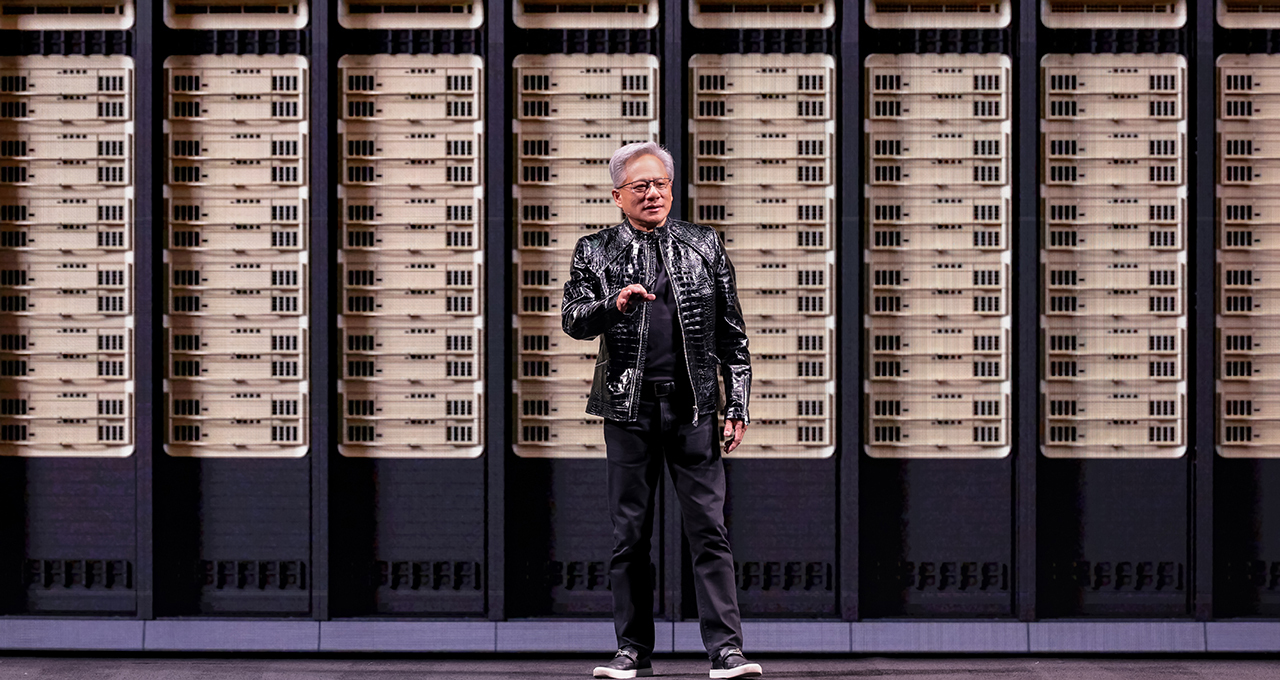
Jensen Huang’s CES keynote delivered exactly what the industry needed: a clear roadmap for what comes after Blackwell. The Rubin platform is a 6-chip AI architecture that promises a staggering 10x reduction in inference costs compared to its predecessor. That’s not just a performance bump — it’s a fundamental shift in the economics of running AI at scale.
But Rubin wasn’t the only thing NVIDIA brought to Vegas. The company also unveiled Alpamayo, an open reasoning model designed specifically for autonomous driving. Six open AI model families covering healthcare, climate science, robotics, and autonomous vehicles were announced alongside it. And gamers weren’t left out either — DLSS 4.5 with Dynamic Multi Frame Generation and a new 6X mode promises to push real-time rendering into genuinely new territory.
What made NVIDIA’s presentation stand out wasn’t any single product. It was the coherent vision: AI expanding from cloud to device, from software to the physical world. Every announcement reinforced that narrative, and it set the tone for the entire show.
Boston Dynamics Atlas Goes Production-Ready
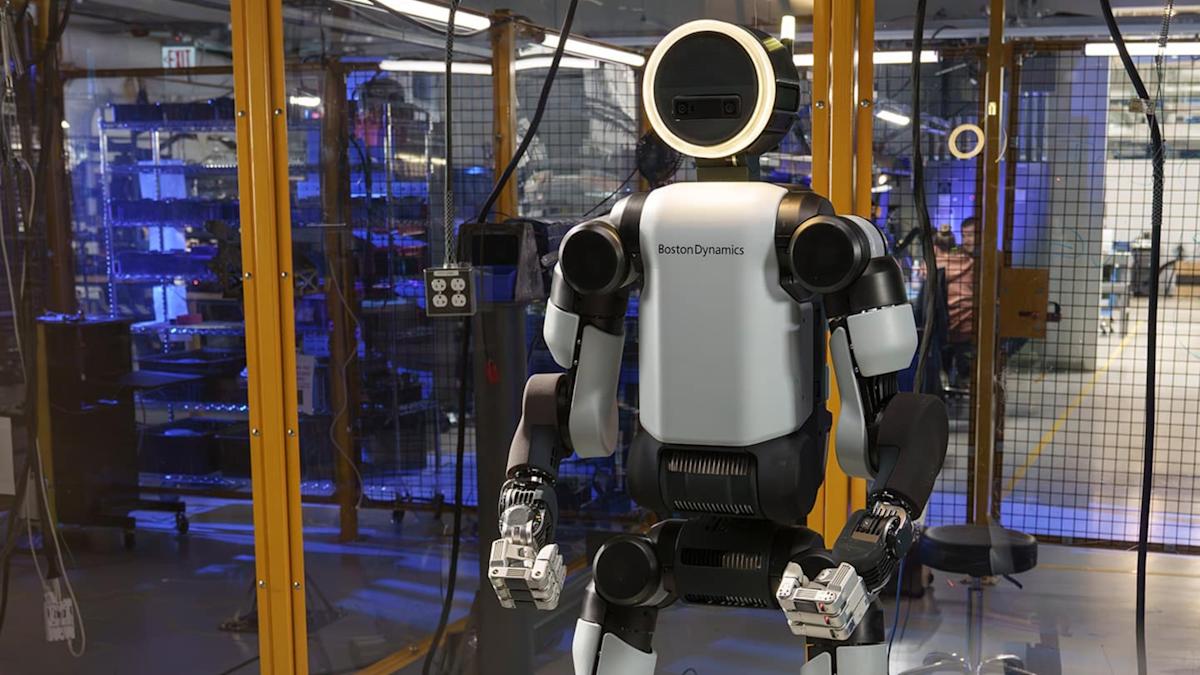
If NVIDIA owned the keynote stage, Boston Dynamics owned the show floor. The production-ready Atlas humanoid robot gave its first-ever public live demonstration at CES 2026, and it was genuinely stunning. Powered by a partnership with Google DeepMind, Atlas displayed a natural, human-like gait that earned it CNET’s Best Robot award — a recognition that felt entirely deserved to anyone who witnessed it in person.
Here’s what really caught my attention: every single Atlas unit scheduled for 2026 production has already been committed to Hyundai’s manufacturing facilities. This isn’t a research project anymore. This is a product shipping to real factories to do real work. It’s the clearest signal yet that “Physical AI” — this year’s dominant CES theme — isn’t just a buzzword. It’s happening now.
Last year at CES 2025, the conversation was all about agentic AI — software agents that could act autonomously on your behalf. This year, that concept evolved. The agents got bodies.
Intel Panther Lake and Lenovo QIRA: AI Moves to the Edge
While NVIDIA and Boston Dynamics grabbed headlines with massive platforms and walking robots, two other CES 2026 AI announcements quietly signaled something just as important: AI is moving onto your personal devices in a serious way.
Intel’s Panther Lake processor is the first chip built on the company’s new 18A manufacturing process, and its specs are remarkable. With 180 TOPS of NPU performance, it’s powerful enough to run large AI assistants locally on a laptop — no cloud connection required. For anyone concerned about privacy, latency, or simply being able to use AI on an airplane, this is a significant milestone.
Lenovo took the on-device AI story even further with QIRA, a cross-device AI agent that unifies the company’s entire software ecosystem — moto ai, Lenovo AI Now, Creator Zone, and Learning Zone — into a single context-aware assistant. Start a task on your phone, continue it on your laptop, finish it on your tablet. QIRA carries your context across devices seamlessly. Lenovo also announced a partnership with NVIDIA to build the world’s first AI Cloud Gigafactory, which is exactly as ambitious as it sounds.

What CES 2026 Tells Us About the Year Ahead
Step back from the individual announcements, and a clear pattern emerges from CES 2026. AI is leaving the cloud. It’s entering robots, cars, factories, and the devices in your pocket. NVIDIA’s Rubin provides the infrastructure. Boston Dynamics’ Atlas provides the embodiment. Intel’s Panther Lake provides the on-device foundation. Lenovo’s QIRA provides the user experience layer.
The shift from “agentic AI” to “physical AI” as the dominant narrative isn’t just semantic. It reflects a genuine technological inflection point where AI models are mature enough, efficient enough, and affordable enough to operate in the real world — not just answer questions in a chat window. On-device NPUs with 180 TOPS of performance mean you don’t need a data center to run meaningful AI workloads anymore.
If CES 2025 was the year AI learned to think, CES 2026 was the year AI learned to move. And based on everything we saw in Las Vegas, 2026 is shaping up to be the most consequential year for AI since the original ChatGPT launch. The products announced at CES aren’t concepts or roadmaps — many are shipping this year. The physical AI era has officially begun.
Get weekly AI, music, and tech trends delivered to your inbox.